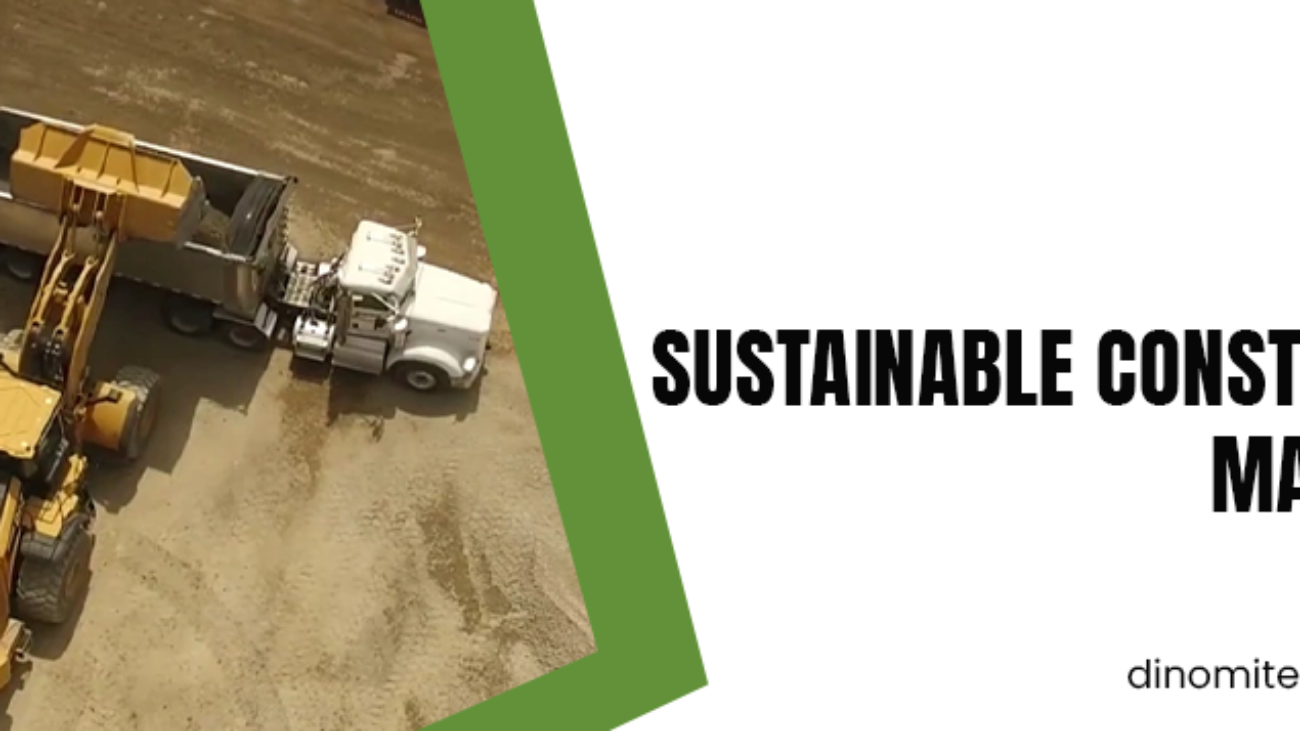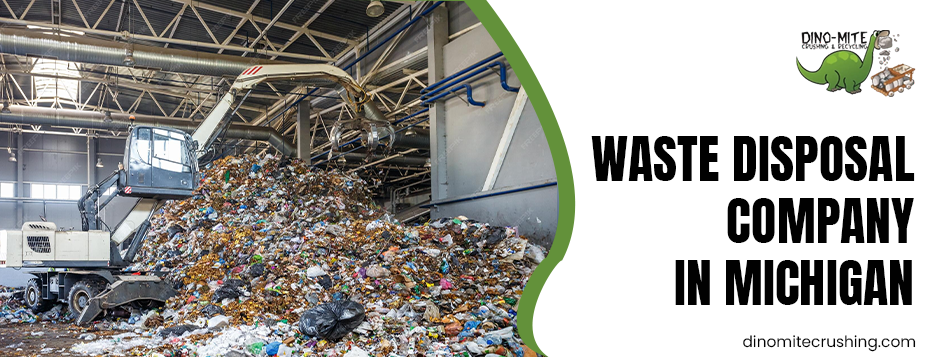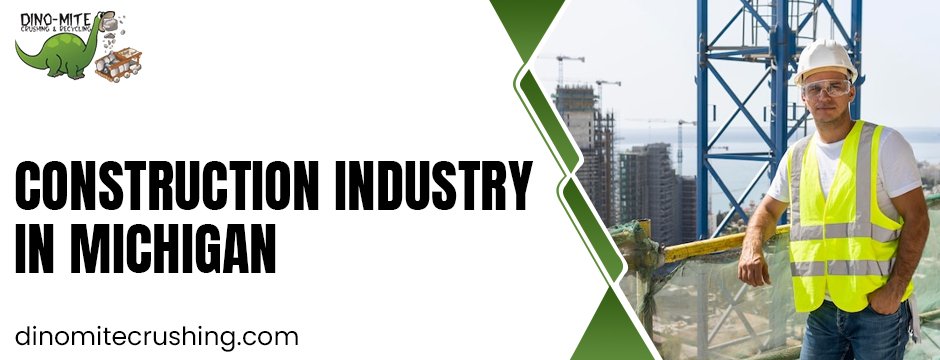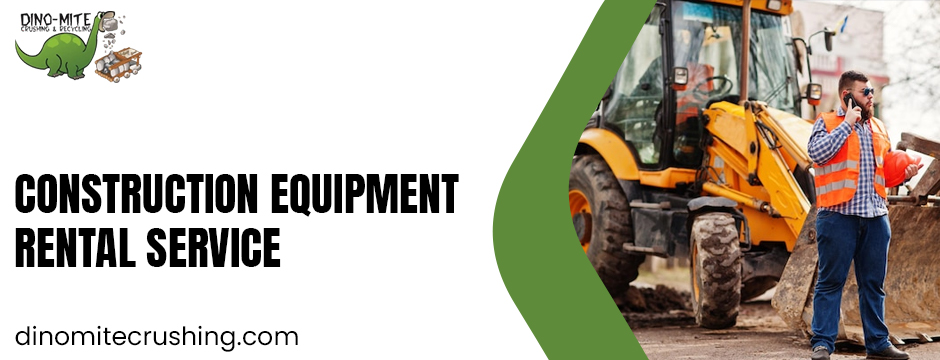
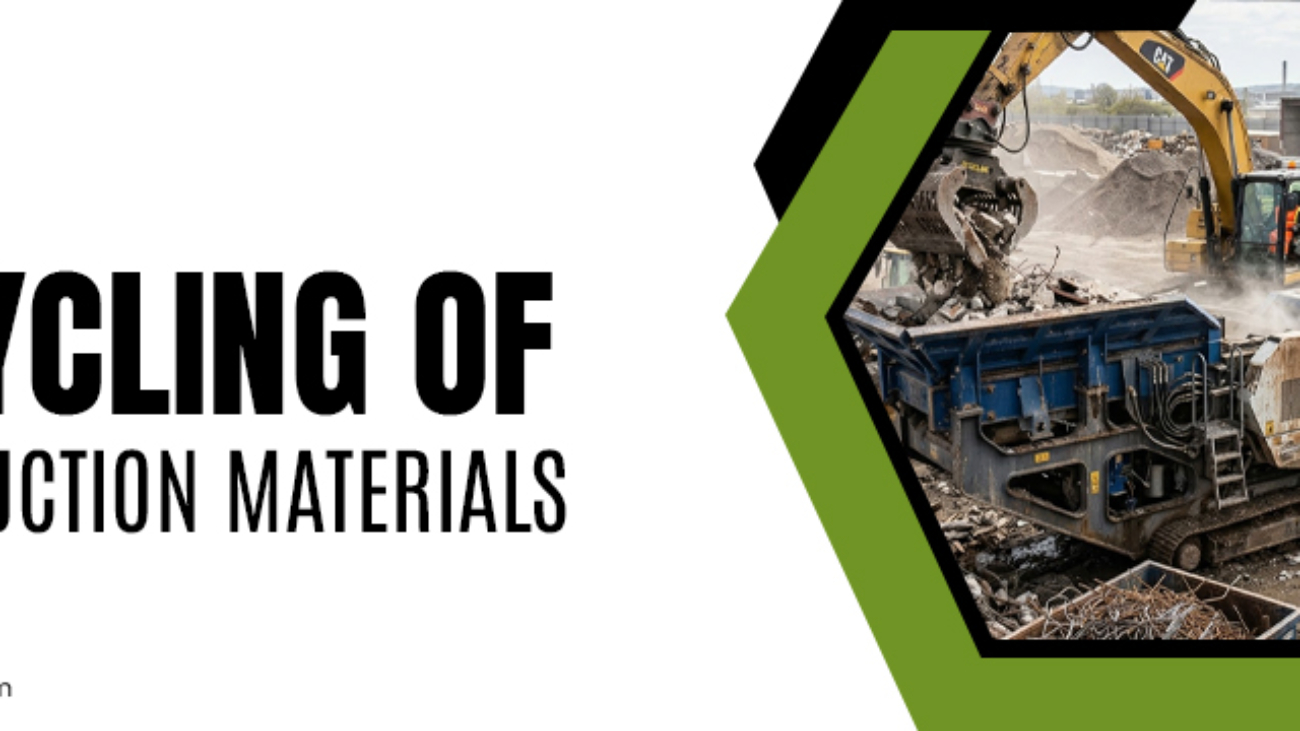
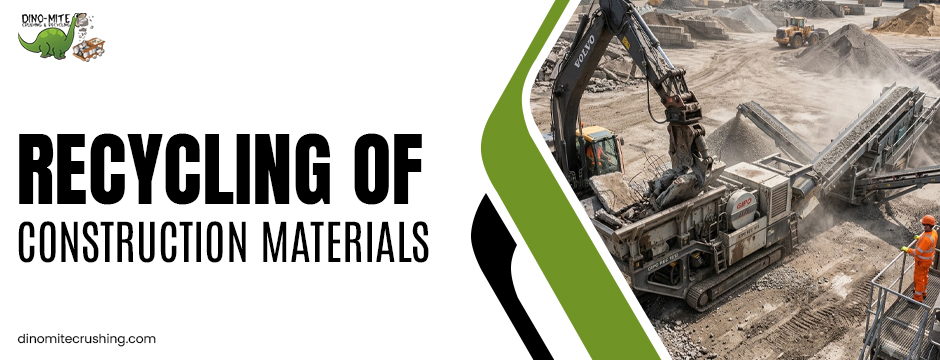
recycling of construction materials

The Ultimate Guide to Recycling of Construction Materials and Equipment Supply

Construction generates large volumes of concrete, asphalt, brick, soil, metal, and debris. Sending every load to a landfill is often unnecessary. Recycling of construction materials gives contractors a practical way to recover useful resources while improving jobsite efficiency.

Recycling is only one part of a well-planned operation. Contractors also need machinery to crush, move, screen, and stockpile recovered materials. This guide explains the recycling used construction materials process, recoverable materials, and equipment choices.
recycling of construction materials

What Is Recycling of Construction Materials?

Recycling materials from construction projects means collecting, processing, and reusing materials from construction, renovation, or demolition work. Instead of treating every load as waste, contractors identify materials with recovery value.

Concrete and asphalt are particularly useful. After suitable crushing and processing, they can become recycled aggregate for approved construction applications. Dirt, topsoil, brick, and metals may also be recovered, reused, or directed to appropriate recycling streams.

For successful recycling of construction materials, the process begins with sorting. Materials are transported or handled with mobile equipment. Crushing and screening follow when required. Good separation reduces contamination.

Benefits of Recycling of building materials for Contractors

A major benefit of recycling of construction materials is resource efficiency. Reuse can reduce dependence on newly extracted aggregates and disposal.

There can be financial advantages as well. Depending on quality, hauling distances, requirements, and specifications, recovered material may reduce disposal, transport, and virgin-material costs.

Furthermore, responsible recycling supports sustainability goals. However, environmental claims should be based on measurable actions.

Which Construction Materials Can Be Recovered?

Concrete and Asphalt

Concrete can be crushed into aggregate-sized material for suitable uses. Asphalt may also be processed for reuse when project specifications allow it. Processing depends on material condition and the intended application.

Dirt, Topsoil, and Brick

Clean excavated soil and topsoil may be useful for grading, fill, or landscaping. Brick can sometimes be reused directly or processed for approved aggregate applications.

Metals and Mixed Debris

Metals can be separated for recovery. Mixed construction debris needs careful sorting because wood, plastics, soil, or other contaminants can affect recycling options.

How Does the Recycling of Construction Materials Process Work?

A disciplined workflow makes material recovery more effective:

  1. Assess the material: Identify its type, condition, quantity, and possible contaminants.
  2. Sort at the source: Keep concrete, asphalt, soil, metals, and other streams separate where practical.
  3. Crush and process: Reduce suitable materials to the required size with appropriate machinery.
  4. Screen the output: Separate particles by size when the end use requires consistency.
  5. Store correctly: Protect stockpiles from unnecessary mixing and contamination.
  6. Reuse or transfer: Move processed material into an approved project use, recycling stream, or disposal route.

This sequence supports recycling of construction materials through clearer tracking.

Essential Equipment for Material Recovery

Efficient recycling depends on matching machinery to the work. Crushers process concrete and asphalt. Excavators can feed material, remove unsuitable items, and support excavation. Loaders move processed material and form stockpiles. Screening equipment can separate output into different sizes.

Mobile crushing can help when material is generated onsite. Processing closer to the source may reduce hauling, but access, dust, noise, permits, and local requirements must be assessed.

How Construction Equipment Rental Fits the Plan

For many contractors, buying every machine is impractical. Construction equipment rental provides specialized machinery without ownership costs.

Before choosing construction equipment rental, assess material type, production target, work area, project duration, and operator requirements. Ask about maintenance records. Confirm delivery and pickup before work starts.

Oversized equipment can increase operating costs and create access challenges. Properly matched machinery can improve productivity while keeping the work area manageable.

Safety and Environmental Compliance

Recycling operations involve heavy machinery, moving vehicles, dust, noise, and changing site conditions. Safe work requires trained operators, equipment inspections, suitable protective equipment, and clear traffic controls.

Environmental compliance is equally important. Requirements vary by material, location, and activity, so contractors should understand rules for storage, transport, emissions, stormwater, and disposal.

Potentially hazardous materials should never be mixed casually with ordinary construction debris. E-waste, for example, requires an appropriate handling route.

Documentation matters. Recording material types, quantities, and destinations supports responsible waste management.

Why Equipment Supply Can Affect Project Efficiency

Equipment availability can influence the workflow. A delayed crusher or loader can leave debris onsite and disrupt other trades. Reliable supply helps coordinate processing with production schedules.

Construction equipment rental is useful for temporary requirements. A demolition contractor may need a crusher for one phase without owning it afterward.

When arranging equipment, clarify specifications, rental duration, delivery timing, maintenance, and pickup procedures. These details reduce confusion.

Practical Tips for Recycling of Construction Materials

Plan before demolition or excavation. Identify recoverable materials and decide where each stream should go.

Keep recyclable materials clean. Mixing soil with concrete can complicate processing and reduce recovered value.

Measure quantities throughout the project. Tracking material helps reveal bottlenecks and creates useful records.

Finally, construction equipment rental should be included in the full cost calculation. Include hauling, labor, disposal, storage, fuel, processing, and material purchases.

Build Smarter with a Trusted Construction Partner

Dino-Mite Crushing delivers dependable solutions for modern construction projects, from recycling concrete, asphalt, dirt, and topsoil to precise mobile, on-site crushing. Its convenient dumping site accepts construction debris, brick, and other materials, while transportation and pickup options simplify logistics. Contractors can also access essential equipment, including sweeping units and water trucks, through flexible rental options. With comprehensive construction material recycling, crushing, disposal, and equipment solutions under one roof, Dino-Mite Crushing helps projects stay efficient, practical, and better prepared.
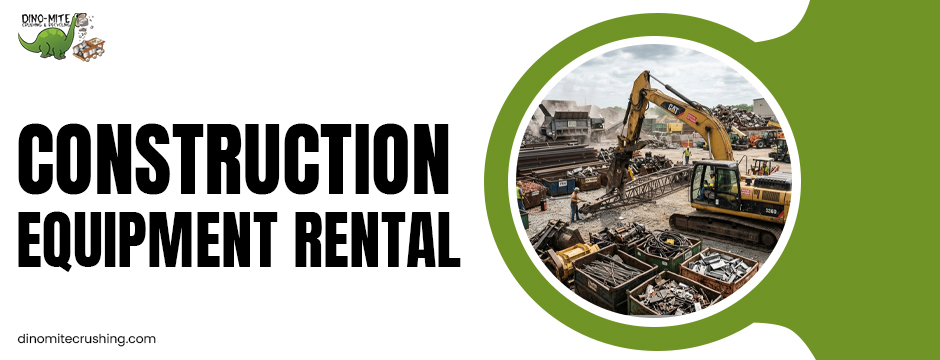
construction equipment rental

Building a Smarter Recycling of Construction Materials Strategy

Effective recycling of construction materials works best when it is part of project planning rather than an afterthought. Material assessment, source separation, appropriate crushing, equipment selection, and responsible storage all influence the final result.

For contractors, recycling construction waste materials can support environmental goals and jobsite management. Planning early also makes material routing easier.

In conclusion, recycling of construction materials is more than keeping debris away from landfills. It is a coordinated process for recovering useful resources, improving material efficiency, and supporting responsible construction. With suitable equipment and dependable logistics, it can become a valuable part of a well-managed project.

If you need practical help with recycling, mobile crushing, dumping, transportation, or equipment needs, Dino-Mite Crushing can provide construction-focused solutions tailored to project requirements.
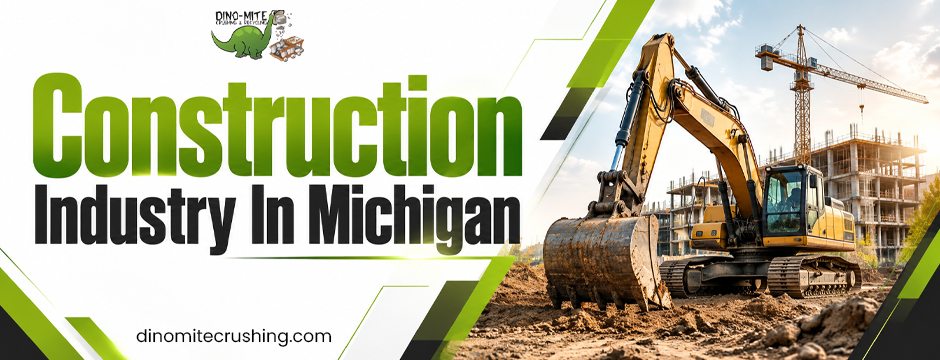
construction industry in michigan

Construction Industry in Michigan: Smart Ways to Improve Project Efficiency and Reduce Costs

Improving construction efficiency means completing work with less wasted time, material, equipment use, and unnecessary hauling. In the construction industry in Michigan, contractors can control project costs by planning material supply, recycling, transportation, equipment rental, crushing, and jobsite services together.

A well-organized project does not depend on speed alone. It depends on having the right resources available at the right stage. For example, recycling suitable concrete and asphalt can reduce disposal needs, while mobile crushing may limit the number of material-hauling trips.

construction industry in michigan

What Are the Best Ways to Reduce Construction Costs in Michigan?

The most practical cost-control measures include accurate material planning, recycling suitable construction waste, using on-site crushing when appropriate, coordinating transportation, renting equipment when ownership is unnecessary, and maintaining an organized jobsite.

These measures address common sources of avoidable expense. They also help contractors manage materials from delivery through disposal or reuse.

Construction Industry in Michigan: Key Areas for Better Project Efficiency

1. Plan Construction Materials Before Work Begins

Material planning should start before crews arrive at the site. Estimate quantities using current project measurements and specifications.

Common requirements can include:

  • Aggregates
  • Topsoil
  • Concrete
  • Asphalt
  • Construction fill
  • Other project-specific materials

Ordering too much material can create storage and handling issues. Ordering too little can interrupt work and require additional deliveries.

For concrete construction MI projects, accurate quantity estimates are particularly useful when concrete work is connected with demolition, site preparation, or material recovery.

2. Consider Mobile On-Site Crushing

Demolition can leave a construction industry in Michigan project with substantial amounts of concrete and asphalt. Sending all of these materials away and purchasing replacement aggregate can increase transportation and disposal costs.

Mobile crushing provides an alternative for suitable materials. A crushing unit can process recovered material at or near the project site according to required specifications.

The main benefit is fewer material-handling stages. Depending on the project, this may reduce hauling requirements and make recovered materials more useful.

3. Make Recycling Part of the Project Plan

Construction recycling works best when it is planned before demolition or excavation begins.

Concrete, asphalt, dirt, and topsoil can potentially be recovered or processed rather than immediately treated as waste. Material condition and project specifications should determine whether reuse or recycling is appropriate.

For concrete construction MI, separating recyclable material from general construction debris can make material management more efficient.

A simple process is:

  1. Identify recoverable materials.
  2. Separate different material types.
  3. Determine whether materials can be reused or recycled.
  4. Arrange processing, pickup, or transportation.
  5. Dispose of materials that cannot be recovered.

This approach creates a clearer material stream and can reduce unnecessary disposal.

Coordinate Transportation With the Construction Schedule

Transportation affects both cost and productivity. A truck arriving too early may have to wait on site. A late delivery can leave workers and equipment idle.

Consequently, coordinate transportation with actual project activities.

Contractors should consider:

  • Pickup and delivery windows
  • Loading access
  • Material quantities
  • Travel requirements
  • Site readiness
  • Disposal or recycling destinations

Pickup services can also help when broken concrete, asphalt, dirt, brick, or construction debris needs to leave the property.

Rent Equipment When Ownership Is Not Practical

Construction equipment represents a significant investment. Purchasing machinery for occasional use may not make financial sense for every contractor or project.

Equipment rental in the construction industry in Michigan provides access to machinery without requiring long-term ownership. Available equipment may include excavators and loaders, depending on the provider.

Before renting, confirm the machine’s size, capacity, operating requirements, and expected hours of use. The right equipment should match the actual task rather than simply being the largest machine available.

Equipment Selection Matters

An excavator may be appropriate for excavation or material handling, while a loader can support aggregate movement and loading operations.

Matching machinery to the job can improve productivity and reduce unnecessary operating costs.

Keep the Jobsite Clean and Control Dust

Site conditions affect daily productivity and safety. Accumulated debris can interfere with vehicle movement and material handling.

Sweeping units can help keep active construction areas cleaner. They are particularly useful when projects generate loose material around access roads, loading areas, or work zones.

Water trucks provide another form of jobsite support. They can be used for dust-control activities and other water-related construction requirements.

For concrete construction MI, combining suitable cleanup and dust-control measures with planned material handling can help maintain more workable site conditions.

Use a Dedicated Dumping and Disposal Solution

Some construction materials cannot be reused on the same project. A designated dumping site can provide an organized destination for materials that require disposal or further processing.

Typical materials may include:

  • Broken concrete
  • Asphalt
  • Dirt
  • Brick
  • Construction debris

Before transporting materials, contractors should confirm what the facility accepts and whether any project-specific requirements apply.

Furthermore, separating reusable materials from disposal loads can make the waste stream easier to manage.

Construction Industry in Michigan: Build a More Efficient Workflow

Efficiency improves when individual services are connected to the project’s timeline.

For example, a demolition phase may generate concrete and asphalt. Those materials could then move into recycling or crushing. Earthwork may require aggregate, topsoil, transportation, and water support. Final site work may require sweeping.

This phase-based approach prevents every service from being treated as a separate task.

Create a Pre-Project Checklist

Before mobilization, review:

  • Material quantities and specifications
  • Recycling opportunities
  • On-site crushing requirements
  • Transportation and pickup needs
  • Equipment requirements
  • Dumping arrangements
  • Sweeping needs
  • Dust-control requirements

A checklist gives project managers a practical way to identify gaps before they become delays.

How Integrated Construction Services Can Lower Costs

The construction industry in Michigan can benefit when material supply, recycling, crushing, transportation, disposal, and equipment support are coordinated rather than handled independently.

An integrated approach can reduce unnecessary movement between project stages. It can also make scheduling easier because material and service requirements are identified earlier.

However, no single solution fits every site. Contractors should consider material condition, project specifications, access, equipment requirements, schedule, and applicable regulations before selecting a service.

Reliable Construction Solutions for the Construction Industry in Michigan

For projects across the construction industry in Michigan, Dino-Mite Crushing delivers practical support from material supply to jobsite cleanup. Our services include construction materials supply, recycling, mobile on-site crushing, dumping, transportation, equipment rentals, sweeping units, and water trucks. This integrated approach helps contractors manage materials, reduce unnecessary hauling, and keep projects moving efficiently. With dependable solutions tailored to real jobsite needs, Dino-Mite Crushing is a trusted resource for contractors seeking efficient, cost-conscious construction services throughout Michigan.

A Practical Approach to Construction Cost Control

Cost-effective construction starts with decisions made before work begins. Accurate material planning helps prevent shortages. Recycling can divert suitable materials from disposal. On-site crushing can reduce certain hauling requirements. Equipment rental can provide flexibility, while transportation, sweeping, and water-truck services support day-to-day operations.

In conclusion, the construction industry in Michigan can improve project efficiency by treating materials, equipment, transportation, recycling, and site management as connected parts of one workflow.

For contractors seeking these services, Dino-Mite Crushing provides construction material supply, recycling, mobile on-site crushing, dumping, transportation and pickup, equipment rentals, sweeping units, and water trucks. Reviewing these options against your project’s actual requirements can help create a practical support plan without adding unnecessary services.

concrete construction MI

Frequently Asked Questions

How can construction companies reduce project costs?

Companies can reduce costs by improving material estimates, recycling suitable materials, limiting unnecessary transportation, choosing appropriate equipment, and coordinating services with the project schedule.

What materials can construction sites recycle?

Depending on their condition and applicable requirements, common recyclable construction materials include concrete, asphalt, dirt, and topsoil. Brick and other debris may require separate handling.

When is on-site crushing useful?

On-site crushing can be useful when a project generates suitable quantities of concrete or asphalt that can be processed near the jobsite. The processed material must meet the project’s applicable specifications before reuse.

Why rent construction equipment?

Renting can provide access to excavators, loaders, and other machinery without the long-term costs associated with purchasing and maintaining equipment that may only be needed temporarily.

building materials manufacturers in michigan

Building Materials Manufacturers in Michigan Driving Sustainable Construction

Construction is changing quickly. Builders are under pressure to control costs, meet tighter environmental expectations, and deliver durable structures. At the same time, material waste remains a major concern across demolition and construction projects.

This is where building materials manufacturers in Michigan have an important role. By developing, processing, and supplying materials with better resource efficiency, manufacturers can help contractors build responsibly without sacrificing performance.

The shift is not simply about using recycled products. It involves smarter sourcing, efficient manufacturing, material recovery, and thoughtful project planning. Consequently, understanding how these practices work can help builders and developers make better purchasing decisions.

building materials manufacturers in michigan

What Makes Building Materials More Sustainable?

Sustainable construction materials are designed or produced with resource efficiency in mind. Their environmental benefits can come from recycled content, longer service life, lower manufacturing impacts, or improved potential for reuse.

For example, recycled aggregates can replace some newly extracted stone in suitable applications. Reclaimed materials can also reduce the amount of construction waste sent to disposal facilities.

However, sustainability should never be judged by one feature alone. A material must still meet the technical requirements of the project.

Important considerations include:

  • Durability and expected service life
  • Recycled or reclaimed content
  • Manufacturing processes
  • Transportation distance
  • Maintenance requirements
  • Potential for reuse or recycling
  • Compliance with applicable specifications

This broader approach helps contractors evaluate sustainable building materials Michigan projects can use without compromising structural or functional requirements.

How Michigan Manufacturers Support Greener Construction

Turning Recovered Materials Into Useful Products

Construction and demolition sites generate large quantities of concrete, asphalt, brick, and other materials. Instead of treating everything as waste, some materials can be processed and returned to productive use.

Crushing is particularly useful for concrete and asphalt. Properly processed material can become aggregate for selected construction applications. This reduces the demand for virgin resources and gives recovered material another purpose.

For contractors, this can also simplify material management. A project may generate waste while simultaneously requiring aggregate. Recovering suitable material creates an opportunity to connect those two needs.

Improving Material Efficiency

Modern manufacturing is not only about producing more materials. It is also about using resources carefully.

Manufacturers can improve efficiency through better processing equipment, quality control, optimized production methods, and responsible sourcing. These measures can reduce unnecessary material loss while maintaining consistent product specifications.

For buyers, consistency matters. Materials that meet predictable quality standards are easier to estimate, order, install, and manage on a busy job site.

Supporting Local Supply Chains

Michigan has a diverse construction market, ranging from residential developments to major commercial and infrastructure projects. Local and regional material suppliers can help shorten supply routes for suitable products.

Transportation is one part of a material’s overall environmental footprint. Shorter routes may reduce fuel consumption and delivery-related emissions, although the actual benefit depends on the material, distance, load, and transportation method.

Therefore, local sourcing should be evaluated alongside quality, availability, price, and project requirements.

Key Benefits for Contractors and Developers

Choosing materials from responsible manufacturers can provide several practical advantages.

Lower Material Waste

Efficient processing and material recovery can reduce the volume of usable resources that are discarded. This is especially relevant on projects involving demolition, renovation, or large-scale excavation.

Better Resource Management

Recovered aggregates and recycled inputs can reduce reliance on newly extracted materials where specifications permit their use. This supports more efficient use of natural resources.

Potential Cost Advantages

Material costs involve more than the purchase price. Hauling, disposal, storage, handling, and replacement expenses can all affect a project’s budget.

A well-planned recovery strategy may reduce some of these expenses. However, savings vary by project and should be calculated against actual transportation, processing, and material costs.

Stronger Sustainability Credentials

Developers increasingly need to demonstrate responsible construction practices to owners, communities, and other stakeholders. Using verified recycled or resource-efficient materials can support broader environmental goals.

Furthermore, documented sourcing and material records can make sustainability claims more credible.

What Should You Ask a Material Manufacturer?

Not every supplier offers the same capabilities. Before placing an order, contractors should ask specific questions.

Verify Material Specifications

Ask for product specifications, applicable standards, testing information, and recommended uses. A recycled product is only useful if it performs appropriately for the intended application.

Understand the Source

Find out where the material comes from. For recycled aggregates, this may include information about the original material, processing method, and quality-control procedures.

Check Availability

Construction schedules depend on reliable supply. Ask about production capacity, lead times, delivery options, and seasonal constraints.

Discuss Project Requirements

Give the manufacturer enough information about the application. The required aggregate size, material characteristics, volume, and intended use can influence what product is appropriate.

Specifically, contractors should avoid selecting a material based solely on its environmental label. Technical suitability comes first.

The Role of On-Site Material Processing

On-site crushing can complement sustainable material strategies, particularly when a project contains substantial amounts of reusable concrete or asphalt.

Instead of transporting material away for disposal and purchasing replacement aggregate from another location, contractors may be able to process suitable material near the point of generation.

This approach can reduce unnecessary hauling. It can also improve material handling and create a more direct path from demolition waste to a useful construction input.

The feasibility depends on factors such as material composition, available space, equipment access, required output, project volume, and applicable regulations.

How to Choose the Right Sustainable Materials

There is no universal material that works for every construction project. The right choice depends on the project’s engineering, environmental, financial, and logistical requirements.

A practical evaluation can follow these steps:

  1. Define the application. Identify exactly where and how the material will be used.
  2. Set performance requirements. Consider strength, durability, grading, moisture conditions, and applicable specifications.
  3. Compare material sources. Review virgin, recycled, and reclaimed alternatives.
  4. Calculate the full cost. Include delivery, handling, processing, disposal, and potential replacement expenses.
  5. Review environmental factors. Consider recycled content, transportation, resource use, and end-of-life options.
  6. Confirm documentation. Request specifications and quality information before purchase.
  7. Plan logistics early. Coordinate supply and delivery with the construction schedule.

This process helps turn sustainability from a broad goal into a practical procurement decision.

Where Sustainable Materials Can Make a Difference

The applications are extensive. Recycled aggregates may be suitable for certain road bases, site preparation activities, fill applications, and other approved uses. Recycled asphalt can also have value in road-related projects when processed and specified appropriately.

Commercial developments can benefit from responsible material planning during demolition and redevelopment. Residential projects may use recovered materials for selected site and landscaping applications.

Infrastructure work presents another major opportunity because of its high material demand. Even modest improvements in resource efficiency can become significant when applied across large projects.

For Michigan contractors exploring sustainable building materials Michigan options, the key is to match each recovered or recycled material with an application where its characteristics provide genuine value.

What Is the Future of Sustainable Construction in Michigan?

The future is likely to involve greater integration between manufacturing, recycling, demolition, and construction. Rather than treating these activities as separate stages, the industry can increasingly view materials as resources that remain valuable beyond their first use.

Technology will support this transition. Better crushing systems, material tracking, quality testing, and production controls can improve how recovered resources move back into construction.

At the same time, buyers will continue to demand transparency. Manufacturers that can explain where materials come from, how they are processed, and where they can be used will be better positioned to earn long-term trust.

Ultimately, building materials manufacturers in Michigan can help create a more circular construction model by connecting responsible production with practical material recovery.

A Reliable Partner for Sustainable Construction Materials

Dino-Mite Crushing supports Michigan contractors with recycled concrete, asphalt, dirt, topsoil, and other construction materials. Its mobile, on-site crushing services produce materials to project-specific specifications while reducing unnecessary hauling. The company also provides convenient dumping for construction debris, plus transportation and pickup options. 

With construction equipment rentals, including sweeping units and water trucks, Dino-Mite Crushing offers practical end-to-end support. For businesses evaluating building materials manufacturers in Michigan, its integrated recycling and material solutions provide a dependable, resource-conscious choice.

sustainable building materials michigan

Final Takeaway

Sustainable construction does not mean choosing environmentally friendly materials without considering performance. It means making informed decisions about sourcing, manufacturing, transportation, recovery, durability, and end use.

The strongest approach combines technical requirements with responsible resource management. Contractors and developers should compare suppliers carefully, verify specifications, understand material origins, and calculate the complete project impact.

For projects that involve concrete, asphalt, or other recoverable construction materials, on-site processing may also provide a practical way to reduce unnecessary disposal and transportation.

When evaluating building materials manufacturers in Michigan, look beyond price alone. Quality, consistency, supply reliability, documentation, processing capabilities, and environmental practices all deserve attention.

For Michigan projects seeking practical material recovery and recycling support, Dino-Mite Crushing offers on-site crushing solutions designed to help turn suitable construction waste into useful resources. It can be a valuable option for contractors looking to make material management more efficient and support responsible construction practices.

Frequently Asked Questions

1. What are the benefits of using recycled construction materials?

Recycled materials can reduce waste, conserve natural resources, and lower transportation or disposal requirements. They can also provide practical alternatives to virgin materials when they meet the project’s specifications.

2. What materials can be processed or recycled?

Common materials include concrete, asphalt, dirt, topsoil, brick, and construction debris. Mobile crushing equipment can process suitable materials on-site according to required project specifications.

3. How much do recycled construction materials cost?

Pricing depends on material type, quantity, processing requirements, transportation, and project location. Requesting a project-specific quote is the best way to understand the total cost before work begins.

4. How can I verify a construction material supplier’s reliability?

Check material specifications, processing capabilities, service experience, equipment, transportation options, and compliance practices. Clear documentation and transparent communication are also important indicators of a trustworthy supplier.

5. What makes Michigan’s sustainable material providers different?

Some providers combine material recycling, mobile on-site crushing, dumping, transportation, and equipment rentals. This integrated approach can simplify project logistics compared with using separate providers for each requirement.

construction industry in michigan

Construction Industry in Michigan: Top Services for Builders

Michigan construction projects rarely fail because of one dramatic mistake. More often, trouble starts with small gaps in planning: a delayed aggregate delivery, poorly managed debris, or equipment arriving too late. Understanding the services supporting the construction industry in Michigan helps builders control costs, protect schedules, and make better material decisions.

From material supply and mobile crushing to transportation, recycling, dumping, and equipment rental, contractors have several ways to improve efficiency. The key is knowing which service fits the job and when to use it.

What Builders Need From the Construction Industry in Michigan

A construction site depends on more than labor and machinery. Materials must arrive in the right quantity. Waste must leave safely. Reusable resources should be processed properly. Heavy equipment needs dependable transportation.

These tasks are closely connected. For example, a demolition project may generate concrete and asphalt that can be crushed on-site. The resulting aggregate may then be reused for grading or another suitable application. This can reduce hauling requirements and keep usable material in circulation.

However, every project has different site conditions, quantities, specifications, and local requirements. Builders should evaluate services according to the actual scope of work rather than choosing an option based only on price.

Top Services Supporting Michigan Builders

1. Construction Material Supply

Reliable material supply is one of the foundations of a well-managed project. Builders may need concrete, cement, aggregates, sand, gravel, soil, topsoil, and other materials at different stages.

A dependable supplier should provide clear specifications and predictable delivery. That matters when crews are scheduled around a concrete pour, grading operation, or site preparation task.

Before ordering, confirm the material type, quantity, size, delivery location, and intended use. For aggregate, verify that the material suits the application. A low price has little value if the product fails to meet project requirements.

2. On-Site Crushing

On-site crushing is useful when a project produces large amounts of concrete, asphalt, brick, stone, or similar material.

Portable crushing equipment can be brought directly to the jobsite. Instead of hauling every load to an off-site facility, suitable material can be processed where it is generated. This can reduce truck trips and simplify site logistics.

For concrete construction MI, on-site crushing may also support material reuse when processed aggregate meets required specifications. Contractors should confirm engineering requirements before incorporating recycled material into a particular application.

3. Recycling Services

Construction and demolition generate significant quantities of recoverable material. Recycling services help separate this waste from material that genuinely requires disposal.

Concrete and asphalt are particularly suitable for recycling when they can be processed into usable aggregate. Metals may also be recovered, while other materials require different handling methods.

The benefit is not simply environmental. Recycling can improve material management and reduce dependence on virgin resources. Furthermore, documented recycling can help project teams understand where waste goes and how much material is diverted.

4. Dumping Site Services

Not everything from a construction site can be reused. Some debris must be transported to an appropriate disposal location.

A dedicated dumping site can simplify this part of the workflow. Builders can bring accepted construction and demolition materials to a centralized facility instead of arranging multiple disposal destinations.

Before making a trip, ask what materials are accepted, whether loads require separation, what documentation is needed, and how charges are calculated. These details help prevent rejected loads and unexpected costs.

5. Transportation and Hauling

Material movement is a major part of construction logistics. Trucks may be needed to deliver aggregates, sand, gravel, recycled materials, water, equipment, or machinery.

Good transportation planning starts before the truck arrives. Consider access roads, delivery windows, turning space, site conditions, load requirements, and unloading procedures.

Consequently, a transportation provider should understand construction logistics rather than simply moving cargo between addresses. Coordinated scheduling can keep crews productive and reduce idle time.

6. Equipment Rental

Buying every machine required for a short-term project is rarely practical. Equipment rental gives contractors access to specialized tools without committing capital to long-term ownership.

Depending on the project, rental needs may include water trucks, sweeping equipment, crushers, and other construction machinery. The right equipment can improve site preparation, dust control, cleanup, and material processing.

Before renting, check the machine’s capacity, operating requirements, availability, delivery arrangements, and expected working conditions. Operators should also understand applicable safety procedures.

How to Select the Right Service

The best service depends on the project’s material flow and schedule.

Start by identifying what enters the site, what is generated during construction, and what leaves the site. Then map each material to its intended destination. This simple exercise can reveal opportunities for recycling, on-site processing, or consolidated hauling.

For example, a demolition contractor may have concrete available in large quantities. Crushing it near the project could make more sense than repeatedly transporting it elsewhere. A new-build contractor, meanwhile, may place greater emphasis on scheduled aggregate deliveries and equipment availability.

For concrete construction MI, specifications should remain the priority. Recycled aggregate can be valuable, but its suitability depends on the application, required performance, and project specifications.

Practical Ways to Improve Construction Logistics

Plan Material Quantities Early

Accurate quantity estimates reduce emergency deliveries and excess material. Keep records as the project develops because site conditions can change.

Separate Recyclable Materials

Mixed debris is harder to process efficiently. Where practical, separate concrete, asphalt, metals, and other recoverable materials at the source.

Coordinate Trucks With Site Activity

A truck that arrives too early can wait. One that arrives too late can hold up a crew. Delivery windows should match actual site readiness.

Review Disposal Requirements

Do not assume every facility accepts every type of debris. Confirm requirements before loading trucks.

Track Costs by Material Stream

Separate spending for new materials, transportation, recycling, disposal, and equipment. This makes it easier to identify where savings may be possible.

Sustainability Is a Practical Construction Advantage

Sustainable construction is not limited to environmentally friendly products. It also involves reducing unnecessary hauling, recovering usable materials, and making efficient use of existing resources.

Crushing and recycling can turn selected construction debris into useful aggregate. Fewer transport movements can also reduce fuel use associated with moving material. These measures should be evaluated against technical specifications and project economics.

The construction industry in Michigan is supported by an interconnected network of suppliers, recyclers, haulers, disposal facilities, and equipment providers. Builders who coordinate these services carefully can create a cleaner and more predictable workflow.

Questions Builders Should Ask

What materials do you handle?
Confirm accepted materials and product specifications before committing to a supplier or recycling service.

Can services be customized?
Ask whether quantities, delivery schedules, crushing requirements, or waste plans can be adjusted to the project.

How are transportation costs calculated?
Clarify whether pricing depends on distance, load size, frequency, equipment, or other factors.

What happens to recyclable material?
A clear answer helps contractors evaluate environmental performance and material recovery.

Are operations compliant with applicable requirements?
Ask about relevant safety, environmental, and disposal procedures.

What This Means for Builders

The modern construction industry in Michigan requires more than skilled crews and quality materials. Efficient projects depend on coordinated material supply, processing, transportation, recycling, disposal, and equipment access.

The right combination can reduce avoidable delays and improve control over project resources. However, services should always be selected according to specifications, site conditions, safety requirements, and budget.

Your Trusted Partner for Concrete Construction MI

Dino-Mite Crushing is a dependable partner for contractors seeking quality materials and practical construction solutions. From recycled concrete and aggregates to mobile on-site crushing, dumping, transportation, and equipment rentals, our services support projects from preparation through completion. 

With a strong focus on reliability, sustainability, and responsive service, we help builders manage materials efficiently and reduce unnecessary waste. For concrete construction MI, choose a team committed to delivering flexible solutions that align with your project’s requirements and schedule.

Final Thoughts 

In conclusion, builders can gain a practical advantage by treating construction support services as part of project planning rather than as last-minute solutions. With careful coordination, waste can become a resource, transportation can become more predictable, and equipment can be matched to actual needs.

For builders seeking one partner for construction materials, recycling, on-site crushing, dumping, transportation, and equipment rental, Dino-Mite Crushing offers a practical way to coordinate these needs and keep projects moving efficiently.

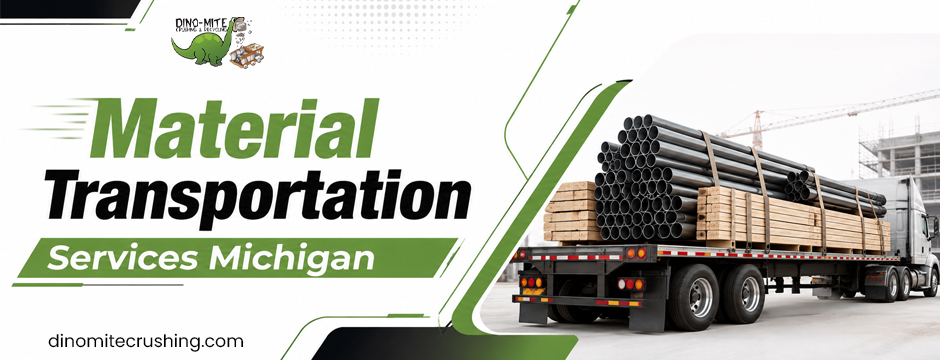
material transportation services michigan

Your Complete Business Guide On Material Transportation Services Michigan

The success of building ventures relies on factors beyond just expert labor and high-grade resources. They also need a reliable way to move aggregates, equipment, machinery, and waste between locations. A delay in transportation can affect several stages of a project at once. That is why Material transportation services Michigan are an important part of construction planning.

From sand and gravel to recycled aggregates and heavy machinery, each load requires the right vehicle, route, and handling method. Furthermore, transportation needs can change as a project moves from excavation to construction and cleanup. Understanding these services can help contractors plan better, control costs, and avoid unnecessary delays.

material transportation services michigan

What Are Material Transportation Services?

Material transportation covers the movement of construction-related materials and equipment from one location to another. This may include transporting aggregates from a crushing facility to a jobsite, moving machinery between projects, or removing construction debris.

The process is not simply about loading a truck and driving to the destination. Load type, quantity, distance, road conditions, equipment requirements, and delivery schedules all need consideration.

For example, loose aggregate may require a suitable dump truck, while heavy machinery may need specialized transportation equipment. Consequently, choosing the right transport method is essential for safe and efficient project operations.

Material Transportation Services Michigan for Construction Projects

Material transportation services Michigan can support residential, commercial, roadwork, demolition, and other construction activities.

Aggregate and Material Delivery

Aggregates are widely used for foundations, road bases, drainage systems, concrete production, and landscaping. Common materials include sand, gravel, crushed stone, and recycled aggregates.

Reliable delivery helps contractors maintain a steady supply at the jobsite. Instead of storing excessive quantities, materials can be scheduled according to project requirements. This can improve site organization and reduce unnecessary handling.
Equipment and Machinery Transportation

Construction equipment often needs to move from one project to another. Excavators, crushers, loaders, and other machinery can be difficult to relocate without appropriate transportation resources.

A professional transportation provider assesses the size and weight of the equipment before determining the suitable vehicle. Access conditions also matter. Narrow roads, low clearances, weight restrictions, and difficult entrances can influence the transportation plan.

Why Timely Delivery Matters

Construction schedules are closely connected. If a required material does not arrive on time, crews may have to wait. That can affect labor costs, equipment use, and subsequent activities.

This is why Material transportation services Michigan should be evaluated based on reliability as well as price. A dependable provider should understand delivery windows and communicate clearly when circumstances change.

For larger projects, scheduled deliveries can help maintain workflow. Just-in-time transportation may also reduce the need for excessive material storage at the site.

How Transportation Planning Works

Good transportation begins before the truck reaches the jobsite.

Assessing the Load

The first step is identifying what needs to be transported. The material type, volume, weight, and dimensions determine the appropriate transportation method.

Heavy or oversized equipment may require different handling than loose aggregates. Accurate information also helps prevent problems caused by an unsuitable vehicle.

Planning the Route

Choosing the most direct path does not guarantee the most efficient travel. Transportation planners may need to consider bridge clearances, road restrictions, traffic patterns, construction zones, and access to the destination.

For larger loads, these details become particularly important. A route that works for a passenger vehicle may not be practical for a heavily loaded construction truck.

Coordinating Delivery

Communication between the contractor and transportation provider is equally important. Delivery times should match site readiness, available unloading space, and the project’s working schedule.

Furthermore, changes should be communicated quickly. A well-coordinated delivery reduces confusion and keeps material movement predictable.

The Role of On-Site Crushing

Not every construction project needs to transport waste away from the site. Concrete, asphalt, bricks, and stones can sometimes be processed where they are generated.

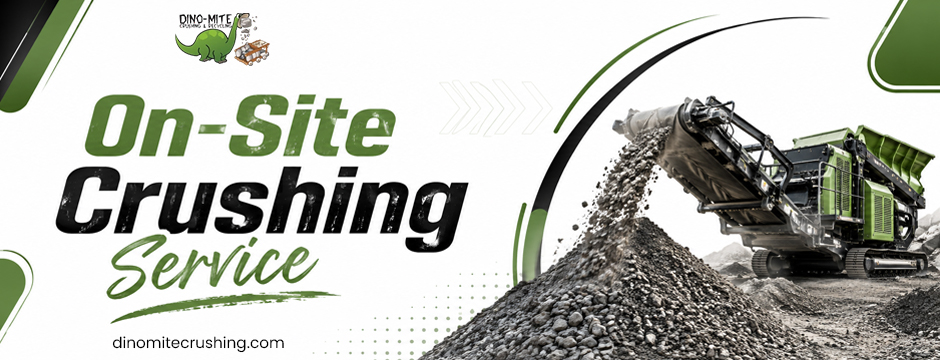
An on-site crushing service brings portable crushing equipment directly to the project. Materials can then be processed into reusable aggregate instead of being transported to an off-site facility.

This approach can reduce hauling requirements and may lower disposal and material purchasing costs. It can also support recycling goals by giving suitable construction waste another useful purpose.

Cost Factors to Consider

The cost of transportation depends on several factors. Distance is one consideration, but it is not the only one.

Load size, material type, vehicle requirements, delivery frequency, access conditions, and special handling can all influence the final cost. Heavy or specialized loads may require additional planning.

Therefore, contractors should request clear pricing before transportation begins. A transparent quote makes it easier to prepare an accurate project budget.

It is also useful to compare the cost of transportation with alternative options. In some situations, processing material at the project location through an on-site crushing service may reduce hauling and disposal expenses.

Safety During Material Transportation

Construction transportation involves moving heavy loads around workers, equipment, public roads, and active job sites. Safety should therefore remain a central consideration.

Loads need to be properly contained or secured according to their type. Vehicles should also be suitable for the weight and dimensions being carried.

Drivers and operators must remain aware of changing site conditions. Clear communication with site personnel can help prevent conflicts during loading and unloading.

For specialized equipment, proper loading procedures are particularly important. Incorrect positioning or inadequate securement can create serious risks during transit.

Environmental Benefits of Better Transportation

Transportation planning can also support environmental goals. Efficient routing may reduce unnecessary fuel consumption and travel time.

Recycling construction materials can provide another environmental advantage. Instead of sending suitable concrete or asphalt directly to disposal facilities, an on-site crushing service can process these materials for potential reuse.

Recycled aggregates may be suitable for certain applications depending on project specifications and applicable requirements. This can reduce reliance on newly sourced materials while making productive use of construction waste.

Choosing the Right Transportation Provider

When comparing Material transportation services Michigan, look beyond the basic delivery price.

First, check whether the provider has vehicles suitable for your materials or equipment. Next, consider experience with construction projects and specialized loads.

Ask about delivery scheduling, safety practices, insurance, and communication procedures. For larger projects, the provider should be able to coordinate multiple deliveries without creating unnecessary disruption.

It is also worth considering whether the company offers related services. A provider that can support material transportation, waste removal, crushing, or equipment movement may simplify project logistics.

Common Mistakes to Avoid

One common mistake is providing inaccurate information about the load. Incorrect dimensions or quantities can result in unsuitable equipment and scheduling problems.

Another mistake is waiting until the last minute to arrange transportation. Construction schedules can change quickly, but planning gives providers more opportunity to organize the right resources.

Finally, do not select a provider based only on the lowest quote. Reliability, safety, equipment suitability, and communication can have a much greater effect on the actual project cost.

Keep Your Construction Logistics Moving

At Dino-Mite Crushing, we help construction teams manage material transportation with dependable, practical solutions. We transport aggregates, construction materials, equipment, machinery, and project waste while focusing on safe handling and timely delivery. Our services can also support recycling needs through on-site crushing, helping reduce unnecessary hauling and disposal. 

We understand that every project has different logistics requirements, so we work around your schedule, load, and site conditions. Choose us for efficient transportation and crushing support.

On-Site Crushing service

Conclusion

Effective construction logistics depend on keeping materials, machinery, and waste moving at the right time. Material transportation services Michigan can help contractors coordinate these activities while supporting safer and more organized jobsites.

Before choosing a provider, assess your load, delivery schedule, route requirements, equipment needs, and budget. Also consider whether recycling or on-site processing could reduce unnecessary hauling.

For construction companies seeking dependable transportation, material handling, recycling, and crushing support, Dino-Mite Crushing offers solutions designed around practical project requirements. Contact us to discuss your material transportation needs and find a suitable approach for your next construction project.
FAQs

1. What do material transportation services include?
They can include transporting aggregates such as sand, gravel, crushed stone, and recycled materials. Services may also cover construction equipment, machinery, and project-related waste. The right transportation method depends on the load’s size, weight, type, and destination.

2. How can timely material delivery benefit my project?
Timely deliveries help prevent work stoppages and keep construction activities moving according to schedule. Proper delivery coordination can also reduce unnecessary onsite storage and improve overall project organization.

3. What factors affect transportation costs?
Distance, load size, material type, vehicle requirements, delivery frequency, site access, and special handling can all affect transportation costs. Requesting a transparent quote helps with accurate budgeting.

4. Can construction waste be processed at the jobsite?
Yes. Suitable materials such as concrete, asphalt, bricks, and stones can potentially be processed using an on-site crushing service, reducing hauling and disposal requirements.

5. How should I choose a transportation provider?
Consider equipment suitability, construction experience, scheduling reliability, safety practices, insurance, communication, and pricing. A provider offering related services can also simplify project logistics.

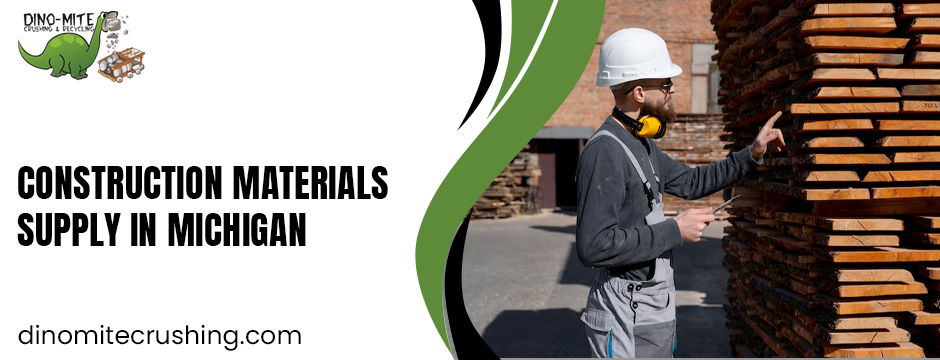
Construction Materials Supply in michigan

How to Choose the Right Construction Materials for Your Michigan Project?

Every successful construction project begins with the right materials. Whether you are working on a residential build, commercial development, road project, or site improvement, the materials you select can influence the strength, efficiency, and overall progress of the work.

Choosing construction materials supply in Michigan is not simply about finding products at a competitive price. You also need to consider material quality, quantity, delivery requirements, project specifications, and sustainability. When these factors are handled properly, your team can plan with greater confidence and avoid unnecessary delays.

Furthermore, a reliable material supplier can support your project beyond basic product availability. From aggregates and concrete to recycled materials and specialized construction products, having access to the right resources can make the procurement process more convenient.

This guide explains what to consider when sourcing construction materials in Michigan and how related services can support different project requirements.
Construction Materials Supply in michigan

What Should You Look for in a Construction Material Supplier?

Not every construction project requires the same materials. Therefore, the first step is finding a supplier that can accommodate your specific needs.

A Wide Selection of Materials

A broad product range gives you more flexibility when planning your project. Depending on the work involved, you may need aggregates, concrete, cement, asphalt millings, concrete sand, or other construction products.

Some projects may also require materials such as topsoil, recycled aggregates, concrete pipes, or concrete structures. Having access to multiple material options from one source can simplify purchasing and coordination.

For example, the available material list includes 21AA crushed concrete, 1” x 3” crushed concrete, 21AA asphalt millings, concrete sand, and cold patch. Concrete pipe and concrete structures are also available for specific requirements.
Consequently, reviewing the available product range before ordering can help you determine whether a supplier is suitable for your project.

Construction Materials Supply in Michigan: Key Factors to Consider

When arranging construction materials supply in Michigan, it is important to look beyond the material itself. The purchasing process should also match your project’s schedule and specifications.

Material Quality

Construction materials must be appropriate for their intended use. Quality is especially important when materials contribute to the structure or performance of a project.

A dependable supplier should provide clear information about the materials available. This helps contractors and project managers make decisions based on their specific requirements.
Quantity Requirements

Ordering too little material can interrupt work. On the other hand, ordering more than necessary can create avoidable costs and storage challenges.

Before placing an order, determine how much material your project requires. A material calculator can also help estimate the total yards needed based on dimensions such as length, width, and depth.

Delivery Location

The delivery location is another important consideration. Material needs can vary between residential, commercial, and larger construction projects.

When requesting a quote, provide the delivery location along with the material and quantity needed. This gives the supplier useful information for understanding your requirements.

Why Recycled Construction Materials Can Be Valuable?

Sustainability is becoming an important consideration in construction. Recycled materials can provide another option for projects that need suitable construction resources while supporting responsible material use.

Recycling services may process materials such as concrete, asphalt, dirt, topsoil, brick, block, stone, and construction debris. These materials can be handled as part of recycling and crushing operations, depending on the specific service requirements.

Recycled Aggregates for Construction

Concrete and asphalt can be processed into recycled aggregates. This approach helps repurpose materials that might otherwise require disposal.

For construction companies, recycling can also support more efficient material management. Instead of treating every removed material as waste, suitable materials may be processed and reused.

Furthermore, recycling construction materials can contribute to reducing the demand for virgin resources.

How Crushing Services Support Construction Projects?

Crushing is an important part of material processing. Mobile, on-site crushing services can be designed around project specifications and may provide an efficient option for handling certain construction and demolition materials.

For example, a project that generates concrete or asphalt waste may benefit from crushing services that process these materials for potential reuse.

This is where crushing & recycling services in Michigan can become a practical part of project planning. It connects material management with recycling and resource recovery, helping construction teams handle certain materials more efficiently.

On-Site Crushing

On-site crushing can be particularly useful when materials are generated directly at a construction or demolition location. Mobile crushing services can be adapted to the project’s specific requirements.

However, the suitability of on-site crushing depends on the materials involved and the needs of the project. Discussing these details in advance helps determine the right approach.

Construction Material Delivery and Transportation

Getting the right material is only one part of the process. It must also reach the project location when it is needed.

Transportation services can help move construction materials to their required destination. Pickup services are also available for customers who need assistance transporting materials.

When planning delivery, provide accurate details about the material, quantity, and location. Additionally, share any special instructions that may affect the order.

Timely material delivery can help construction teams maintain their workflow. Consequently, coordinating material orders with the project schedule is an important part of effective planning.

How to Manage Construction Waste Responsibly?

Construction projects can generate different types of waste. Broken concrete, asphalt, dirt, brick, block, stone, and construction debris may need an appropriate disposal or recycling solution.

A dedicated dumping site can provide a place to dispose of certain materials responsibly. Pickup options may also be available when customers do not have suitable transportation.

However, responsible waste management begins with identifying the materials involved. Separating and describing materials accurately can help determine the appropriate disposal or recycling route.

This approach can also support better project organization. Instead of allowing unwanted materials to accumulate on-site, teams can plan their removal as part of the overall project schedule.

Combining Material Supply, Recycling, and Equipment Support

Construction projects often require more than materials alone. Depending on the work, contractors may also need equipment and site support.

Construction equipment rental options can include excavators and loaders. Sweeping units can help maintain cleaner work areas, while water trucks can support dust control and other water-related site requirements.

Therefore, a supplier offering multiple construction-related services can provide practical convenience. It allows project teams to coordinate different requirements based on the work being performed.

For businesses looking for construction material supplies in Michigan, this broader service approach can make project planning easier. Instead of managing every requirement separately, teams can explore material supply, transportation, recycling, crushing, dumping, and equipment rental options together.

Making a Smarter Construction Material Decision

The right supplier should make material sourcing easier, not more complicated. Start by identifying your project requirements, then review the available materials, quantities, delivery needs, and additional services.

If your project involves removed concrete, asphalt, or other construction materials, consider how recycling and crushing may fit into your overall plan. A coordinated approach can help manage resources while keeping the work organized.

Additionally, transparent pricing is valuable when planning project costs. Material prices can change, so confirm current rates before placing an order and provide complete information when requesting a quote.

The goal is simple: source suitable materials, arrange transportation efficiently, and manage unwanted materials responsibly.

Build Smarter With the Right Materials

When you need dependable construction material supplies in Michigan, we help you find suitable materials for residential, commercial, and infrastructure projects. From crushed concrete and asphalt millings to concrete sand and other construction essentials, you can plan your material needs with greater confidence and convenience.

We understand that construction involves more than sourcing materials. That is why Dinomite Crushing also supports your project with recycling, on-site crushing, transportation, dumping, and equipment rental services. Whether you need materials delivered or want to manage construction debris responsibly, we work around your specific requirements.

You can also explore equipment options such as excavators, loaders, sweeping units, and water trucks for added project support. We aim to make material sourcing and construction management simpler, more organized, and efficient. Plan your project today. Request a quote!

Crushing & Recycling service in Michigan

Conclusion

Choosing construction materials supply in Michigan requires careful attention to quality, quantity, delivery, and project-specific requirements. However, the process becomes easier when you work with a supplier that can support different stages of construction.

From crushed concrete and asphalt millings to concrete sand and other construction materials, the right resources can help keep projects moving. Recycling, on-site crushing, dumping, transportation, and equipment rental can also provide valuable support when they match your project’s needs.

In conclusion, crushing & recycling services in Michigan can complement material supply by helping construction teams manage reusable materials and construction waste more responsibly. By planning these requirements early, you can create a more organized approach to sourcing and material management.

sustainable construction materials

From Waste to Resources: The Role of Sustainable Construction Materials in Construction Projects

Modern construction is rapidly evolving, and environmental responsibility has become a core priority for builders and developers. One of the biggest shifts in the industry is the growing use of sustainable construction materials to reduce waste and improve efficiency on project sites. These materials not only help lower environmental impact but also improve long-term durability and cost control in construction work.

Today, companies are rethinking how resources are sourced, used, and reused across projects. Instead of treating waste as a burden, it is now being transformed into valuable input for new development. This shift is changing how contractors plan, design, and execute projects of all sizes. As a result, sustainability is no longer optional—it is becoming a standard practice in modern construction planning.

Why Sustainable Materials Matter in Modern Construction

The construction industry consumes a massive amount of raw materials every year. This demand puts pressure on natural resources and increases environmental strain. Sustainable construction materials help address this issue by promoting responsible sourcing and efficient usage.

Furthermore, these materials are designed to last longer and reduce maintenance needs. This means fewer replacements and lower lifecycle costs for builders. In many cases, recycled inputs also perform just as effectively as traditional options.

Consequently, developers are now prioritizing materials that balance performance with environmental responsibility. This shift is not only improving project efficiency but also supporting greener urban development.

From Construction Waste to Reusable Resources

Construction sites generate large volumes of debris, which can either be discarded or repurposed. A growing trend is converting this waste into usable materials through structured systems. In this process, a waste disposal company in Michigan plays a key role in collecting and managing construction debris responsibly.

At the same time, recycling of construction materials ensures that concrete, asphalt, and metals are processed into reusable aggregates instead of being dumped into landfills. This reduces environmental pressure and supports circular resource flow.

waste disposal company in michigan

In this transformation cycle, sustainable construction materials emerge as a direct result of effective waste recovery systems. Instead of relying only on virgin resources, builders can now integrate recovered materials into new projects. Additionally, environmentally friendly construction materials help reduce dependency on raw extraction, making construction more resource-efficient.

Role of Recycling Systems and Material Recovery

Recycling is at the heart of modern construction sustainability. Advanced systems now allow materials to be processed, cleaned, and reused in multiple applications. The recycling of construction materials ensures that valuable components are not lost during demolition or renovation projects.

Furthermore, these systems support consistent material quality, which is essential for structural reliability. When processed correctly, recycled outputs can match or even exceed traditional material performance.

Sustainable construction materials benefit greatly from these recycling methods, as they are often derived from recovered waste streams. This reduces production costs and supports eco-friendly building practices. In addition, eco-friendly construction materials contribute to reducing landfill pressure and lowering carbon emissions across construction operations.

Equipment and Operational Efficiency in Sustainable Projects

Efficient construction depends not only on materials but also on the right machinery. Access to construction equipment rental services allows contractors to use modern tools without heavy ownership costs. This flexibility improves project scalability and reduces idle equipment waste.

Moreover, rented machinery supports better resource allocation across multiple job sites. It ensures that equipment is used only when needed, which increases operational efficiency.

In this workflow, sustainable construction materials are easier to handle and process using advanced machinery. The combination of modern equipment and eco-friendly inputs leads to smoother project execution. Additionally, construction equipment rental solutions help contractors adapt quickly to changing project demands without unnecessary investment.

Smart Planning for Long-Term Project Sustainability

Long-term construction success depends on careful planning and resource optimization. Contractors are now integrating environmental strategies into early project stages to reduce waste generation. A waste disposal company in Michigan often supports this process by ensuring proper waste segregation and responsible handling from the beginning.

Similarly, equipment rental of construction services allows project managers to scale operations efficiently without overcommitting capital. This flexibility ensures better financial control across project phases.

Sustainable construction materials also play a major role in long-term planning. They provide consistent quality while reducing environmental impact over time. Furthermore, renewable construction materials help developers meet regulatory standards and green building certifications more easily.

Key Benefits for Contractors and Builders

The adoption of eco-friendly construction practices delivers multiple advantages for industry professionals. Cost savings, improved efficiency, and reduced environmental risks are some of the most significant outcomes.

Sustainable construction materials help contractors build stronger, more efficient structures while lowering long-term maintenance needs. They also support compliance with environmental regulations, which is becoming increasingly important in modern construction markets.

In addition, better waste management and recycling of construction materials improve site organization and reduce disposal costs. When combined with efficient equipment usage, projects become more streamlined and predictable.

recycling of construction materials

Overall, sustainable building materials provide a practical balance between performance and responsibility, making them essential for future-ready construction projects.

Future of Eco-Friendly Construction Industry

The future of construction is moving strongly toward sustainability and innovation. New technologies are making it easier to recover, process, and reuse materials at scale. As environmental awareness grows, demand for smarter building solutions will continue to rise.

Sustainable construction materials will remain central to this transformation, shaping how cities and infrastructure are developed. In the coming years, more projects will rely on recycled inputs and energy-efficient processes.

Furthermore, collaboration between contractors, recyclers, and service providers will strengthen the circular economy model. This will reduce waste and improve resource efficiency across the industry.

Ultimately, circular economy construction materials represent a long-term shift toward responsible construction practices that benefit both the environment and the economy.

Building Smarter with Dino-Mite Crushing Solutions

At Dino-Mite Crushing, we bring construction efficiency and sustainability together through reliable material supply, recycling services, and equipment support. We specialize in recycling concrete, asphalt, dirt, and construction debris into usable resources through advanced on-site crushing. We also provide convenient dumping solutions and transportation assistance to streamline your workflow. 

In addition, we offer construction equipment rental, including sweeping units and water trucks, to support project needs. Our goal is to make every construction project cleaner, faster, and more resource-efficient with end-to-end solutions.

Conclusion

Sustainability is no longer a trend in construction—it is a necessity. By integrating recycling systems, efficient machinery, and responsible waste handling, the industry is moving toward a more balanced and eco-conscious future.

In conclusion, adopting smarter material strategies and operational practices ensures better project outcomes and long-term environmental benefits. Dino-Mite Crushing supports this transformation by offering reliable solutions that help builders embrace efficiency, sustainability, and innovation in every stage of construction.

trucking service in michigan

Trucking Service in Michigan: Supporting Local and Long-Distance Freight

Michigan depends on efficient freight movement to keep industries active and communities connected. From short local hauls to long distance deliveries, transportation plays a vital role in daily operations. Businesses require reliability, speed, and safety to meet growing demands. That need continues to drive the importance of a dependable trucking service in Michigan, especially across construction, manufacturing, and infrastructure sectors.

Freight movement today demands more than vehicles on the road. It requires planning, coordination, and accountability. When transport runs smoothly, projects stay on schedule and costs remain controlled. Michigan’s diverse economy benefits greatly from trucking solutions that support both nearby deliveries and cross state logistics.

The Role of Trucking in Michigan’s Economic Flow

Michigan serves as a hub for industrial and commercial activity. Raw materials, equipment, and finished goods move constantly across the state. Trucking supports this flow by connecting suppliers, job sites, and distribution centers.

Local freight ensures daily operations continue without interruption. Long distance freight expands reach and market access. Together, these services strengthen economic stability and growth. A reliable trucking service in Michigan, supports businesses at every scale by keeping supply chains active and responsive.

Supporting Local Freight With Precision and Speed

Local trucking demands accuracy and timing. Short haul deliveries often operate under tight schedules. Construction sites, warehouses, and rental yards depend on prompt arrivals.

construction industry in michigan

Drivers with local knowledge understand traffic patterns and access points. They navigate efficiently and reduce delays. This precision helps businesses maintain momentum and avoid downtime. Local freight success depends on consistency and responsiveness.

Long Distance Freight That Maintains Reliability

Long distance hauling requires endurance and strategic planning. Routes span cities and states. Drivers must manage schedules, regulations, and road conditions effectively.

Strong coordination ensures cargo arrives intact and on time. Businesses trust long haul trucking to support expansion and larger projects. Reliable long distance transport builds confidence and strengthens partnerships.

Why Trucking Matters to the Construction Industry

The construction industry in Michigan, relies heavily on trucking services. Projects require constant movement of materials, machinery, and supplies. Delays in transport disrupt workflows and increase costs.

Trucking supports every phase of construction. It delivers equipment to sites and removes debris efficiently. Reliable transport keeps crews productive and timelines intact.

Moving Heavy Machinery and Specialized Equipment

Construction projects often involve oversized and heavy equipment. Transporting these assets demands experience and proper vehicles. Professional trucking teams understand loading requirements and securement methods.

This expertise reduces damage risk and ensures compliance with regulations. Businesses benefit from safe and efficient equipment movement across job sites.

Integrating Equipment Rental With Transport Services

Many contractors rely on a construction equipment rental service, to access specialized machinery. However, rental efficiency depends on timely delivery and pickup. Trucking bridges this gap by transporting rented equipment when and where needed.

Coordinated rental and transport reduce idle time. Equipment arrives ready for use and departs promptly after completion. This integration saves time and controls project costs.

Supporting Concrete and Infrastructure Projects

Concrete operations demand precise timing. Fresh materials and heavy forms require careful transport planning. Reliable trucking supports concrete construction MI, by delivering materials efficiently.

Delays affect quality and project integrity. Professional trucking ensures materials reach sites within required timeframes. This reliability supports durable and successful builds.

Safety as a Core Priority in Trucking Operations

Safety defines professional trucking standards. Drivers manage heavy loads and navigate busy roads daily. Training and experience guide safe driving practices.

construction equipment rental service

Teams inspect vehicles regularly and secure cargo properly. This focus protects drivers, cargo, and public roads. Businesses value partners who prioritize safety consistently.

Planning Routes for Efficiency and Compliance

Route planning influences cost and delivery success. Professional trucking teams assess distance, road conditions, and regulations before departure. This preparation avoids unexpected obstacles.

Efficient routes reduce fuel usage and delivery time. Compliance with transport regulations prevents fines and delays. Careful planning ensures smooth freight movement.

Communication Builds Trust and Reliability

Clear communication strengthens trucking partnerships. Clients expect updates and transparency throughout transport. Professional teams provide accurate timelines and progress reports.

This communication reduces uncertainty and allows better coordination. Businesses plan operations confidently when they trust their transport partner.

Flexibility to Meet Changing Project Needs

Projects evolve quickly. Schedules shift and requirements change. Reliable trucking services adapt to these changes smoothly.

Flexible transport solutions support urgent deliveries and adjusted timelines. This adaptability helps businesses respond to challenges without losing momentum.

Cost Control Through Efficient Trucking

Transportation costs influence project budgets significantly. Inefficient trucking increases expenses through delays and rerouting. Professional services control costs through planning and experience.

Efficient operations reduce waste and downtime. Businesses benefit from predictable pricing and dependable service.

Building Long Term Partnerships Through Performance

Consistency builds trust over time. Businesses prefer trucking partners who deliver reliable results repeatedly. Long term partnerships simplify logistics and improve efficiency.

Trusted transport providers understand client needs deeply. This understanding enhances service quality and collaboration.

Technology and Modern Fleet Advantages

Modern trucking fleets improve performance and reliability. Updated vehicles support fuel efficiency and safety. Technology assists in tracking and coordination.

These tools enhance service quality and transparency. Businesses gain confidence knowing their freight moves with modern support.

Trucking as a Catalyst for Project Success

Transportation influences every stage of project execution. From material delivery to equipment relocation, trucking shapes outcomes. Reliable service supports productivity and growth.

A dependable trucking service in Michigan, enables businesses to focus on execution rather than logistics challenges. This support creates smoother workflows and better results.

A Partner Focused on Construction Excellence

Efficient trucking combined with equipment access transforms project efficiency. We believe transport should enhance productivity, not hinder it. We align logistics with project goals.

At Dino-Mite Crushing, we support construction success through dependable transport and equipment solutions. We focus on innovation, safety, and efficiency. With Dino-Mite Crushing, we work alongside you to move projects forward with confidence.

Final Thought

Reliable transportation remains the backbone of successful projects across Michigan. From local deliveries to long-distance freight, efficiency and timing shape outcomes. When businesses rely on a trusted trucking service in Michigan, they gain control, consistency, and peace of mind. Professional trucking reduces delays, protects valuable cargo, and supports steady project progress. It allows teams to focus on building, producing, and growing without logistics concerns. With the right transport partner, freight movement becomes a strength rather than a challenge, driving productivity and long-term success across industries.

FAQs

1. Why is trucking service important for construction projects in Michigan?

Trucking ensures timely delivery of materials and equipment, keeping construction projects on schedule and reducing downtime.

2. Can trucking services support both local and long-distance freight needs?

Yes, professional trucking services handle short haul deliveries and long distance transport efficiently and safely.

3. How does Dino-Mite Crushing support construction logistics?

We provide reliable transport and equipment solutions that improve efficiency, safety, and overall project performance.

recycling concrete and asphalt cost michigan

Why Recycling Concrete and Asphalt Cost Michigan Matters for Sustainability

Construction shapes Michigan’s growth, yet material choices define its environmental future. Sustainable practices now influence every responsible project decision. Recycling concrete and asphalt cost Michigan plays a critical role in balancing budgets with environmental responsibility. At the same time, demand for sustainable building materials Michigan continues to rise across residential and commercial developments. Builders now seek solutions that reduce waste, conserve resources, and support long term sustainability goals. Therefore, understanding recycled material value matters more than ever.

The Environmental Impact of Construction Waste

Construction creates large volumes of debris every year. Concrete and asphalt often end up in landfills unnecessarily. Recycling reduces this waste significantly. Recycling concrete and asphalt cost Michigan directly influences how often builders choose reuse over disposal. Moreover, recycling limits land degradation and lowers carbon emissions associated with raw material extraction.

Cost Efficiency Supports Sustainable Choices

Sustainability thrives when affordability supports action. Recycling reduces transportation and disposal expenses. As a result, recycling concrete and asphalt cost becomes attractive for budget-conscious projects. Lower costs encourage wider adoption of recycled materials. Consequently, sustainable construction practices gain momentum statewide.

Strength and Reliability of Recycled Materials

Recycled concrete and asphalt deliver proven durability. Proper processing ensures consistent quality and performance. Many projects now rely on sustainable building materials for structural applications. These materials meet industry standards while supporting eco-conscious goals. Therefore, sustainability no longer requires performance compromises.

Resource Conservation Strengthens Michigan Infrastructure

Natural aggregates remain finite resources. Recycling preserves these materials for future generations. Recycling concrete and asphalt cost supports resource conservation across the state. Additionally, recycled aggregates reduce demand for quarrying. This approach protects landscapes and ecosystems over time.

Sustainable building materials Michigan

Supporting a Circular Construction Economy

Recycling transforms waste into value. Old concrete becomes new foundations. Asphalt returns to roadways with renewed purpose. Sustainable building materials Michigan enable this circular economy. Consequently, Michigan’s construction sector grows responsibly. Material production releases significant emissions. Recycling reduces energy consumption during manufacturing. Recycling concrete and asphalt costs in Michigan align with emission reduction goals. Therefore, recycling contributes directly to environmental well-being.

Meeting Modern Construction Standards

Green building standards continue evolving. Developers must meet sustainability benchmarks to stay competitive. Sustainable building materials help projects achieve certification goals. Recycled aggregates support compliance without inflating budgets. This balance benefits developers and communities alike.

Efficient Logistics Improves Project Timelines

Recycled materials often come from local sources. Shorter transport distances reduce delays and costs. Recycling concrete and asphalt cost Michigan reflects these logistical efficiencies. Faster material access keeps projects on schedule. Moreover, local recycling supports regional economies.

Waste Reduction Benefits Communities

Landfills strain community resources and space. Recycling diverts heavy debris from disposal sites. Waste management service in Michigan plays a key role in organized recycling efforts. Cleaner communities result from responsible construction practices. Residents benefit from reduced environmental impact.

Economic Growth Through Sustainable Practices

Recycling creates jobs and supports local businesses. Processing facilities, logistics teams, and suppliers all benefit. Recycling concrete and asphalt cost contributes to economic sustainability. This approach strengthens Michigan’s construction workforce and industry resilience.

Long Term Savings for Builders

Initial material costs influence project decisions. However, lifecycle savings matter more. Recycled materials reduce maintenance and replacement needs. Sustainable building materials support durable construction outcomes. Over time, builders save money while protecting the environment.

Innovation Drives Sustainable Construction

Technology continues improving recycling processes. Advanced crushing and screening enhance material quality. Sustainable construction materials evolve alongside innovation. Builders now trust recycled products for demanding applications. Innovation ensures sustainability remains practical and profitable.

sustainable construction materials

Climate challenges demand immediate action. Recycling concrete and asphalt cost represents responsible decision making. Builders who choose recycling contribute to a healthier future. Sustainability today shapes tomorrow’s infrastructure.

Building Trust Through Responsible Sourcing

Clients value transparency and ethics. Sustainable sourcing builds trust and credibility. Sustainable building materials Michigan demonstrate commitment to environmental responsibility. This trust strengthens client relationships and brand reputation.

Where Sustainable Supply Meets Expertise

At the foundation of responsible construction stands Dino-Mite Crushing. We focus on quality, consistency, and sustainability. Our team supports builders with reliable recycled materials and expert guidance. At Dino-Mite Crushing, we believe our commitment to sustainable supply strengthens Michigan’s construction future.

Final Thought

Sustainability in construction begins with informed material choices. Recycling concrete and asphalt transforms waste into opportunity. Recycling concrete and asphalt cost Michigan influences how often builders choose responsible solutions over disposal. Affordable recycling encourages wider adoption across projects. Moreover, recycled materials protect natural resources and reduce environmental impact. Builders gain durability, cost efficiency, and environmental credibility. Communities benefit from cleaner surroundings and reduced landfill pressure. Over time, sustainable practices strengthen Michigan’s infrastructure and economy. Choosing sustainable building materials Michigan reflects a commitment to long-term growth and environmental care. When construction aligns with sustainability, progress becomes responsible. Thoughtful recycling decisions today help create stronger, greener communities for future generations.

FAQs

1. Why does recycling concrete and asphalt matter for sustainability?

Recycling reduces landfill waste and preserves natural resources. It lowers emissions from material production and transportation. Moreover, recycled materials support eco friendly construction without sacrificing strength. This approach helps communities protect land and air quality while supporting responsible development.

2. How does recycling concrete and asphalt reduce construction costs?

Recycling minimizes disposal fees and material transportation expenses. Locally sourced recycled aggregates often cost less than virgin materials. As a result, builders control budgets better while meeting sustainability goals. Long-term savings also come from durable performance.

3. Are recycled construction materials reliable for major projects?

Yes, recycled materials undergo processing and quality checks. Many infrastructure and commercial projects successfully use recycled concrete and asphalt.

waste disposal company in michigan

Home Waste Reduction Tips Inspired by Michigan Zero-Waste Movers

Walk through any Michigan neighborhood on trash day and you will notice something interesting. Some homes have overflowing bins every week. Others barely set out a single container. The difference is not income or house size. It is mindset.

Across Michigan, a growing group of homeowners, builders, and local businesses are quietly changing how they think about waste. They are not chasing perfection or trendy labels. They are simply making smarter choices that reduce clutter, cut disposal costs, and protect local land and water.

At Dino-Mite Crushing, we work closely with contractors, renovators, and homeowners who care about what happens after materials leave their property. As a trusted waste disposal company in Michigan, we have seen firsthand how small changes at home can create a big impact. The best part is that these habits are practical and easy to maintain.

If you are looking for realistic ways to reduce household waste without turning your life upside down, these tips are inspired by Michigan residents who are already doing it right.

Why Waste Reduction Matters More in Michigan Than You Think

Michigan is defined by its lakes, forests, and working communities. Waste does not disappear when the truck drives away. It ends up in landfills, processing facilities, or recycling centers that sit right here in our state.

Landfill space is limited. Disposal costs continue to rise. Communities are tightening regulations around dumping and construction debris. Homeowners who ignore waste reduction often pay more over time, whether through hauling fees, renovation costs, or local penalties.

Reducing waste at home is not about guilt. It is about control. Control over clutter. Control over costs. Control over how your household impacts the place you live.

Tip One: Start With the Trash You Create Most Often

Zero-waste movers in Michigan do not begin by buying fancy containers or tracking every banana peel. They start by noticing patterns.

recycling of construction materials

Take one week and pay attention to what fills your trash bin fastest. In most homes, it is a mix of packaging, food waste, and renovation leftovers.

Once you see the pattern, decisions become easier. Bulk buying reduces packaging. Simple meal planning cuts food waste. Responsible handling of home improvement debris prevents unnecessary dumping.

Waste reduction starts with awareness, not rules.

Tip Two: Make Recycling Simple and Visible

Recycling works best when it is easy. Michigan households that recycle consistently keep bins in places where waste naturally happens. Kitchens, garages, and basements are common problem spots.

Label bins clearly. Do not rely on memory. Keep instructions nearby so guests and kids know what goes where. When recycling feels complicated, people stop doing it.

For larger projects, especially home upgrades, proper recycling of construction materials becomes critical. Concrete, asphalt, brick, and certain metals can often be processed instead of dumped. Homeowners who work with experienced providers avoid costly mistakes and keep usable material out of landfills.

Tip Three: Rethink Home Renovation Waste Before You Start

Renovation waste is one of the biggest contributors to landfill overload in Michigan. What most homeowners do not realize is that much of this material can be managed responsibly with the right plan.

Before demolition begins, take inventory of what will be removed. Concrete slabs, old driveways, brick walls, and clean fill can often be crushed and reused.

Working with professionals who understand material recovery helps you save money while reducing waste. Many smart renovators pair disposal planning with construction equipment rental so materials are handled efficiently from start to finish.

This approach minimizes trips, cuts hauling costs, and keeps your project compliant with local standards.

Tip Four: Compost What Michigan Soil Can Give Back

Michigan soil is rich for a reason. Food scraps, yard clippings, and leaves do not belong in the trash when they can return nutrients to the ground.

Even small yards can benefit from basic composting. You do not need a complex system. A simple bin or designated pile works for many households.

Zero-waste movers focus on consistency over perfection. They compost what they can and adjust as seasons change. The result is less trash, healthier soil, and fewer bags heading to the curb.

Tip Five: Buy With Disposal in Mind

One habit that separates waste-conscious households from the rest is how they shop. Michigan residents who reduce waste long-term think about disposal before they buy.

They choose durable items instead of disposable ones. They avoid products with excessive packaging. They consider whether something can be repaired, donated, or recycled later.

This mindset matters most for larger purchases like furniture, appliances, and building materials. When you know how something will be disposed of eventually, you make better choices upfront.

Tip Six: Partner With the Right Local Experts

Waste reduction does not mean doing everything yourself. In fact, the most effective households know when to bring in professionals.

construction equipment rental

A reliable waste disposal company in Michigan understands local regulations, material recovery options, and cost-saving strategies. Whether you are clearing out a garage or managing a major remodel, expert guidance prevents expensive errors.

At Dino-Mite Crushing, we work with homeowners who want smart solutions, not shortcuts. Crushing, recycling, and responsible handling of materials allow projects to move faster while keeping waste to a minimum.

Tip Seven: Teach Kids That Waste Has a Destination

Michigan families leading the zero-waste movement involve their children early. Kids are naturally curious and quick to learn routines.

Explain where trash goes. Show them recycling bins. Let them help compost or sort materials. These habits stick and reduce waste without constant reminders.

When waste reduction becomes part of family culture, it stops feeling like work.

Tip Eight: Reduce Waste From Seasonal Projects

Michigan seasons bring predictable waste spikes. Spring cleanouts, summer landscaping, fall leaf removal, and winter repairs all create debris.

Planning ahead makes a difference. Instead of multiple trips to dump sites, coordinate disposal once. Separate recyclable materials. Use crushing and processing services when available.

Seasonal planning saves time and keeps neighborhoods cleaner.

Tip Nine: Support Local Businesses That Reduce Waste

Zero-waste movers in Michigan pay attention to who they work with. They choose contractors, haulers, and service providers who value recycling and responsible disposal.

Supporting companies that prioritize material recovery strengthens local infrastructure and keeps waste management sustainable long-term.

It also sends a clear message that homeowners care about how projects are handled beyond the job site.

Tip Ten: Focus on Progress, Not Perfection

No Michigan household produces zero waste. The goal is not to eliminate trash entirely. The goal is to reduce what you can, when you can, in ways that make sense for your life.

Small changes add up. Fewer landfill trips. Lower disposal costs. Cleaner communities.

The most successful waste reduction stories are not dramatic. They are steady, practical, and sustainable.

How Dino-Mite Crushing Helps Michigan Homes Waste Less

At Dino-Mite Crushing, we believe waste reduction should be straightforward. Our work supports homeowners, contractors, and builders who want responsible solutions without unnecessary hassle.

By focusing on recycling of construction materials, efficient processing, and smart logistics, we help Michigan residents turn waste into opportunity. Whether it is concrete crushing, site cleanup, or guidance on handling materials correctly, our approach is built around long-term value.

Being a dependable waste disposal company in Michigan means more than hauling material away. It means helping communities manage resources wisely.

Final Thoughts

Waste reduction at home does not require extreme lifestyle changes. It starts with awareness, planning, and the right partnerships.

Michigan zero-waste movers are not chasing trends. They are making practical choices that protect their land, reduce costs, and support responsible local businesses.

If you are ready to rethink how waste is handled at your home or project site, Dino-Mite Crushing is here to help. Smart waste management today builds a cleaner Michigan tomorrow.

Frequently Asked Questions

1. Why is home waste reduction important in Michigan?

Michigan has limited landfill space and strict disposal regulations. Reducing household waste helps protect local land and water while lowering disposal and hauling costs.

2. What types of materials can be recycled during home renovations?

Common recyclable materials include concrete, asphalt, brick, clean fill, and certain metals. Proper recycling of construction materials prevents unnecessary landfill use.

3. How can homeowners reduce waste during remodeling projects?

Planning ahead, separating materials, and working with a waste disposal company in Michigan helps reduce debris, control costs, and stay compliant with local rules.

4. Do I need special equipment to manage renovation waste?

Larger projects often benefit from proper tools and planning. Coordinating waste handling with construction equipment rental can make material removal safer and more efficient.

5. How does Dino-Mite Crushing help homeowners reduce waste?

Dino-Mite Crushing provides responsible material processing, crushing, and recycling services that help Michigan homeowners manage waste efficiently and sustainably.