
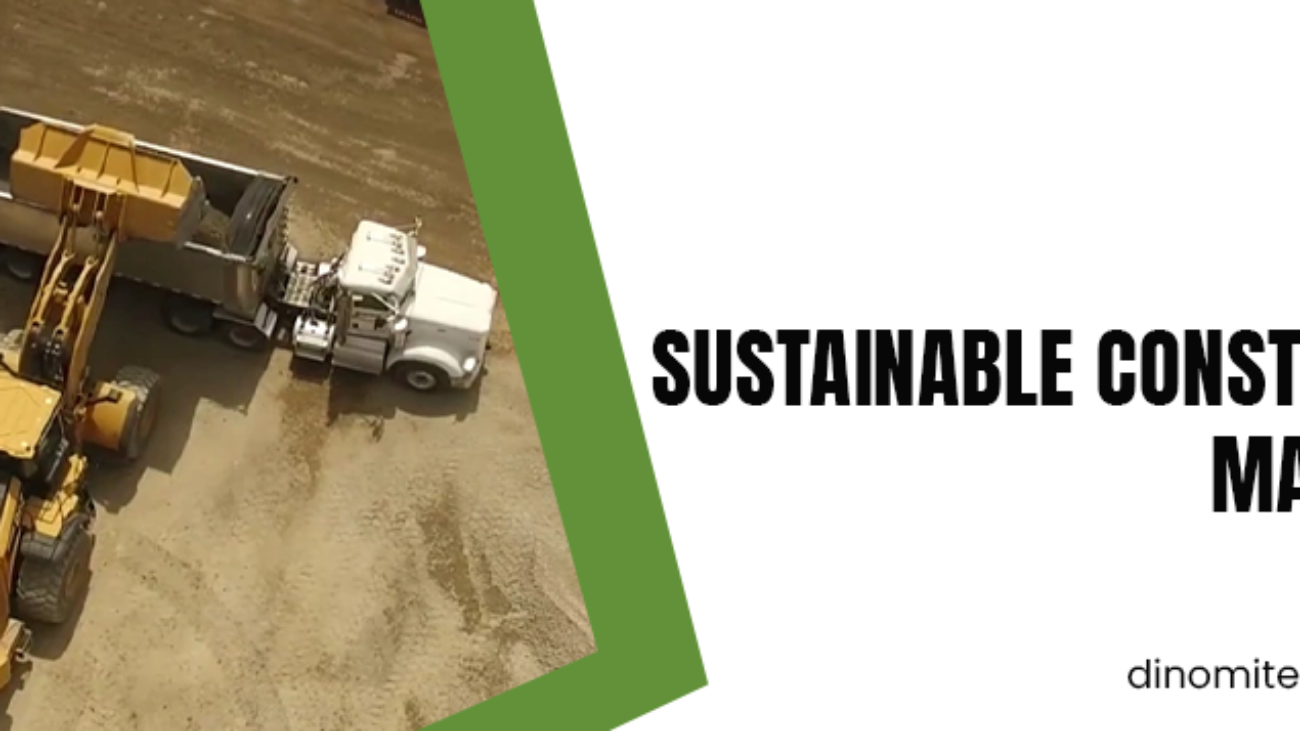
Modern construction is rapidly evolving, and environmental responsibility has become a core priority for builders and developers. One of the biggest shifts in the industry is the growing use of sustainable construction materials to reduce waste and improve efficiency on project sites. These materials not only help lower environmental impact but also improve long-term durability and cost control in construction work.
Today, companies are rethinking how resources are sourced, used, and reused across projects. Instead of treating waste as a burden, it is now being transformed into valuable input for new development. This shift is changing how contractors plan, design, and execute projects of all sizes. As a result, sustainability is no longer optional—it is becoming a standard practice in modern construction planning.
Why Sustainable Materials Matter in Modern Construction
The construction industry consumes a massive amount of raw materials every year. This demand puts pressure on natural resources and increases environmental strain. Sustainable construction materials help address this issue by promoting responsible sourcing and efficient usage.
Furthermore, these materials are designed to last longer and reduce maintenance needs. This means fewer replacements and lower lifecycle costs for builders. In many cases, recycled inputs also perform just as effectively as traditional options.
Consequently, developers are now prioritizing materials that balance performance with environmental responsibility. This shift is not only improving project efficiency but also supporting greener urban development.
From Construction Waste to Reusable Resources
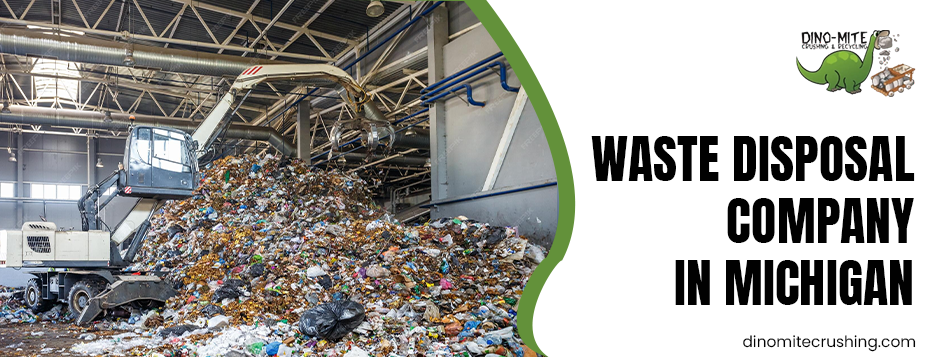
Construction sites generate large volumes of debris, which can either be discarded or repurposed. A growing trend is converting this waste into usable materials through structured systems. In this process, a waste disposal company in Michigan plays a key role in collecting and managing construction debris responsibly.
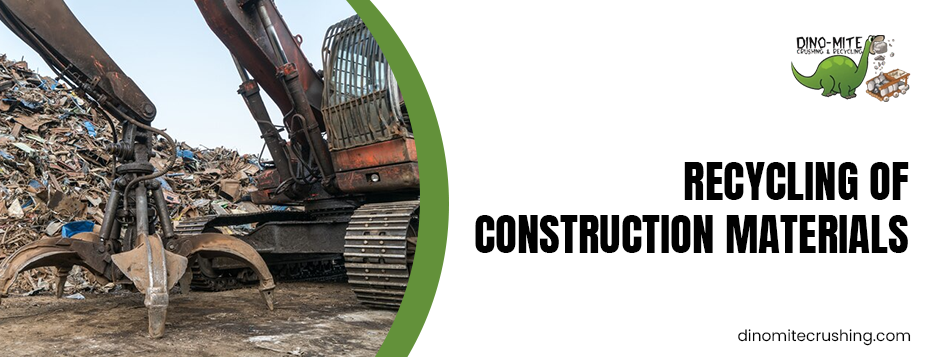
At the same time, recycling of construction materials ensures that concrete, asphalt, and metals are processed into reusable aggregates instead of being dumped into landfills. This reduces environmental pressure and supports circular resource flow.
In this transformation cycle, sustainable construction materials emerge as a direct result of effective waste recovery systems. Instead of relying only on virgin resources, builders can now integrate recovered materials into new projects. Additionally, environmentally friendly construction materials help reduce dependency on raw extraction, making construction more resource-efficient.
Role of Recycling Systems and Material Recovery
Recycling is at the heart of modern construction sustainability. Advanced systems now allow materials to be processed, cleaned, and reused in multiple applications. The recycling of construction materials ensures that valuable components are not lost during demolition or renovation projects.
Furthermore, these systems support consistent material quality, which is essential for structural reliability. When processed correctly, recycled outputs can match or even exceed traditional material performance.
Sustainable construction materials benefit greatly from these recycling methods, as they are often derived from recovered waste streams. This reduces production costs and supports eco-friendly building practices. In addition, eco-friendly construction materials contribute to reducing landfill pressure and lowering carbon emissions across construction operations.
Equipment and Operational Efficiency in Sustainable Projects
Efficient construction depends not only on materials but also on the right machinery. Access to construction equipment rental services allows contractors to use modern tools without heavy ownership costs. This flexibility improves project scalability and reduces idle equipment waste.
Moreover, rented machinery supports better resource allocation across multiple job sites. It ensures that equipment is used only when needed, which increases operational efficiency.
In this workflow, sustainable construction materials are easier to handle and process using advanced machinery. The combination of modern equipment and eco-friendly inputs leads to smoother project execution. Additionally, construction equipment rental solutions help contractors adapt quickly to changing project demands without unnecessary investment.
Smart Planning for Long-Term Project Sustainability
Long-term construction success depends on careful planning and resource optimization. Contractors are now integrating environmental strategies into early project stages to reduce waste generation. A waste disposal company in Michigan often supports this process by ensuring proper waste segregation and responsible handling from the beginning.
Similarly, equipment rental of construction services allows project managers to scale operations efficiently without overcommitting capital. This flexibility ensures better financial control across project phases.
Sustainable construction materials also play a major role in long-term planning. They provide consistent quality while reducing environmental impact over time. Furthermore, renewable construction materials help developers meet regulatory standards and green building certifications more easily.
Key Benefits for Contractors and Builders
The adoption of eco-friendly construction practices delivers multiple advantages for industry professionals. Cost savings, improved efficiency, and reduced environmental risks are some of the most significant outcomes.
Sustainable construction materials help contractors build stronger, more efficient structures while lowering long-term maintenance needs. They also support compliance with environmental regulations, which is becoming increasingly important in modern construction markets.
In addition, better waste management and recycling of construction materials improve site organization and reduce disposal costs. When combined with efficient equipment usage, projects become more streamlined and predictable.
Overall, sustainable building materials provide a practical balance between performance and responsibility, making them essential for future-ready construction projects.
Future of Eco-Friendly Construction Industry
The future of construction is moving strongly toward sustainability and innovation. New technologies are making it easier to recover, process, and reuse materials at scale. As environmental awareness grows, demand for smarter building solutions will continue to rise.
Sustainable construction materials will remain central to this transformation, shaping how cities and infrastructure are developed. In the coming years, more projects will rely on recycled inputs and energy-efficient processes.
Furthermore, collaboration between contractors, recyclers, and service providers will strengthen the circular economy model. This will reduce waste and improve resource efficiency across the industry.
Ultimately, circular economy construction materials represent a long-term shift toward responsible construction practices that benefit both the environment and the economy.
Building Smarter with Dino-Mite Crushing Solutions
At Dino-Mite Crushing, we bring construction efficiency and sustainability together through reliable material supply, recycling services, and equipment support. We specialize in recycling concrete, asphalt, dirt, and construction debris into usable resources through advanced on-site crushing. We also provide convenient dumping solutions and transportation assistance to streamline your workflow.
In addition, we offer construction equipment rental, including sweeping units and water trucks, to support project needs. Our goal is to make every construction project cleaner, faster, and more resource-efficient with end-to-end solutions.
Conclusion
Sustainability is no longer a trend in construction—it is a necessity. By integrating recycling systems, efficient machinery, and responsible waste handling, the industry is moving toward a more balanced and eco-conscious future.
In conclusion, adopting smarter material strategies and operational practices ensures better project outcomes and long-term environmental benefits. Dino-Mite Crushing supports this transformation by offering reliable solutions that help builders embrace efficiency, sustainability, and innovation in every stage of construction.