
asphalt price in Michigan

Cost‑Benefit Analysis: The True ROI of Incorporating Recycled Asphalt

Environmental stewardship and cost effectiveness go hand in hand in today’s infrastructure context. Incorporating recycled asphalt offers a pathway to substantial savings without compromising performance. With fluctuating asphalt price in Michigan, it’s more critical than ever for contractors and municipalities to understand the true return on investment of using reclaimed pavement materials. This comprehensive guide dives into the cost‑benefit analysis of recycled asphalt, revealing how upfront savings, lifecycle performance, and environmental dividends combine to deliver real ROI for projects of all scales.
asphalt price in Michigan

The Growing Importance of Sustainable Pavement Solutions

Traditional hot‑mix asphalt production relies heavily on quarrying and refining raw materials, processes that consume energy and generate greenhouse gases. Recycling asphalt diverts millions of tons of pavement from landfills each year, conserving natural aggregates and reducing the environmental footprint of road construction. As sustainability ratings and green‑building certifications become standard requirements, specifying recycled asphalt positions your organization at the forefront of eco‑conscious design. Beyond meeting regulatory mandates, recycled mixes demonstrate corporate responsibility and can bolster public support for infrastructure investments.

Understanding Recycled Asphalt (RAP)

Reclaimed Asphalt Pavement (RAP) is created by milling or removing existing asphalt pavements, then crushing the removed material to specified gradations. The resulting aggregates retain a portion of aged binder, which, when combined with fresh bitumen or rejuvenators, produces a viable mix that mirrors virgin hot‑mix asphalt. The key variables—RAP percentage, additive type, and mixing temperature—determine the final mix’s mechanical properties. By tailoring these parameters, engineers can match or exceed performance standards for base layers, surface courses, and specialty applications, all while capitalizing on the embedded value of the existing binder and aggregates.

The Rising Asphalt Price in Michigan and Its Impact

Over the past decade, the asphalt price in Michigan has experienced significant volatility, driven by crude oil fluctuations and regional supply constraints. The skyrocketing asphalt price also disrupted maintenance schedules, as agencies delayed repaving work to avoid peak cost periods. By integrating recycled materials, project planners can insulate budgets from market swings, ensuring more predictable expenditures and avoiding the need to defer critical road repairs.

Cost Components in Asphalt Production

Producing new asphalt involves several cost centers: raw aggregates, bitumen binder, energy for heating and mixing, transportation, and plant maintenance. Each component is sensitive to market conditions, particularly the bitumen, where crude oil prices have a direct influence. Relative to the average asphalt price in Michigan, RAP can deliver material cost reductions of 15–30%, depending on the percentage of reclaimed content and the distance to recycling facilities. Additional savings arise from lower energy consumption, as cold or warm mix RAP technologies require reduced heating temperatures compared to conventional hot‑mix production.

Benefits of Recycled Asphalt: Material Savings

The decrease in the need for new materials and binder is the largest direct economical benefit of recycled asphalt. High‑quality crushed RAP serves as both a filler and a partial binder source, diminishing the need for new materials. This price gap compared to the asphalt price in Michigan directly translates into per‑ton savings at the plant gate. Moreover, by sourcing local RAP, contractors can cut transportation costs and emissions. When aggregated across large‑scale resurfacing projects, these material savings can amount to hundreds of thousands of dollars per year.

Energy and Environmental Savings Driving ROI

Energy consumption in asphalt production accounts for a significant portion of overall emissions and operating costs. Cold and warm mix processes that incorporate RAP operate at lower temperatures, reducing fuel usage by 20–40%. With energy costs tied to asphalt price in Michigan, this efficiency lowers greenhouse gas output and shrinks the operational expenses of asphalt plants. The reduced carbon footprint can qualify projects for sustainability incentives and carbon credit programs, further boosting the project’s financial returns and public reputation.

Performance and Durability Considerations

Skeptics often question whether recycled asphalt can match the durability of virgin mixes. However, when quality control protocols for gradation, binder content, and compaction are rigorously applied, RAP‑enhanced pavements deliver comparable resistance to rutting, cracking, and moisture damage. Field studies indicate that properly engineered RAP sections often outperform traditional sections in stiffness and thermal fatigue resistance. Achieving this performance parity requires adherence to best practices in material handling and mix design, ensuring that recycled aggregates seamlessly integrate with fresh binders.

Influence on Project Timelines and Logistics

Logistics can be streamlined by incorporating recycled asphalt into a project. Many recycling facilities operate mobile plants near job sites, eliminating long hauls to central asphalt plants. Contractors can schedule milling, crushing, and repaving in quick succession—often completing complete reconstruction in a single extended shift. By avoiding delays associated with material shortages or plant downtime, teams sidestep premium charges linked to the asphalt price. Accelerated schedules also minimize traffic disruptions and allow agencies to reopen roads sooner, reducing indirect economic losses.

Quantifying Cost Savings vs. Conventional Hot‑Mix Asphalt

To assess true ROI, project managers must compare all-in costs of RAP mixes against standard HMA. When compared to the prevailing asphalt price in Michigan, RAP projects often show a 10–30% reduction in material and production expenses. Factoring in lower fuel costs, reduced haul distances, and fewer disposal fees. Lifecycle cost models that include maintenance and rehabilitation further increase these savings. By monetizing extended pavement life and reduced repair cycles, the case for recycled asphalt becomes overwhelmingly compelling.

Impact on Lifecycle Cost and Maintenance

Pavement lifecycle cost analysis (LCCA) examines expenses from construction through end-of-life rehabilitation. Recycled asphalt’s enhanced stiffness and moisture resistance translate to slower distress development, reducing routine maintenance needs like crack sealing and patching. Over a 20‑year horizon, LCCA models show RAP sections can require 15–25% fewer interventions. Understanding how recycled mixes mitigate increases in asphalt price in Michigan ensures that agencies lock in lower service costs and deliver longer-lasting roadways for the public.

Overcoming Initial Investment Barriers

Despite clear benefits, some stakeholders hesitate due to perceived upfront costs: specialized equipment, staff training, and mix‑design validation. However, mobile recycling units and third‑party contractors lower these barriers by offering turnkey solutions. Grants and low‑interest loans specifically target sustainable materials initiatives, further defraying initial outlays. For projects concerned about immediate budget impacts, phased adoption—starting with lower‑volume roads—can demonstrate value before scaling to high‑traffic corridors.

Policy Incentives and Grants in Michigan

Michigan’s commitment to green infrastructure translates into tangible incentives for recycled asphalt adoption. The state’s Transportation Asset Management Council (TAMC) offers performance‑based grants that reward high RAP usage. Additionally, clean‑energy funds subsidize warm‑mix RAP equipment purchases, accelerating plant upgrades. By tapping into these programs, agencies and contractors offset the influence of asphalt price in Michigan, freeing capital for complementary initiatives like bike lanes or pedestrian improvements.

Calculating True ROI: A Comprehensive Framework

A robust ROI analysis must integrate capital costs, operational efficiencies, material savings, and lifecycle benefits. Begin with baseline quotations using the current asphalt price for virgin HMA. Overlay RAP mix quotes—accounting for additives, energy differentials, and hauling distances. Incorporate projected maintenance schedules and cost differentials over a 20‑year design life. Finally, quantify environmental benefits in carbon‑credit or sustainability scoring terms. When all factors converge, most projects reveal ROI ratios exceeding 1.5× within the first decade, making recycled asphalt a financially strategic choice.

Future Outlook: Market Trends in Recycled Asphalt

Advances in mix‑design software, rejuvenating agents, and sensor‑driven plant controls are propelling recycled asphalt into the mainstream. As more states adopt mandates for minimum RAP percentages, economies of scale will drive down processing costs further. Although crude oil prices remain unpredictable, the buffering effect of recycled aggregates will continue to tame spikes in the asphalt price in Michigan, stabilizing budgets and encouraging wider adoption. In this evolving market, early adopters of high‑RAP mixes stand to gain the greatest competitive and fiscal advantages.
learn about the recycling concrete and asphalt cost Michigan

Final Thoughts

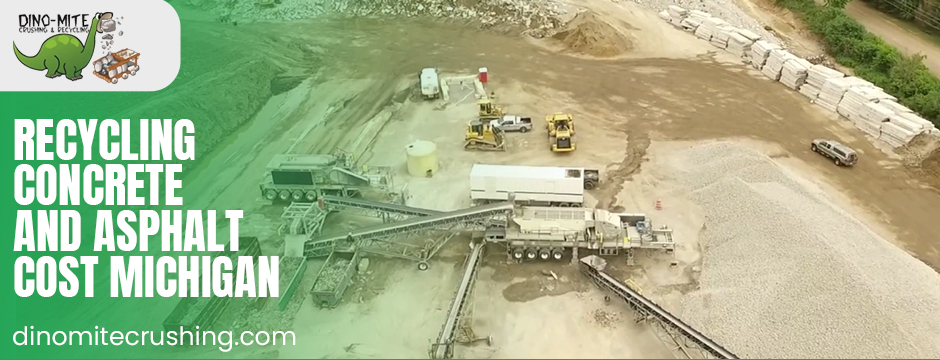
Incorporating recycled asphalt is not just an environmental imperative—it’s a sound financial strategy. By offsetting volatile asphalt price in Michigan, cutting energy use, and extending pavement life, RAP delivers quantifiable ROI that outpaces traditional hot‑mix approaches. Rigorous quality control, supportive policy frameworks, and real‑world successes in Michigan underscore the viability of high‑RAP projects. As infrastructure demands grow and sustainability goals tighten, recycled asphalt will remain a cornerstone of cost‑effective, green construction, benefiting contractors, taxpayers, and the planet alike. So, if you remain interested to learn about the recycling concrete and asphalt cost Michigan for your construction projects, you must visit our website, Dino-Mite Crushing, today! 

1. Best Couple therapist in kozhikode_

The Cost of Delays in Construction: How Reliable Material Transportation Saves Time and Money

Construction projects, whether residential, commercial, or industrial, require precision, coordination, and efficiency. However, even with meticulous planning, one factor can significantly derail timelines and budgets—delays. Among the myriad causes of delays in construction, unreliable material transportation stands out as a major contributor. In this blog, we will explore the tangible and intangible costs of delays in construction and highlight how dependable material transportation services in Michigan and across the USA can be a game-changer for your project.

The True Cost of Construction Delays

Construction delays have ripple effects that go far beyond the immediate inconvenience of a missed deadline. Below, we break down the costs into key categories to illustrate the impact:

1. Financial Losses

Time is money in the construction industry. Delays often mean extended labor costs, increased equipment rental fees, and potential penalties for failing to meet project deadlines. According to industry reports, construction delays can increase project costs by as much as 20-30%. This is especially true when transportation of critical materials like concrete, aggregates, or asphalt is delayed, halting progress on-site.

2. Reputational Damage

For contractors and construction companies, reputation is everything. Failing to deliver on time can lead to unhappy clients and negative reviews. Reliable material transportation services in Michigan can ensure that your materials arrive on schedule, helping you maintain trust with clients and stakeholders.

3. Missed Opportunities

Delays in one project often have a domino effect, preventing contractors from taking on new projects. This loss of opportunity can significantly hinder business growth, especially for small and medium-sized construction firms.

4. Increased Risk of Material Deterioration

Some construction materials are time-sensitive. For example, ready-mix concrete has a short shelf life once it’s prepared. A delay in transportation can render such materials unusable, leading to waste and added costs. Similarly, improper handling during waste material transport USA can increase disposal expenses or create compliance issues with environmental regulations.

The Importance of Reliable Material Transportation

Reliable material transportation is the backbone of any successful construction project. Without it, even the most well-laid plans can go awry. Here’s how dependable transportation saves time and money:

1. Timely Deliveries Keep Projects on Schedule

In construction, materials like aggregates, asphalt, and concrete are often required in precise quantities at specific times. A delay in their arrival can bring work to a standstill, causing costly downtime for workers and equipment. Reliable material transportation ensures that your project flows smoothly, minimizing interruptions.

2. Reduction in Wastage

Efficient transportation services not only ensure timely delivery but also help in handling materials correctly, reducing losses due to spoilage or damage. For instance, companies offering material transportation services in Michigan often have specialized vehicles to safely transport fragile or time-sensitive materials like asphalt or concrete.

3. Improved Budget Control

Reliable transportation services provide accurate cost estimates and transparent pricing, helping project managers maintain control over their budgets. This predictability allows for better financial planning, avoiding unexpected costs that could derail the project.

4. Eco-Friendly and Compliant Solutions

Modern transportation services, especially those involved in waste material transport USA, focus on eco-friendly practices. They comply with environmental regulations, ensuring that materials are transported and disposed of responsibly. This not only saves companies from potential legal penalties but also contributes to their sustainability goals.

5. Minimized Labor Downtime

When materials arrive on time, workers remain productive. On the contrary, delays often lead to idle labor, which still needs to be paid for. Reliable material transportation eliminates this downtime, ensuring maximum productivity.

Key Features of a Reliable Material Transportation Service

Not all transportation services are created equal. When choosing a provider, look for these essential features:

Fleet Capability: The company should have a versatile fleet equipped to handle a variety of materials, from aggregates to hazardous waste.

Experienced Drivers: Skilled drivers who understand the nuances of transporting different materials ensure safety and timeliness.

Real-Time Tracking: Modern GPS systems allow clients to track deliveries in real-time, ensuring transparency.

Flexibility: Look for services that can accommodate last-minute changes in schedules or material requirements.

Sustainability Practices: Companies committed to eco-friendly solutions provide added value by minimizing environmental impact.

How to Avoid Transportation-Related Delays

To mitigate the risks associated with unreliable material transportation, consider the following tips:

Plan Ahead

Anticipate material requirements for each phase of your project and schedule deliveries accordingly.

Work with Reputable Providers

Choose transportation companies with a proven track record, like Dino-Mite Crushing, that prioritize timeliness and customer satisfaction.

Communicate Effectively

Maintain open lines of communication with your transportation provider to address any potential issues before they escalate.

Dino-Mite Crushing: Your Partner in Reliable Material Transportation

At Dino-Mite Crushing, we understand that timely and efficient material transportation is critical to the success of your construction project. That’s why we have built our services around reliability, flexibility, and customer satisfaction.

Whether you need material transportation services in Michigan or are dealing with waste material transport USA, we have the expertise, fleet, and technology to meet your needs. Our team works closely with you to schedule deliveries, ensuring your materials arrive exactly when and where you need them.

In addition to transportation, we also provide a comprehensive range of services, including on-site crushing, recycling, and equipment rental. These integrated solutions make us a one-stop shop for all your construction material needs. At Dino-Mite Crushing, we take pride in not just meeting expectations but exceeding them, helping you save time, money, and effort on every project.

Conclusion

Delays in construction are costly, both financially and reputationally. Reliable material transportation is a critical factor in avoiding these setbacks, ensuring your project stays on schedule and within budget. From delivering critical materials to managing debris disposal, dependable transportation services form the backbone of successful construction projects.

By partnering with trusted providers like Dino-Mite Crushing, you gain access to a full suite of solutions designed to streamline your operations. With timely deliveries, eco-friendly practices, and a commitment to quality, Dino-Mite Crushing helps you minimize delays, reduce costs, and achieve your construction goals efficiently.

Invest in reliable material transportation today and see the difference it makes to your construction projects. After all, saving time and money starts with choosing the right partner.

Artboard 8 (3)

Choosing the Right Concrete Crushing Machine: A Comprehensive Guide

Concrete crushing machines are essential tools in the construction and demolition industry. They help break down large chunks of concrete into smaller, reusable materials, making them a crucial component in sustainable construction practices. Selecting the right concrete crushing machine can significantly impact your project’s efficiency, cost-effectiveness, and environmental footprint. In this guide, we’ll explore the factors you should consider when choosing a concrete crushing machine, the different types available, and why Dino-Mite Crushing is your go-to partner for all your concrete crushing needs.

Understanding Concrete Crushing Machines

Concrete crushing machines are specialized equipment designed to break down concrete into smaller, manageable sizes. These machines use powerful jaws or impact forces to crush concrete into aggregates that can be recycled and reused for various construction applications.

Key Factors to Consider When Choosing a Concrete Crushing Machine

1. Type of Crushing Machine

Concrete crushing machines come in different types, each suited for specific applications. The three primary types are:

  • Jaw Crushers – These are ideal for primary crushing and can handle large pieces of concrete. They operate by applying pressure between a stationary jaw and a movable jaw to crush the material.
  • Impact Crushers – These are best for secondary crushing and produce finely crushed material by using impact force.
  • Cone Crushers – These machines provide high efficiency for secondary and tertiary crushing, ensuring a more uniform final product.

2. Production Capacity

Different projects require different production capacities. If your project involves large-scale demolition or recycling operations, you’ll need a machine with higher throughput capacity.

3. Portability and Mobility

If you need to move your crushing operations from site to site, consider a mobile concrete crushing machine. Portable crushers offer flexibility and convenience, making them ideal for on-site crushing.

4. Energy Efficiency

Energy consumption is a crucial factor. Machines with high efficiency reduce operational costs and minimize environmental impact.

5. Size and Feed Opening

The size of the feed opening determines the maximum concrete chunk size the machine can handle. Ensure the machine’s feed size aligns with your project requirements.

6. Maintenance and Ease of Operation

Look for machines with user-friendly controls and low maintenance requirements. Some models come with automated features that simplify the crushing process.

7. Cost and Budget

Concrete crushing machines vary in price depending on size, features, and capacity. Set your budget and choose a machine that offers the best balance of cost and performance.

8. Environmental Considerations

Sustainable construction practices require equipment that minimizes dust, noise, and emissions. Choose a machine that adheres to environmental regulations and contributes to eco-friendly construction.

Types of Concrete Crushing Machines in Detail

Jaw Crushers

Jaw crushers are widely used for primary crushing. They work by using two heavy-duty jaws to compress the material. They are known for their durability and efficiency, making them ideal for handling large volumes of concrete.

Impact Crushers

Impact crushers use high-speed rotors to break concrete into smaller pieces. These machines are perfect for producing finely crushed material suitable for road construction and other projects requiring compact aggregates.

Cone Crushers

Cone crushers are commonly utilized for secondary and tertiary crushing processes. They produce well-shaped aggregates and provide excellent efficiency in crushing operations.

Mobile Crushers

Mobile crushers are versatile machines that can be transported to various sites. These units offer on-the-go crushing capabilities and reduce the need for hauling debris to off-site locations.

Best Practices for Using Concrete Crushing Machines

To maximize the efficiency of your concrete crushing machine, follow these best practices:

  • Properly size the material – Avoid overloading the machine by feeding it appropriately sized concrete chunks.
  • Regular maintenance – Routine checks and servicing help prevent unexpected breakdowns.
  • Use correct settings – Adjust the machine settings based on the desired output size.
  • Implement safety measures – Ensure operators follow safety protocols to prevent accidents.

Why Choose Dino-Mite Crushing?

At Dino-Mite Crushing, we take pride in offering top-notch concrete crushing services. We understand the importance of choosing the right equipment for your project, and our team is here to guide you through the process. Our fleet includes a variety of high-performance concrete crushing machines tailored to meet different project needs.

In addition to concrete crushing, we provide comprehensive services such as transportation, construction sweeping service in Michigan, and on-site crushing. Our commitment to sustainability ensures that we prioritize recycling and eco-friendly construction practices. Whether you need mobile crushers for on-site work or high-capacity machines for large-scale projects, we’ve got you covered.

Conclusion

Choosing the right concrete crushing machine is a critical decision that impacts your project’s efficiency and overall success. By considering factors such as machine type, production capacity, portability, and environmental impact, you can make an informed choice. At Dino-Mite Crushing, we provide expert advice and high-quality equipment to help you achieve the best results. Contact us today to learn more about our services and how we can assist with your concrete crushing needs.