sustainable building materials michigan

Sustainable Building Materials Michigan: The Future of Eco-Friendly Construction

The construction industry is changing rapidly. Builders, developers, and property owners are no longer focused only on cost and speed. Today, sustainability plays a major role in how projects are planned and completed. As environmental concerns continue to grow, the demand for sustainable building materials Michigan companies can rely on is increasing across residential, commercial, and industrial sectors.

Modern construction now prioritizes durability, waste reduction, and energy efficiency. Consequently, many contractors are shifting toward greener alternatives that support long-term environmental goals without sacrificing structural performance. This transition is helping Michigan move toward a cleaner and more responsible construction future.

sustainable building materials michigan

Why Sustainable Construction Is Becoming Essential

Traditional construction methods often consume large amounts of natural resources. They also generate significant waste during demolition and rebuilding projects. However, the industry is beginning to recognize the long-term impact of these practices.

Using sustainable construction materials helps reduce landfill waste, lower carbon emissions, and preserve raw resources. Furthermore, many environmentally conscious projects now focus on recycling and reusing materials whenever possible.

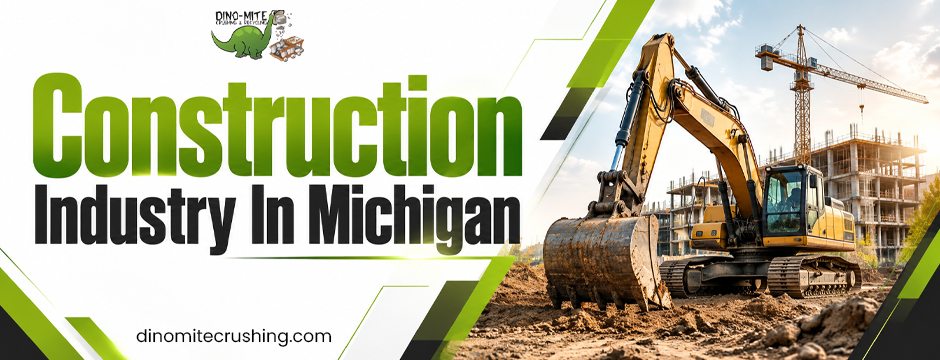
Michigan has seen steady growth in green infrastructure projects over the last few years. From road construction to commercial development, builders are looking for smarter material solutions that balance environmental responsibility with practical performance.

This shift is not simply a trend. It reflects a broader movement toward sustainable urban development.

The Growing Demand for Sustainable Building Materials in Michigan

The rise in eco-conscious construction has increased the demand for sustainable building materials that Michigan contractors can use for modern projects. Builders now want materials that offer both strength and environmental value.

Several factors are driving this demand:

  • Rising environmental awareness
  • Increasing construction waste regulations
  • Higher interest in recycled materials
  • Long-term cost savings
  • Improved building efficiency

Additionally, many developers understand that sustainable construction can improve public perception and increase property value. Eco-friendly projects often attract businesses and homeowners who care about responsible development.

As a result, Michigan’s construction sector is evolving toward greener practices across multiple industries.

Common Types of Sustainable Materials Used in Construction

Modern projects use a wide range of eco-friendly materials. Each option offers unique benefits depending on the type and scale of construction.

Recycled Concrete Aggregates

Recycled concrete is becoming increasingly popular in infrastructure and road projects. Old concrete from demolition sites can be crushed and processed into reusable aggregates. This reduces the need for newly mined materials.

Moreover, recycled aggregates help lower transportation and disposal costs while supporting waste reduction goals.

Reclaimed Asphalt

Reclaimed asphalt pavement is widely used in paving and roadway improvements. It allows contractors to reuse existing materials instead of relying entirely on fresh asphalt mixtures.

This process conserves resources and improves project sustainability.

Energy-Efficient Insulation

Buildings that use advanced insulation systems often consume less energy over time. Consequently, property owners experience lower heating and cooling costs.

Efficient insulation also supports better indoor comfort and reduced environmental impact.

Recycled Metal Materials

Steel and aluminum can often be recycled multiple times without losing structural integrity. Because of this, recycled metal products remain valuable in commercial and industrial construction projects.

Environmental Benefits of Sustainable Building Practices

One major advantage of using sustainable building materials Michigan developers prefer is environmental preservation. Construction projects traditionally create massive amounts of debris. Sustainable practices help minimize that burden significantly.

For example, recycling construction waste keeps usable materials out of landfills. Furthermore, repurposing concrete and asphalt reduces the need for excessive quarrying and mining activities.

Lower resource consumption also means reduced greenhouse gas emissions during production and transportation. Over time, these improvements contribute to cleaner air and healthier communities.

Importantly, sustainable construction supports long-term environmental resilience rather than short-term convenience.

Economic Advantages for Contractors and Developers

Sustainability is not only beneficial for the environment. It also provides measurable financial advantages.

Many builders initially assume green construction materials are expensive. However, recycled and repurposed materials often reduce disposal and sourcing costs. In some cases, they also improve project efficiency.

Using sustainable construction materials can help contractors:

  • Reduce material transportation expenses
  • Lower landfill dumping fees
  • Improve operational efficiency
  • Meet environmental compliance standards
  • Increase long-term project value

Additionally, sustainable buildings frequently require less maintenance over time. This creates ongoing savings for property owners and facility managers.

Consequently, eco-friendly construction is becoming both a practical and profitable solution.

How Recycling Supports Modern Construction

Recycling has become one of the most important pillars of sustainable construction. Instead of discarding demolition debris, many companies now process old materials into reusable products.

This creates a circular construction model where waste becomes a valuable resource.

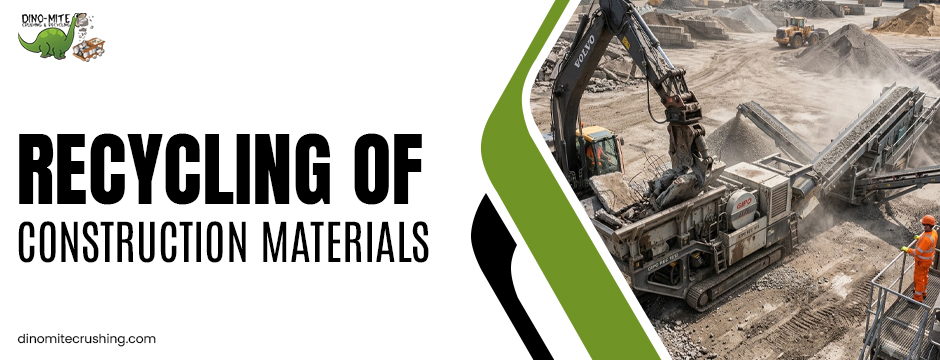
For instance, crushed concrete can be reused in roads, parking lots, drainage systems, and structural base layers. Similarly, recycled asphalt can support new paving projects without compromising durability.

The use of sustainable building materials Michigan projects also helps reduce pressure on natural resources.

Furthermore, recycling operations support cleaner construction sites and more efficient waste management systems.

The Role of Technology in Sustainable Construction

Technology continues to improve the effectiveness of green construction practices. Advanced crushing equipment, material sorting systems, and recycling machinery allow companies to process waste more efficiently than ever before.

Modern equipment can separate reusable materials with greater precision. This improves material quality while reducing contamination.

Additionally, digital planning tools help contractors estimate waste reduction opportunities before projects even begin. Better planning leads to improved sustainability outcomes across the entire construction process.

As innovation continues, the future of eco-friendly construction looks increasingly promising.

Challenges Facing Sustainable Construction

Although the industry is progressing, some challenges still remain.

Certain contractors may hesitate to adopt sustainable practices because of limited awareness or outdated assumptions about recycled materials. Others may struggle with supply chain limitations in specific regions.

However, education and improved recycling infrastructure are gradually helping overcome these barriers.

Many recycled products now meet strict quality standards and perform exceptionally well in demanding environments. As confidence grows, adoption rates are expected to increase further across Michigan.

Choosing the Right Sustainable Material Supplier

Not all suppliers offer the same level of quality or environmental commitment. Builders should carefully evaluate providers based on reliability, recycling capabilities, and material standards.

A dependable supplier should offer:

  • Consistent material quality
  • Transparent recycling processes
  • Timely delivery services
  • Environmentally responsible operations
  • Customized project support

Reliable sourcing plays a major role in achieving sustainability goals successfully.

Additionally, working with experienced recycling and aggregate specialists can improve both project performance and environmental outcomes.

Building a Greener Future with Dino-Mite Crushing

At Dino-Mite Crushing, we believe sustainable construction starts with smarter material solutions. We provide high-quality recycled aggregates, eco-friendly construction materials, and advanced recycling services that help reduce waste and conserve natural resources. Furthermore, our team focuses on reliable delivery, responsible waste management, and efficient material processing for projects of every size.

By combining innovation with environmental responsibility, we help contractors, developers, and communities build stronger infrastructure while supporting a cleaner and more sustainable future across Michigan.

sustainable construction materials

Conclusion

The future of construction is shifting toward smarter and greener solutions. Builders today understand that sustainability is no longer separate from performance or profitability. Instead, both goals now work together.

The increasing use of sustainable building materials Michigan contractors and developers prefer reflects a major transformation within the industry. From recycled aggregates to energy-efficient systems, modern construction is becoming more responsible, efficient, and environmentally aware.

Moreover, the growing adoption of sustainable construction materials is helping reduce waste, conserve resources, and create stronger infrastructure for the future.

For businesses seeking environmentally responsible construction and recycling solutions, Dino-Mite Crushing continues to support projects with innovative material processing and sustainable construction services across Michigan.

Frequently Asked Questions

1. What are sustainable building materials?

Sustainable building materials are eco-friendly products that reduce environmental impact through recycling, energy efficiency, and resource conservation.

2. Why are recycled aggregates important in construction?

Recycled aggregates help reduce landfill waste, lower material costs, and decrease the need for newly mined resources.

3. Can sustainable materials improve project durability?

Yes, many sustainable materials offer excellent strength, long-term performance, and improved efficiency for modern construction projects.

4. How does recycling support eco-friendly construction?

Recycling transforms old construction debris into reusable materials, helping reduce waste and conserve natural resources.

5. Why are Michigan builders choosing sustainable construction practices?

Michigan builders are adopting sustainable practices to lower environmental impact, improve efficiency, and meet growing demand for greener infrastructure solutions.

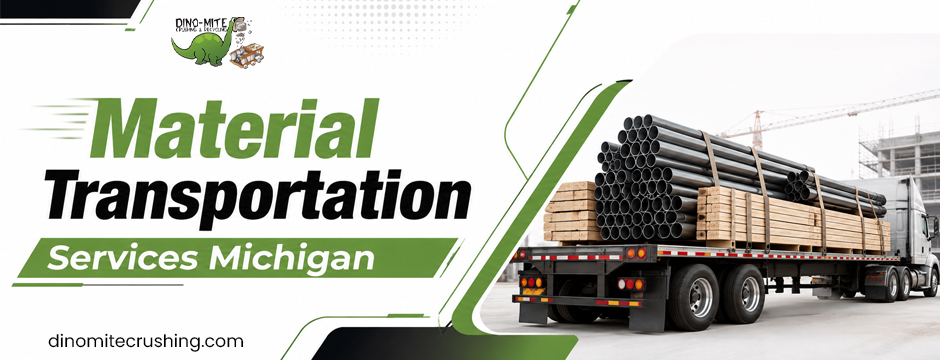
material transportation services michigan

Material Transportation Services in Michigan: The Backbone of Modern Construction Logistics

The construction industry depends heavily on material transportation services Michigan to keep projects moving without delay. From raw aggregates to processed building materials, timely delivery shapes every stage of development. Without efficient movement of materials, even the best-planned projects face setbacks.

Today, contractors demand speed, safety, and reliability. Consequently, logistics has become a core part of construction planning rather than a support function. In this blog, we explore how material transportation services in Michigan support modern construction workflows, improve efficiency, and help projects stay on schedule.

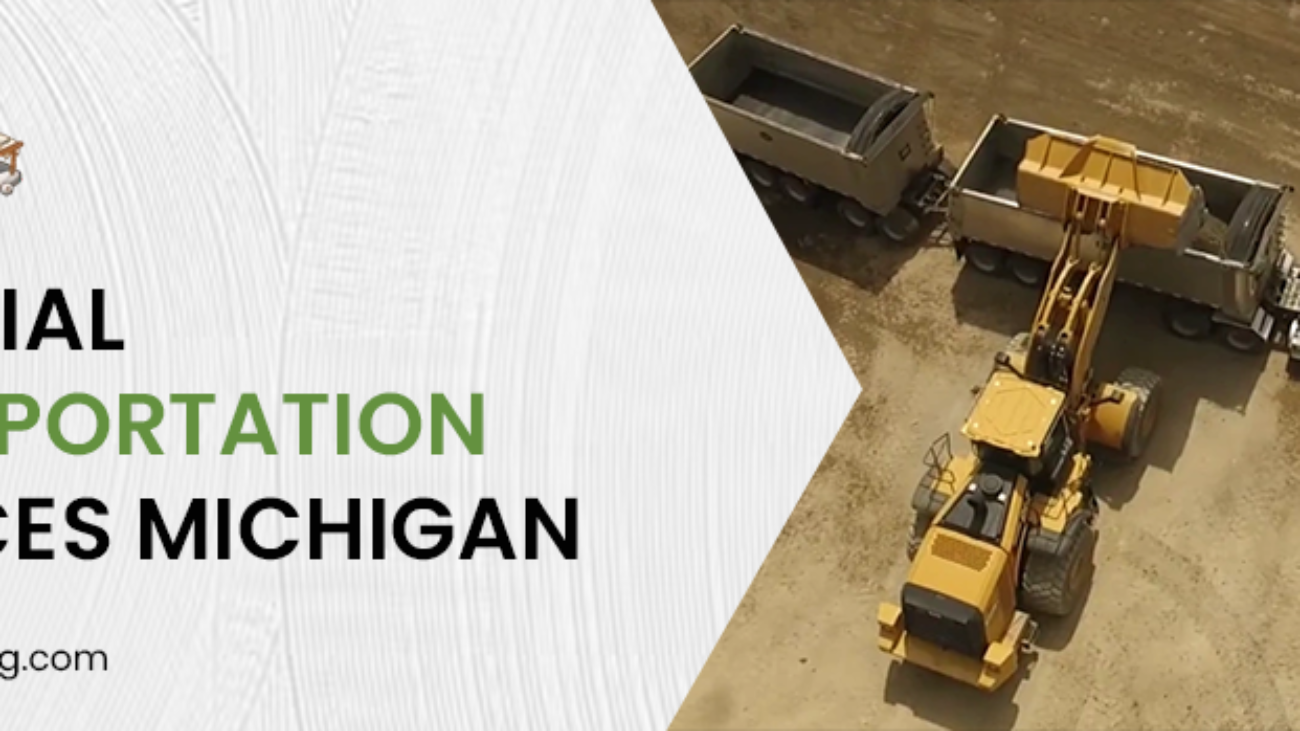
material transportation services michigan

Material Transportation Services in Michigan and Their Growing Importance

Modern construction sites operate under tight deadlines and strict coordination. Material transportation services play a central role in ensuring that materials arrive exactly when needed, reducing idle time on-site and improving productivity.

Furthermore, these services bridge the gap between suppliers, recycling centers, and construction zones. Whether it is gravel for foundations or recycled aggregates for roadwork, precise delivery matters.

In addition, material transportation services in Michigan help reduce operational chaos by organizing movement schedules, preventing congestion, and supporting smoother project execution.

Strategic Logistics Planning in Construction Projects

Every successful build begins with planning, and logistics is a major part of it. Efficient scheduling ensures materials are delivered in the right sequence.

Professionals offering material transportation services focus on route optimization, fuel efficiency, and time-sensitive deliveries. This reduces delays and prevents material wastage at construction sites.

Moreover, advanced planning reduces dependency gaps between the supply and execution phases. As a result, contractors can maintain a continuous workflow without interruptions.

Another important aspect is coordination with recycling and processing units. Here, the integration of on-site material crushing service becomes valuable, as it reduces the need for transporting raw demolition waste off-site.

Fleet Management, Safety, and Operational Control

A strong transportation system relies on a well-managed fleet. Trucks, loaders, and heavy carriers must be maintained and operated with precision.

In material transportation services in Michigan, safety protocols are strictly followed to protect both workers and cargo. Drivers are trained for heavy-load handling, and vehicles are regularly inspected to meet compliance standards.

Additionally, scheduling systems ensure that equipment is utilized efficiently without unnecessary downtime. This improves cost control and enhances delivery consistency.

The use of on-site crushing service further reduces transport load by processing materials directly at the construction location, minimizing unnecessary hauling operations.

Integration of On-Site Processing in Modern Logistics

Construction waste management has evolved significantly. Instead of moving debris to distant facilities, many projects now use on-site material crushing service to process materials directly at the source.

This approach reduces transportation cycles and improves material reuse. Crushed concrete and asphalt can be reused instantly for road base or structural fill.

Furthermore, material transportation services in Michigan become more efficient when paired with on-site processing because fewer outbound trips are required. This leads to lower fuel consumption and reduced operational costs.

Another advantage of on-site concrete crushing service is faster site clearance, allowing new construction phases to begin without delay.

Sustainability and Cost Efficiency in Transportation Systems

Environmental responsibility has become a key focus in construction logistics. Modern material transportation services in Michigan prioritize fuel-efficient routing, reduced emissions, and optimized load management.

By minimizing unnecessary trips, companies reduce their carbon footprint while improving profitability. Consequently, sustainability and cost savings go hand in hand.

Additionally, on-site crushing service supports eco-friendly construction practices by recycling demolition waste instead of sending it to landfills. This contributes to resource conservation and reduces environmental impact.

Efficient logistics planning also ensures that materials are not over-ordered or wasted, further supporting green construction goals.

Practical Applications in Real Construction Projects

Different construction projects rely on logistics in unique ways. Road construction, residential development, and industrial expansion all require coordinated material flow.

In roadwork, material transportation services in Michigan ensure a continuous supply of aggregates and asphalt, preventing work stoppages. Similarly, large-scale housing projects depend on scheduled deliveries of cement, sand, and structural materials.

The integration of on-site aggregate crushing service is particularly useful in demolition-based redevelopment projects. Materials from old structures are processed and reused immediately, reducing procurement needs.

Furthermore, material transportation services support infrastructure expansion by handling the large-scale movement of construction inputs across multiple sites efficiently.

Challenges Solved by Efficient Transportation Systems

Construction logistics often face challenges such as traffic delays, material shortages, and scheduling conflicts. However, structured material transportation services in Michigan help overcome these issues through advanced coordination.

Real-time tracking systems ensure that deliveries remain on schedule. Additionally, backup routing plans reduce risks associated with road disruptions.

Another challenge is waste accumulation at construction sites. Here, in-place crushing service plays a crucial role by processing debris instantly, preventing clutter, and improving site safety.

Moreover, material transportation services help balance supply and demand by ensuring that materials are delivered in controlled quantities based on project progress.

Future of Construction Logistics in Michigan

The future of construction logistics is moving toward automation, sustainability, and integration. Smart tracking systems, AI-based route planning, and automated fleet management are becoming more common.

In this evolving landscape, material transportation services in Michigan will continue to act as the backbone of construction efficiency. Their role will expand beyond delivery to full-scale logistics management.

Additionally, on-site crushing service will become more widely adopted as companies focus on reducing waste and improving material reuse efficiency.

Together, these advancements will redefine how construction projects are executed in the coming years.

Dino-Mite Crushing: Powering Reliable Construction Solutions

In today’s fast-paced construction environment, dependable logistics and material handling make all the difference. That’s where expert support becomes essential. With a strong focus on efficiency, safety, and sustainability, professional services help contractors complete projects faster and with greater precision.

Whether it’s material movement, recycling support, or on-site processing, having a trusted partner ensures smoother operations and reduced downtime. Modern construction demands smart solutions that balance cost control with environmental responsibility.

For contractors seeking consistent performance and reliable execution, Dino-Mite Crushing offers comprehensive support across transportation, recycling, and material processing needs. Their approach ensures every project benefits from streamlined operations and long-term value.

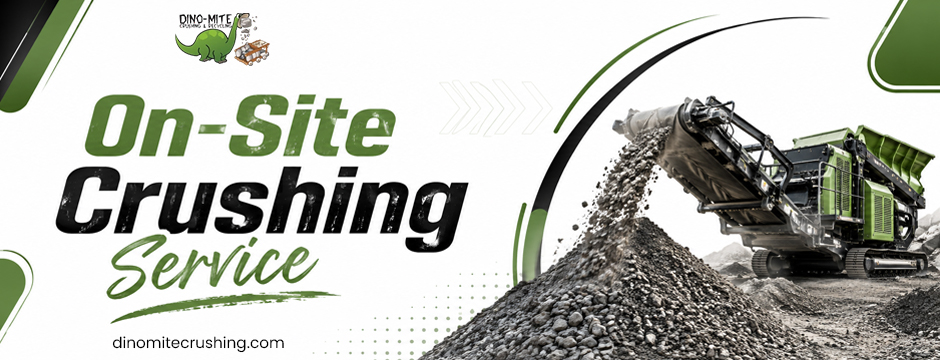
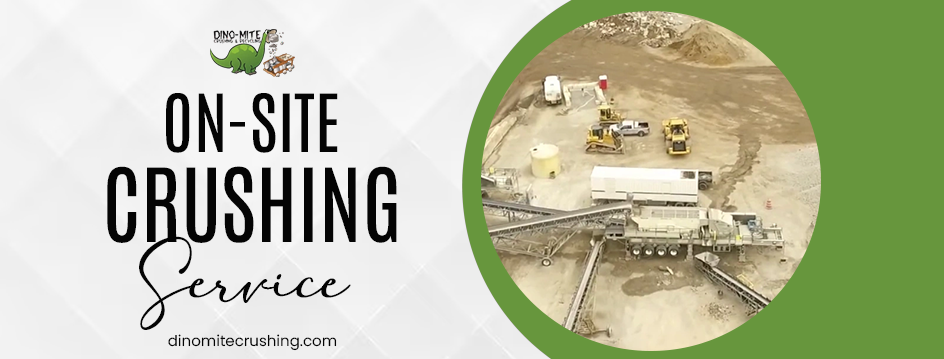
On-Site Crushing service

Conclusion

Efficient construction depends on reliable logistics, and material transportation services in Michigan remain at the center of this system. From delivering essential materials to supporting waste management, they ensure smooth project execution at every stage.

When combined with innovations like on-site crushing service, the entire construction workflow becomes faster, cleaner, and more cost-effective. As the industry evolves, these services will continue to play a critical role in shaping modern infrastructure development.

FAQs

What are material transportation services in Michigan used for?

They are used to move construction materials like sand, gravel, cement, and aggregates safely and efficiently to project sites, ensuring smooth workflow.

How do these services improve construction projects?

They reduce delays, ensure timely delivery, and help maintain continuous work by coordinating supply and site requirements effectively.

What role does on-site crushing play in logistics?

On-site crushing helps process construction waste directly at the site, reducing transport needs and improving material reuse efficiency.

 Are these transportation services suitable for large projects?

Yes, they are designed for both small and large-scale projects, including roadwork, residential, and commercial construction developments.

Do these services support sustainability?

Yes, they reduce fuel usage, minimize waste, and promote recycling, making construction operations more eco-friendly and cost-efficient.

eco friendly west management service in michigan

Top 5 Benefits of Choosing an Eco-Friendly Waste Management Company in Detroit

In a world increasingly burdened by pollution and resource scarcity, how we manage our waste can either add to the problem or become a part of the solution. For Detroit—a city rebounding from industrial decline and reinventing itself as a hub of innovation and resilience—eco-friendly practices aren’t just ideal; they’re essential. Among these practices, waste management plays a pivotal role. Whether you’re a business owner, contractor, or homeowner, the choice of a waste disposal company can significantly impact your carbon footprint, compliance standing, and even your bottom line. Opting for an eco-friendly waste management company in Detroit, MI is more than a green badge of honor—it’s a practical investment in the city’s future.

Opting for an eco-friendly waste management company in Detroit, MI is more than a green badge of honor—it's a practical investment in the city’s future.

Below, we explore the top five benefits of choosing environmentally responsible waste solutions in Detroit.

1. Environmental Preservation and Reduced Landfill Use

One of the most immediate benefits of choosing an eco-friendly waste management company in Detroit, MI is its positive impact on the environment. Traditional waste disposal often results in excessive landfill use, increased greenhouse gas emissions, and the loss of recyclable or reusable materials. Detroit’s landfills are finite, and every bit of diverted waste contributes to a longer lifespan for these sites.

Eco-conscious waste companies prioritize recycling, repurposing, and composting over dumping. For example, construction debris such as concrete, asphalt, and wood can be crushed and repurposed instead of taking up space in landfills. Similarly, e-waste like old computers and smartphones is processed in ways that extract valuable metals while safely disposing of hazardous components.

The cumulative impact is massive: fewer emissions, reduced soil and water contamination, and the conservation of natural resources. In a city like Detroit—bordered by important water bodies and home to urban green zones—these practices help maintain ecological balance and public health.

2. Regulatory Compliance and Reduced Legal Risks

Federal and state environmental laws are getting stricter by the year. Businesses that mismanage waste can face hefty fines, lawsuits, and reputational damage. In Michigan, the Department of Environment, Great Lakes, and Energy (EGLE) enforces several regulations on waste disposal, especially for hazardous and construction materials.

Choosing an eco-friendly waste disposal company ensures you remain compliant with all relevant environmental regulations. These companies often have in-house experts who stay updated on laws and guidelines, reducing the risk of non-compliance. They also provide detailed documentation on how your waste is handled, which is useful during audits or inspections.

For contractors, this is particularly vital. Projects that involve demolition or construction must adhere to guidelines concerning asbestos, lead paint, and recyclable building materials. Partnering with a certified waste management service in Detroit, MI minimizes the burden of legal oversight while keeping your operations above board.

3. Cost Savings Through Efficient Resource Management

Eco-friendly doesn’t always mean more expensive—in fact, it often translates into long-term cost savings. By recycling materials and reducing the amount of waste sent to landfills, businesses can cut down on tipping fees and transportation costs.

For instance, crushed concrete can be reused as aggregate for road construction, saving money on raw materials. Organic waste can be composted and later used for landscaping or sold as a product. Even electronics, once dismantled and processed, yield valuable metals like gold and copper, which can offset processing expenses.

Additionally, green waste management companies offer tailored plans that optimize collection schedules and reduce unnecessary pickups, lowering fuel and labor costs. Over time, these efficiencies add up, making sustainable waste management not just an ethical choice but a financially savvy one.

4. Improved Brand Image and Community Trust

Today’s consumers and clients are more environmentally aware than ever. Companies that integrate sustainability into their operations often enjoy stronger community relations, better customer loyalty, and a more compelling brand story.

When you align your operations with an eco-friendly waste management company in Detroit, MI, you signal that your business values responsibility—not just profit. This is particularly valuable in a community-oriented city like Detroit, where many consumers prefer to support businesses that contribute to the city’s revival and environmental health.

Green certifications, transparent waste reports, and participation in community recycling initiatives can be used in marketing materials, investor pitches, and CSR (Corporate Social Responsibility) reports. It’s a win-win: you get cleaner operations and stronger brand positioning.

5. Support for the Local Green Economy

When you choose a Detroit-based eco-friendly waste company, you’re not just managing waste—you’re also investing in the local economy. These companies create jobs, support green technology, and stimulate markets for recycled materials.

Detroit’s green economy is on the rise, driven by increased interest in sustainability, urban agriculture, and renewable energy. Eco-conscious waste companies often collaborate with local governments, schools, and nonprofits to promote education and innovation in waste handling. Supporting them contributes to a broader movement that is reshaping Detroit’s economic landscape in favor of sustainability and resilience.

Local green jobs—from drivers and technicians to engineers and community outreach specialists—help revitalize neighborhoods while reducing environmental degradation. Choosing a local waste management service in Detroit, MI thus keeps your dollars in the community while promoting clean growth.

Spotlight on Sustainability: Dino-Mite Crushing

At Dino-Mite Crushing, we don’t just manage waste—we redefine it.

As a trusted eco-friendly waste management company in Detroit, MI, we specialize in turning construction, demolition, and electronic waste into reusable resources. Through advanced crushing technologies, we repurpose concrete, asphalt, and other materials into high-quality recycled aggregates. This not only reduces landfill use but also lowers the demand for virgin materials.

We also take e-waste seriously. From discarded laptops to aging smartphones, we process electronic components in line with the highest environmental standards, ensuring hazardous substances never reach Detroit’s landfills.

But our commitment doesn’t end with operations. We’re passionate about community outreach, regularly partnering with schools, municipalities, and businesses to educate the public about responsible waste practices. We believe that a greener future starts with informed choices.

Our team works closely with clients to create tailored recycling plans, ensuring you meet your sustainability goals without compromising on efficiency or cost. With full transparency, regulatory compliance, and a shared mission to protect our environment, Dino-Mite Crushing is your reliable partner in sustainable waste management.

Choosing an eco-friendly waste management system

Conclusion

Detroit has always been a city of innovation, resilience, and reinvention. As it continues to evolve, sustainability must remain at the heart of its progress. Choosing an eco-friendly waste management company in Detroit, MI is not just an environmental decision—it’s a strategic one that touches every aspect of your business or home life.

From preserving natural resources and ensuring legal compliance to reducing costs, enhancing brand reputation, and supporting the local green economy, the benefits are clear and compelling.

Whether you’re a contractor tackling a large demolition job, a business navigating e-waste disposal, or a homeowner simply looking to do better by the planet, the right waste disposal company makes all the difference.

Make the switch to greener practices today. Choose a waste management service in Detroit, MI that shares your values. And if you’re looking for a partner that brings technology, transparency, and a passion for sustainability to every project—we at Dino-Mite Crushing are ready to help.

Let’s build a cleaner, more sustainable Detroit—one recycled material at a time.

waste management service in Michigan

The Future of Clean Construction: Waste Management Service in Michigan

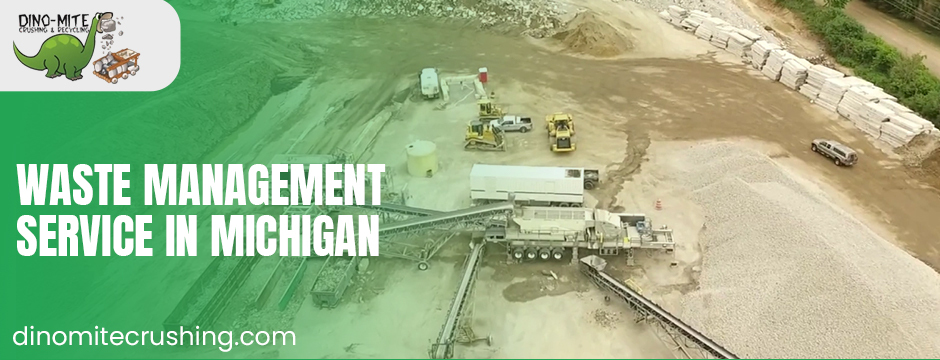
As Michigan’s construction industry continues to expand, the need for responsible waste handling has never been greater. A robust waste management service in Michigan not only prevents environmental harm but also supports sustainable growth by turning debris into resources. By adopting forward-thinking recycling and disposal practices, builders and site managers can reduce costs, conserve natural materials, and keep projects on schedule. In this blog, we’ll explore how modern waste management solutions—from advanced crushing technology to community outreach—are shaping the future of clean construction across the state.

waste management service in Michigan

1. The Role of Waste Management in Construction

Construction sites produce enormous amounts of materials like concrete, asphalt, metals, wood, and plastics. Without correct sorting and recycling, these materials end up in landfills and cause pollution and depletion of resources. A good waste management service in Michigan guarantees that every material stream is handled appropriately—concrete and asphalt are crushed into aggregates, metals are smelted, and wood is chipped for mulch, thus minimizing landfill burden and enabling a circular economy.

2. Complete Recycling Solutions

Top waste management service providers in Michigan offer end-to-end recycling solutions suitable for construction works. The companies receive concrete, asphalt, steel, plastics, and even mixed demolition waste. The services are sorted on‑site or at special facilities to ensure maximum material volume is recovered. For instance, reclaimed asphalt pavement is reprocessed into new road mix, while steel beams are shredded and recycled. This holistic system reduces waste, decreases disposal costs, and lowers the environmental impact of each construction.

3. State-of-the-Art Crushing Technology

Advanced crushing technology is the heart of contemporary clean construction. Leading-edge crushers can crush concrete and asphalt in the field and deliver high-quality recycled aggregate up to industry specifications. It makes it possible to avoid the hauling of large amounts of materials long distances and reduce the carbon footprint. With mobile crushing equipment, site managers can efficiently turn demolition rubble into functional base material for driveways, roadbeds, and foundations, showcasing how a waste management service in Michigan promotes both efficiency and sustainability.

4. Environmental Conservation through Waste Diversion

Redirecting construction and demolition debris from landfills is important to environmental preservation. Recycling each ton of material keeps greenhouse gases that would have resulted from new material manufacturing out of the environment. By working with innovative waste managers, builders maintain natural resources like limestone, gravel, and timber. Not only does this responsibility to resource conservation safeguard local habitats, but it also puts Michigan’s building industry in line with international green building practices and carbon-neutral aspirations.

5. Responsible E‑Waste Recycling

From generators and electronic controls to power tools and lighting systems, e-waste is a new challenge in construction environments. Hazardous elements—batteries, circuit boards, and mercury-containing lamps—demand special treatment. Professional eco-friendly waste management company partners in Michigan offer compliant e-waste recycling, disposing of or reclaiming toxic materials safely. The service protects worker health, avoids soil and water contamination, and assists with larger electronic recycling efforts.

6. Collaborative Partnerships for a Circular Economy

Creating a genuinely circular economy requires coordination between contractors, municipalities, and waste management companies. By communicating material volumes and streamlining recycling goals, stakeholders can create common protocols that facilitate collection and processing. A sustainable waste management business frequently collaborates with local government to create drop-off locations, pilot reuse programs, and outreach campaigns, creating a network that keeps valuable material in use and out of the dump.

7. Community Education and Outreach

Sustainable construction is half people, half technology. Leaders in the waste management service in Michigan work with the communities where they live, providing contractors, site laborers, and students with workshops. The workshops promote best practices, such as the segregation of waste, the identification of hazardous materials, and on‑site sorting methods that lower contamination rates in recycling streams. By educating people, these programs enable all Michigan construction projects to make their communities cleaner and more environmentally friendly job sites.

8. Individualized Recycling Strategies for Specific Projects

No two job sites are the same. From a high-rise city center to a country bridge construction to a home renovation project, a premium waste service in Michigan designs tailored plans based on project size, schedule, and material type. They detail container requirements, pickup frequencies, and on-site processing capabilities. Coordinating meticulously with project managers, waste partners optimize logistics to maintain clean work zones and meet local regulatory requirements.

9. Transparency and Regulatory Compliance

Reputable waste management companies value transparency and are strictly compliant with environmental controls. They deliver comprehensive reporting on the types of material, tons, and ultimate disposition, enabling contractors to record their green credentials. This information facilitates LEED certification, assists in achieving municipal diversion rates, and instills client trust. With clear channels of communication, any problems, like contaminated loads or delays at the dump, are highlighted and resolved promptly.

10. Economic Advantages of Sustainable Waste Management

In addition to environmental advantages, contemporary waste management can enhance project economics. On-site recycling minimizes hauling distances and disposal costs, and market demand for recycled aggregates frequently has lower costs than virgin materials. Reliable waste services with transparent, bundled pricing enable contractors to budget more effectively. Finally, incorporating a professional waste management service in Michigan into project planning increases profitability by reducing material expenses and preventing regulatory fines.

11. Future Outlook: Innovations and Growth

In the future, the contribution of waste management services in Michigan will grow with improvements in sorting technologies, AI‑based waste audits, and greater utilization of recycled content in construction materials. Legislative incentives and public demand for green infrastructure will also spur the adoption of sustainable practices. As the building industry adopts digital twins and BIM (Building Information Modeling), waste flows can be simulated and optimized before breaking ground, opening the door to a new age of precision logistics and a low environmental footprint.

12. Partner with Dinomite Crushing for Premier Recycling Solutions

Looking to take your project to the next level in sustainability? Dinomite Crushing provides state‑of‑the‑art recycling services to meet any construction requirement. From concrete and asphalt crushing to e-waste recycling, our advanced equipment and open-book operations guarantee maximum material reuse and environmental stewardship.

Conclusion: Adopting a Cleaner Tomorrow

Michigan’s clean construction future relies on effective, forward-thinking, and open waste management policies. When joined with advanced technology, sophisticated providers, socially responsible e-waste treatment, and local communication, the waste management component in the construction process can support all that is good while keeping costs lines under line. Having an available, sure-fire waste management service in Michigan in place at every job site isn’t intelligent yet—the best way to make a green, stronger framework of things in Michigan. Contact Dinomite Crushing today to create a custom recycling solution for your upcoming project and take a proactive step toward a greener, more sustainable Michigan.

asphalt price in Michigan

Cost‑Benefit Analysis: The True ROI of Incorporating Recycled Asphalt

Environmental stewardship and cost effectiveness go hand in hand in today’s infrastructure context. Incorporating recycled asphalt offers a pathway to substantial savings without compromising performance. With fluctuating asphalt price in Michigan, it’s more critical than ever for contractors and municipalities to understand the true return on investment of using reclaimed pavement materials. This comprehensive guide dives into the cost‑benefit analysis of recycled asphalt, revealing how upfront savings, lifecycle performance, and environmental dividends combine to deliver real ROI for projects of all scales.

asphalt price in Michigan

The Growing Importance of Sustainable Pavement Solutions

Traditional hot‑mix asphalt production relies heavily on quarrying and refining raw materials, processes that consume energy and generate greenhouse gases. Recycling asphalt diverts millions of tons of pavement from landfills each year, conserving natural aggregates and reducing the environmental footprint of road construction. As sustainability ratings and green‑building certifications become standard requirements, specifying recycled asphalt positions your organization at the forefront of eco‑conscious design. Beyond meeting regulatory mandates, recycled mixes demonstrate corporate responsibility and can bolster public support for infrastructure investments.

Understanding Recycled Asphalt (RAP)

Reclaimed Asphalt Pavement (RAP) is created by milling or removing existing asphalt pavements, then crushing the removed material to specified gradations. The resulting aggregates retain a portion of aged binder, which, when combined with fresh bitumen or rejuvenators, produces a viable mix that mirrors virgin hot‑mix asphalt. The key variables—RAP percentage, additive type, and mixing temperature—determine the final mix’s mechanical properties. By tailoring these parameters, engineers can match or exceed performance standards for base layers, surface courses, and specialty applications, all while capitalizing on the embedded value of the existing binder and aggregates.

The Rising Asphalt Price in Michigan and Its Impact

Over the past decade, the asphalt price in Michigan has experienced significant volatility, driven by crude oil fluctuations and regional supply constraints. The skyrocketing asphalt price also disrupted maintenance schedules, as agencies delayed repaving work to avoid peak cost periods. By integrating recycled materials, project planners can insulate budgets from market swings, ensuring more predictable expenditures and avoiding the need to defer critical road repairs.

Cost Components in Asphalt Production

Producing new asphalt involves several cost centers: raw aggregates, bitumen binder, energy for heating and mixing, transportation, and plant maintenance. Each component is sensitive to market conditions, particularly the bitumen, where crude oil prices have a direct influence. Relative to the average asphalt price in Michigan, RAP can deliver material cost reductions of 15–30%, depending on the percentage of reclaimed content and the distance to recycling facilities. Additional savings arise from lower energy consumption, as cold or warm mix RAP technologies require reduced heating temperatures compared to conventional hot‑mix production.

Benefits of Recycled Asphalt: Material Savings

The decrease in the need for new materials and binder is the largest direct economical benefit of recycled asphalt. High‑quality crushed RAP serves as both a filler and a partial binder source, diminishing the need for new materials. This price gap compared to the asphalt price in Michigan directly translates into per‑ton savings at the plant gate. Moreover, by sourcing local RAP, contractors can cut transportation costs and emissions. When aggregated across large‑scale resurfacing projects, these material savings can amount to hundreds of thousands of dollars per year.

Energy and Environmental Savings Driving ROI

Energy consumption in asphalt production accounts for a significant portion of overall emissions and operating costs. Cold and warm mix processes that incorporate RAP operate at lower temperatures, reducing fuel usage by 20–40%. With energy costs tied to asphalt price in Michigan, this efficiency lowers greenhouse gas output and shrinks the operational expenses of asphalt plants. The reduced carbon footprint can qualify projects for sustainability incentives and carbon credit programs, further boosting the project’s financial returns and public reputation.

Performance and Durability Considerations

Skeptics often question whether recycled asphalt can match the durability of virgin mixes. However, when quality control protocols for gradation, binder content, and compaction are rigorously applied, RAP‑enhanced pavements deliver comparable resistance to rutting, cracking, and moisture damage. Field studies indicate that properly engineered RAP sections often outperform traditional sections in stiffness and thermal fatigue resistance. Achieving this performance parity requires adherence to best practices in material handling and mix design, ensuring that recycled aggregates seamlessly integrate with fresh binders.

Influence on Project Timelines and Logistics

Logistics can be streamlined by incorporating recycled asphalt into a project. Many recycling facilities operate mobile plants near job sites, eliminating long hauls to central asphalt plants. Contractors can schedule milling, crushing, and repaving in quick succession—often completing complete reconstruction in a single extended shift. By avoiding delays associated with material shortages or plant downtime, teams sidestep premium charges linked to the asphalt price. Accelerated schedules also minimize traffic disruptions and allow agencies to reopen roads sooner, reducing indirect economic losses.

Quantifying Cost Savings vs. Conventional Hot‑Mix Asphalt

To assess true ROI, project managers must compare all-in costs of RAP mixes against standard HMA. When compared to the prevailing asphalt price in Michigan, RAP projects often show a 10–30% reduction in material and production expenses. Factoring in lower fuel costs, reduced haul distances, and fewer disposal fees. Lifecycle cost models that include maintenance and rehabilitation further increase these savings. By monetizing extended pavement life and reduced repair cycles, the case for recycled asphalt becomes overwhelmingly compelling.

Impact on Lifecycle Cost and Maintenance

Pavement lifecycle cost analysis (LCCA) examines expenses from construction through end-of-life rehabilitation. Recycled asphalt’s enhanced stiffness and moisture resistance translate to slower distress development, reducing routine maintenance needs like crack sealing and patching. Over a 20‑year horizon, LCCA models show RAP sections can require 15–25% fewer interventions. Understanding how recycled mixes mitigate increases in asphalt price in Michigan ensures that agencies lock in lower service costs and deliver longer-lasting roadways for the public.

Overcoming Initial Investment Barriers

Despite clear benefits, some stakeholders hesitate due to perceived upfront costs: specialized equipment, staff training, and mix‑design validation. However, mobile recycling units and third‑party contractors lower these barriers by offering turnkey solutions. Grants and low‑interest loans specifically target sustainable materials initiatives, further defraying initial outlays. For projects concerned about immediate budget impacts, phased adoption—starting with lower‑volume roads—can demonstrate value before scaling to high‑traffic corridors.

Policy Incentives and Grants in Michigan

Michigan’s commitment to green infrastructure translates into tangible incentives for recycled asphalt adoption. The state’s Transportation Asset Management Council (TAMC) offers performance‑based grants that reward high RAP usage. Additionally, clean‑energy funds subsidize warm‑mix RAP equipment purchases, accelerating plant upgrades. By tapping into these programs, agencies and contractors offset the influence of asphalt price in Michigan, freeing capital for complementary initiatives like bike lanes or pedestrian improvements.

Calculating True ROI: A Comprehensive Framework

A robust ROI analysis must integrate capital costs, operational efficiencies, material savings, and lifecycle benefits. Begin with baseline quotations using the current asphalt price for virgin HMA. Overlay RAP mix quotes—accounting for additives, energy differentials, and hauling distances. Incorporate projected maintenance schedules and cost differentials over a 20‑year design life. Finally, quantify environmental benefits in carbon‑credit or sustainability scoring terms. When all factors converge, most projects reveal ROI ratios exceeding 1.5× within the first decade, making recycled asphalt a financially strategic choice.

Future Outlook: Market Trends in Recycled Asphalt

Advances in mix‑design software, rejuvenating agents, and sensor‑driven plant controls are propelling recycled asphalt into the mainstream. As more states adopt mandates for minimum RAP percentages, economies of scale will drive down processing costs further. Although crude oil prices remain unpredictable, the buffering effect of recycled aggregates will continue to tame spikes in the asphalt price in Michigan, stabilizing budgets and encouraging wider adoption. In this evolving market, early adopters of high‑RAP mixes stand to gain the greatest competitive and fiscal advantages.

learn about the recycling concrete and asphalt cost Michigan

Final Thoughts

Incorporating recycled asphalt is not just an environmental imperative—it’s a sound financial strategy. By offsetting volatile asphalt price in Michigan, cutting energy use, and extending pavement life, RAP delivers quantifiable ROI that outpaces traditional hot‑mix approaches. Rigorous quality control, supportive policy frameworks, and real‑world successes in Michigan underscore the viability of high‑RAP projects. As infrastructure demands grow and sustainability goals tighten, recycled asphalt will remain a cornerstone of cost‑effective, green construction, benefiting contractors, taxpayers, and the planet alike. So, if you remain interested to learn about the recycling concrete and asphalt cost Michigan for your construction projects, you must visit our website, Dino-Mite Crushing, today! 

1. Best Couple therapist in kozhikode_

The Cost of Delays in Construction: How Reliable Material Transportation Saves Time and Money

Construction projects, whether residential, commercial, or industrial, require precision, coordination, and efficiency. However, even with meticulous planning, one factor can significantly derail timelines and budgets—delays. Among the myriad causes of delays in construction, unreliable material transportation stands out as a major contributor. In this blog, we will explore the tangible and intangible costs of delays in construction and highlight how dependable material transportation services in Michigan and across the USA can be a game-changer for your project.

The True Cost of Construction Delays

Construction delays have ripple effects that go far beyond the immediate inconvenience of a missed deadline. Below, we break down the costs into key categories to illustrate the impact:

1. Financial Losses

Time is money in the construction industry. Delays often mean extended labor costs, increased equipment rental fees, and potential penalties for failing to meet project deadlines. According to industry reports, construction delays can increase project costs by as much as 20-30%. This is especially true when transportation of critical materials like concrete, aggregates, or asphalt is delayed, halting progress on-site.

2. Reputational Damage

For contractors and construction companies, reputation is everything. Failing to deliver on time can lead to unhappy clients and negative reviews. Reliable material transportation services in Michigan can ensure that your materials arrive on schedule, helping you maintain trust with clients and stakeholders.

3. Missed Opportunities

Delays in one project often have a domino effect, preventing contractors from taking on new projects. This loss of opportunity can significantly hinder business growth, especially for small and medium-sized construction firms.

4. Increased Risk of Material Deterioration

Some construction materials are time-sensitive. For example, ready-mix concrete has a short shelf life once it’s prepared. A delay in transportation can render such materials unusable, leading to waste and added costs. Similarly, improper handling during waste material transport USA can increase disposal expenses or create compliance issues with environmental regulations.

The Importance of Reliable Material Transportation

Reliable material transportation is the backbone of any successful construction project. Without it, even the most well-laid plans can go awry. Here’s how dependable transportation saves time and money:

1. Timely Deliveries Keep Projects on Schedule

In construction, materials like aggregates, asphalt, and concrete are often required in precise quantities at specific times. A delay in their arrival can bring work to a standstill, causing costly downtime for workers and equipment. Reliable material transportation ensures that your project flows smoothly, minimizing interruptions.

2. Reduction in Wastage

Efficient transportation services not only ensure timely delivery but also help in handling materials correctly, reducing losses due to spoilage or damage. For instance, companies offering material transportation services in Michigan often have specialized vehicles to safely transport fragile or time-sensitive materials like asphalt or concrete.

3. Improved Budget Control

Reliable transportation services provide accurate cost estimates and transparent pricing, helping project managers maintain control over their budgets. This predictability allows for better financial planning, avoiding unexpected costs that could derail the project.

4. Eco-Friendly and Compliant Solutions

Modern transportation services, especially those involved in waste material transport USA, focus on eco-friendly practices. They comply with environmental regulations, ensuring that materials are transported and disposed of responsibly. This not only saves companies from potential legal penalties but also contributes to their sustainability goals.

5. Minimized Labor Downtime

When materials arrive on time, workers remain productive. On the contrary, delays often lead to idle labor, which still needs to be paid for. Reliable material transportation eliminates this downtime, ensuring maximum productivity.

Key Features of a Reliable Material Transportation Service

Not all transportation services are created equal. When choosing a provider, look for these essential features:

Fleet Capability: The company should have a versatile fleet equipped to handle a variety of materials, from aggregates to hazardous waste.

Experienced Drivers: Skilled drivers who understand the nuances of transporting different materials ensure safety and timeliness.

Real-Time Tracking: Modern GPS systems allow clients to track deliveries in real-time, ensuring transparency.

Flexibility: Look for services that can accommodate last-minute changes in schedules or material requirements.

Sustainability Practices: Companies committed to eco-friendly solutions provide added value by minimizing environmental impact.

How to Avoid Transportation-Related Delays

To mitigate the risks associated with unreliable material transportation, consider the following tips:

Plan Ahead

Anticipate material requirements for each phase of your project and schedule deliveries accordingly.

Work with Reputable Providers

Choose transportation companies with a proven track record, like Dino-Mite Crushing, that prioritize timeliness and customer satisfaction.

Communicate Effectively

Maintain open lines of communication with your transportation provider to address any potential issues before they escalate.

Dino-Mite Crushing: Your Partner in Reliable Material Transportation

At Dino-Mite Crushing, we understand that timely and efficient material transportation is critical to the success of your construction project. That’s why we have built our services around reliability, flexibility, and customer satisfaction.

Whether you need material transportation services in Michigan or are dealing with waste material transport USA, we have the expertise, fleet, and technology to meet your needs. Our team works closely with you to schedule deliveries, ensuring your materials arrive exactly when and where you need them.

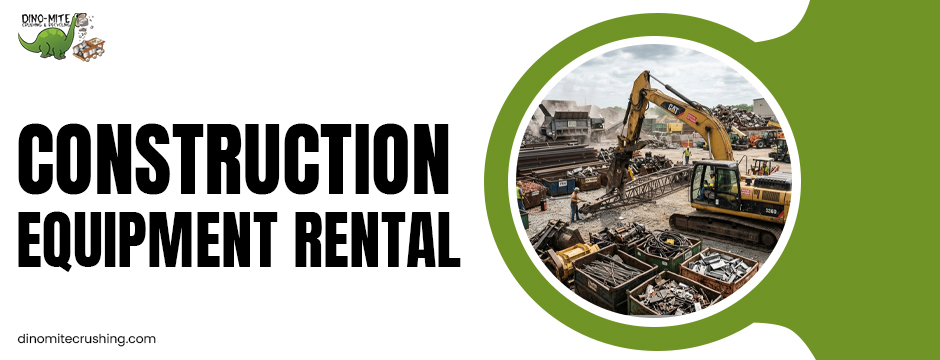
In addition to transportation, we also provide a comprehensive range of services, including on-site crushing, recycling, and equipment rental. These integrated solutions make us a one-stop shop for all your construction material needs. At Dino-Mite Crushing, we take pride in not just meeting expectations but exceeding them, helping you save time, money, and effort on every project.

Conclusion

Delays in construction are costly, both financially and reputationally. Reliable material transportation is a critical factor in avoiding these setbacks, ensuring your project stays on schedule and within budget. From delivering critical materials to managing debris disposal, dependable transportation services form the backbone of successful construction projects.

By partnering with trusted providers like Dino-Mite Crushing, you gain access to a full suite of solutions designed to streamline your operations. With timely deliveries, eco-friendly practices, and a commitment to quality, Dino-Mite Crushing helps you minimize delays, reduce costs, and achieve your construction goals efficiently.

Invest in reliable material transportation today and see the difference it makes to your construction projects. After all, saving time and money starts with choosing the right partner.

Artboard 8 (3)

Choosing the Right Concrete Crushing Machine: A Comprehensive Guide

Concrete crushing machines are essential tools in the construction and demolition industry. They help break down large chunks of concrete into smaller, reusable materials, making them a crucial component in sustainable construction practices. Selecting the right concrete crushing machine can significantly impact your project’s efficiency, cost-effectiveness, and environmental footprint. In this guide, we’ll explore the factors you should consider when choosing a concrete crushing machine, the different types available, and why Dino-Mite Crushing is your go-to partner for all your concrete crushing needs.

Understanding Concrete Crushing Machines

Concrete crushing machines are specialized equipment designed to break down concrete into smaller, manageable sizes. These machines use powerful jaws or impact forces to crush concrete into aggregates that can be recycled and reused for various construction applications.

Key Factors to Consider When Choosing a Concrete Crushing Machine

1. Type of Crushing Machine

Concrete crushing machines come in different types, each suited for specific applications. The three primary types are:

  • Jaw Crushers – These are ideal for primary crushing and can handle large pieces of concrete. They operate by applying pressure between a stationary jaw and a movable jaw to crush the material.
  • Impact Crushers – These are best for secondary crushing and produce finely crushed material by using impact force.
  • Cone Crushers – These machines provide high efficiency for secondary and tertiary crushing, ensuring a more uniform final product.

2. Production Capacity

Different projects require different production capacities. If your project involves large-scale demolition or recycling operations, you’ll need a machine with higher throughput capacity.

3. Portability and Mobility

If you need to move your crushing operations from site to site, consider a mobile concrete crushing machine. Portable crushers offer flexibility and convenience, making them ideal for on-site crushing.

4. Energy Efficiency

Energy consumption is a crucial factor. Machines with high efficiency reduce operational costs and minimize environmental impact.

5. Size and Feed Opening

The size of the feed opening determines the maximum concrete chunk size the machine can handle. Ensure the machine’s feed size aligns with your project requirements.
6. Maintenance and Ease of Operation

Look for machines with user-friendly controls and low maintenance requirements. Some models come with automated features that simplify the crushing process.
7. Cost and Budget

Concrete crushing machines vary in price depending on size, features, and capacity. Set your budget and choose a machine that offers the best balance of cost and performance.

8. Environmental Considerations

Sustainable construction practices require equipment that minimizes dust, noise, and emissions. Choose a machine that adheres to environmental regulations and contributes to eco-friendly construction.

Types of Concrete Crushing Machines in Detail

Jaw Crushers

Jaw crushers are widely used for primary crushing. They work by using two heavy-duty jaws to compress the material. They are known for their durability and efficiency, making them ideal for handling large volumes of concrete.

Impact Crushers

Impact crushers use high-speed rotors to break concrete into smaller pieces. These machines are perfect for producing finely crushed material suitable for road construction and other projects requiring compact aggregates.

Cone Crushers

Cone crushers are commonly utilized for secondary and tertiary crushing processes. They produce well-shaped aggregates and provide excellent efficiency in crushing operations.

Mobile Crushers

Mobile crushers are versatile machines that can be transported to various sites. These units offer on-the-go crushing capabilities and reduce the need for hauling debris to off-site locations.

Best Practices for Using Concrete Crushing Machines

To maximize the efficiency of your concrete crushing machine, follow these best practices:

  • Properly size the material – Avoid overloading the machine by feeding it appropriately sized concrete chunks.
  • Regular maintenance – Routine checks and servicing help prevent unexpected breakdowns.
  • Use correct settings – Adjust the machine settings based on the desired output size.
  • Implement safety measures – Ensure operators follow safety protocols to prevent accidents.

Why Choose Dino-Mite Crushing?

At Dino-Mite Crushing, we take pride in offering top-notch concrete crushing services. We understand the importance of choosing the right equipment for your project, and our team is here to guide you through the process. Our fleet includes a variety of high-performance concrete crushing machines tailored to meet different project needs.

In addition to concrete crushing, we provide comprehensive services such as transportation, construction sweeping service in Michigan, and on-site crushing. Our commitment to sustainability ensures that we prioritize recycling and eco-friendly construction practices. Whether you need mobile crushers for on-site work or high-capacity machines for large-scale projects, we’ve got you covered.

Conclusion

Choosing the right concrete crushing machine is a critical decision that impacts your project’s efficiency and overall success. By considering factors such as machine type, production capacity, portability, and environmental impact, you can make an informed choice. At Dino-Mite Crushing, we provide expert advice and high-quality equipment to help you achieve the best results. Contact us today to learn more about our services and how we can assist with your concrete crushing needs.