construction industry in michigan

Construction Industry in Michigan: Top Services for Builders

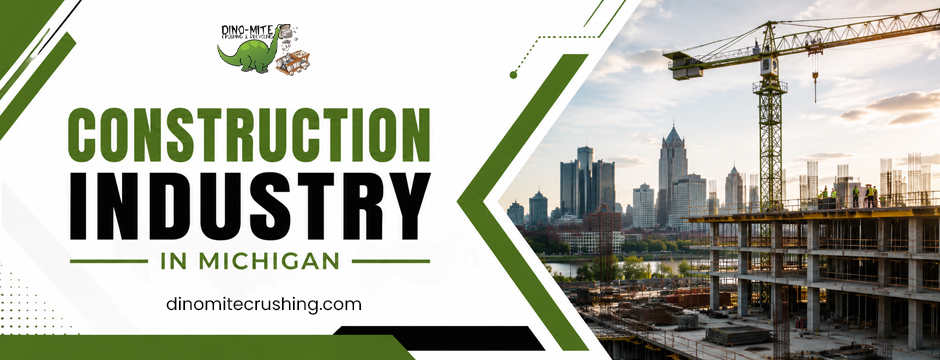
Michigan construction projects rarely fail because of one dramatic mistake. More often, trouble starts with small gaps in planning: a delayed aggregate delivery, poorly managed debris, or equipment arriving too late. Understanding the services supporting the construction industry in Michigan helps builders control costs, protect schedules, and make better material decisions.

From material supply and mobile crushing to transportation, recycling, dumping, and equipment rental, contractors have several ways to improve efficiency. The key is knowing which service fits the job and when to use it.

What Builders Need From the Construction Industry in Michigan

A construction site depends on more than labor and machinery. Materials must arrive in the right quantity. Waste must leave safely. Reusable resources should be processed properly. Heavy equipment needs dependable transportation.

These tasks are closely connected. For example, a demolition project may generate concrete and asphalt that can be crushed on-site. The resulting aggregate may then be reused for grading or another suitable application. This can reduce hauling requirements and keep usable material in circulation.

However, every project has different site conditions, quantities, specifications, and local requirements. Builders should evaluate services according to the actual scope of work rather than choosing an option based only on price.

Top Services Supporting Michigan Builders

1. Construction Material Supply

Reliable material supply is one of the foundations of a well-managed project. Builders may need concrete, cement, aggregates, sand, gravel, soil, topsoil, and other materials at different stages.

A dependable supplier should provide clear specifications and predictable delivery. That matters when crews are scheduled around a concrete pour, grading operation, or site preparation task.

Before ordering, confirm the material type, quantity, size, delivery location, and intended use. For aggregate, verify that the material suits the application. A low price has little value if the product fails to meet project requirements.

2. On-Site Crushing

On-site crushing is useful when a project produces large amounts of concrete, asphalt, brick, stone, or similar material.

Portable crushing equipment can be brought directly to the jobsite. Instead of hauling every load to an off-site facility, suitable material can be processed where it is generated. This can reduce truck trips and simplify site logistics.

For concrete construction MI, on-site crushing may also support material reuse when processed aggregate meets required specifications. Contractors should confirm engineering requirements before incorporating recycled material into a particular application.

3. Recycling Services

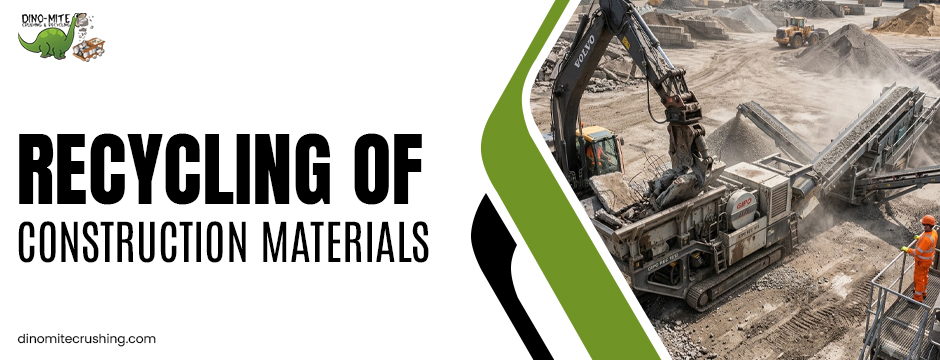
Construction and demolition generate significant quantities of recoverable material. Recycling services help separate this waste from material that genuinely requires disposal.

Concrete and asphalt are particularly suitable for recycling when they can be processed into usable aggregate. Metals may also be recovered, while other materials require different handling methods.

The benefit is not simply environmental. Recycling can improve material management and reduce dependence on virgin resources. Furthermore, documented recycling can help project teams understand where waste goes and how much material is diverted.

4. Dumping Site Services

Not everything from a construction site can be reused. Some debris must be transported to an appropriate disposal location.

A dedicated dumping site can simplify this part of the workflow. Builders can bring accepted construction and demolition materials to a centralized facility instead of arranging multiple disposal destinations.

Before making a trip, ask what materials are accepted, whether loads require separation, what documentation is needed, and how charges are calculated. These details help prevent rejected loads and unexpected costs.

5. Transportation and Hauling

Material movement is a major part of construction logistics. Trucks may be needed to deliver aggregates, sand, gravel, recycled materials, water, equipment, or machinery.

Good transportation planning starts before the truck arrives. Consider access roads, delivery windows, turning space, site conditions, load requirements, and unloading procedures.

Consequently, a transportation provider should understand construction logistics rather than simply moving cargo between addresses. Coordinated scheduling can keep crews productive and reduce idle time.

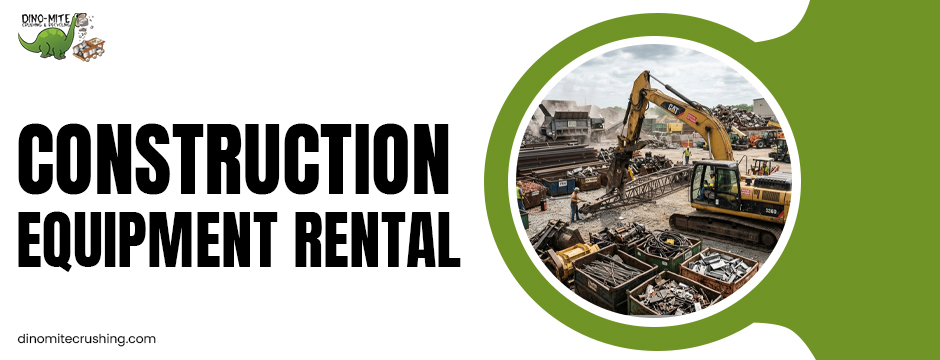
6. Equipment Rental

Buying every machine required for a short-term project is rarely practical. Equipment rental gives contractors access to specialized tools without committing capital to long-term ownership.

Depending on the project, rental needs may include water trucks, sweeping equipment, crushers, and other construction machinery. The right equipment can improve site preparation, dust control, cleanup, and material processing.

Before renting, check the machine’s capacity, operating requirements, availability, delivery arrangements, and expected working conditions. Operators should also understand applicable safety procedures.

How to Select the Right Service

The best service depends on the project’s material flow and schedule.

Start by identifying what enters the site, what is generated during construction, and what leaves the site. Then map each material to its intended destination. This simple exercise can reveal opportunities for recycling, on-site processing, or consolidated hauling.

For example, a demolition contractor may have concrete available in large quantities. Crushing it near the project could make more sense than repeatedly transporting it elsewhere. A new-build contractor, meanwhile, may place greater emphasis on scheduled aggregate deliveries and equipment availability.

For concrete construction MI, specifications should remain the priority. Recycled aggregate can be valuable, but its suitability depends on the application, required performance, and project specifications.

Practical Ways to Improve Construction Logistics

Plan Material Quantities Early

Accurate quantity estimates reduce emergency deliveries and excess material. Keep records as the project develops because site conditions can change.

Separate Recyclable Materials

Mixed debris is harder to process efficiently. Where practical, separate concrete, asphalt, metals, and other recoverable materials at the source.

Coordinate Trucks With Site Activity

A truck that arrives too early can wait. One that arrives too late can hold up a crew. Delivery windows should match actual site readiness.

Review Disposal Requirements

Do not assume every facility accepts every type of debris. Confirm requirements before loading trucks.

Track Costs by Material Stream

Separate spending for new materials, transportation, recycling, disposal, and equipment. This makes it easier to identify where savings may be possible.

Sustainability Is a Practical Construction Advantage

Sustainable construction is not limited to environmentally friendly products. It also involves reducing unnecessary hauling, recovering usable materials, and making efficient use of existing resources.

Crushing and recycling can turn selected construction debris into useful aggregate. Fewer transport movements can also reduce fuel use associated with moving material. These measures should be evaluated against technical specifications and project economics.

The construction industry in Michigan is supported by an interconnected network of suppliers, recyclers, haulers, disposal facilities, and equipment providers. Builders who coordinate these services carefully can create a cleaner and more predictable workflow.

Questions Builders Should Ask

What materials do you handle?
Confirm accepted materials and product specifications before committing to a supplier or recycling service.

Can services be customized?
Ask whether quantities, delivery schedules, crushing requirements, or waste plans can be adjusted to the project.

How are transportation costs calculated?
Clarify whether pricing depends on distance, load size, frequency, equipment, or other factors.

What happens to recyclable material?
A clear answer helps contractors evaluate environmental performance and material recovery.

Are operations compliant with applicable requirements?
Ask about relevant safety, environmental, and disposal procedures.

What This Means for Builders

The modern construction industry in Michigan requires more than skilled crews and quality materials. Efficient projects depend on coordinated material supply, processing, transportation, recycling, disposal, and equipment access.

The right combination can reduce avoidable delays and improve control over project resources. However, services should always be selected according to specifications, site conditions, safety requirements, and budget.

Your Trusted Partner for Concrete Construction MI

Dino-Mite Crushing is a dependable partner for contractors seeking quality materials and practical construction solutions. From recycled concrete and aggregates to mobile on-site crushing, dumping, transportation, and equipment rentals, our services support projects from preparation through completion. 

With a strong focus on reliability, sustainability, and responsive service, we help builders manage materials efficiently and reduce unnecessary waste. For concrete construction MI, choose a team committed to delivering flexible solutions that align with your project’s requirements and schedule.

Final Thoughts 

In conclusion, builders can gain a practical advantage by treating construction support services as part of project planning rather than as last-minute solutions. With careful coordination, waste can become a resource, transportation can become more predictable, and equipment can be matched to actual needs.

For builders seeking one partner for construction materials, recycling, on-site crushing, dumping, transportation, and equipment rental, Dino-Mite Crushing offers a practical way to coordinate these needs and keep projects moving efficiently.

material transportation services michigan

Your Complete Business Guide On Material Transportation Services Michigan

The success of building ventures relies on factors beyond just expert labor and high-grade resources. They also need a reliable way to move aggregates, equipment, machinery, and waste between locations. A delay in transportation can affect several stages of a project at once. That is why Material transportation services Michigan are an important part of construction planning.

From sand and gravel to recycled aggregates and heavy machinery, each load requires the right vehicle, route, and handling method. Furthermore, transportation needs can change as a project moves from excavation to construction and cleanup. Understanding these services can help contractors plan better, control costs, and avoid unnecessary delays.

material transportation services michigan

What Are Material Transportation Services?

Material transportation covers the movement of construction-related materials and equipment from one location to another. This may include transporting aggregates from a crushing facility to a jobsite, moving machinery between projects, or removing construction debris.

The process is not simply about loading a truck and driving to the destination. Load type, quantity, distance, road conditions, equipment requirements, and delivery schedules all need consideration.

For example, loose aggregate may require a suitable dump truck, while heavy machinery may need specialized transportation equipment. Consequently, choosing the right transport method is essential for safe and efficient project operations.

Material Transportation Services Michigan for Construction Projects

Material transportation services Michigan can support residential, commercial, roadwork, demolition, and other construction activities.

Aggregate and Material Delivery

Aggregates are widely used for foundations, road bases, drainage systems, concrete production, and landscaping. Common materials include sand, gravel, crushed stone, and recycled aggregates.

Reliable delivery helps contractors maintain a steady supply at the jobsite. Instead of storing excessive quantities, materials can be scheduled according to project requirements. This can improve site organization and reduce unnecessary handling.
Equipment and Machinery Transportation

Construction equipment often needs to move from one project to another. Excavators, crushers, loaders, and other machinery can be difficult to relocate without appropriate transportation resources.

A professional transportation provider assesses the size and weight of the equipment before determining the suitable vehicle. Access conditions also matter. Narrow roads, low clearances, weight restrictions, and difficult entrances can influence the transportation plan.

Why Timely Delivery Matters

Construction schedules are closely connected. If a required material does not arrive on time, crews may have to wait. That can affect labor costs, equipment use, and subsequent activities.

This is why Material transportation services Michigan should be evaluated based on reliability as well as price. A dependable provider should understand delivery windows and communicate clearly when circumstances change.

For larger projects, scheduled deliveries can help maintain workflow. Just-in-time transportation may also reduce the need for excessive material storage at the site.

How Transportation Planning Works

Good transportation begins before the truck reaches the jobsite.

Assessing the Load

The first step is identifying what needs to be transported. The material type, volume, weight, and dimensions determine the appropriate transportation method.

Heavy or oversized equipment may require different handling than loose aggregates. Accurate information also helps prevent problems caused by an unsuitable vehicle.

Planning the Route

Choosing the most direct path does not guarantee the most efficient travel. Transportation planners may need to consider bridge clearances, road restrictions, traffic patterns, construction zones, and access to the destination.

For larger loads, these details become particularly important. A route that works for a passenger vehicle may not be practical for a heavily loaded construction truck.

Coordinating Delivery

Communication between the contractor and transportation provider is equally important. Delivery times should match site readiness, available unloading space, and the project’s working schedule.

Furthermore, changes should be communicated quickly. A well-coordinated delivery reduces confusion and keeps material movement predictable.

The Role of On-Site Crushing

Not every construction project needs to transport waste away from the site. Concrete, asphalt, bricks, and stones can sometimes be processed where they are generated.

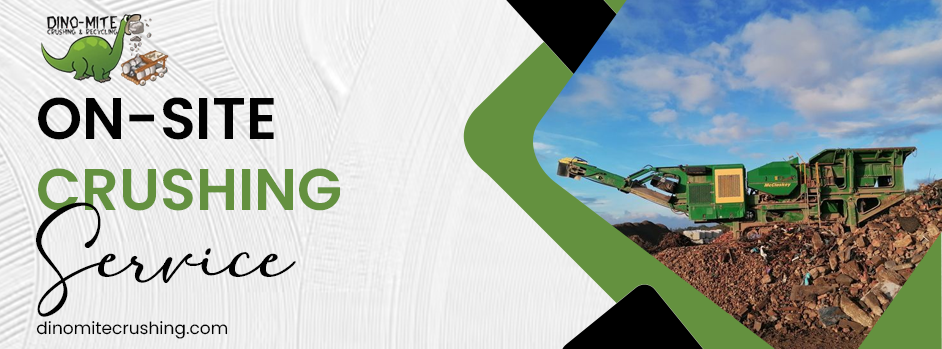
An on-site crushing service brings portable crushing equipment directly to the project. Materials can then be processed into reusable aggregate instead of being transported to an off-site facility.

This approach can reduce hauling requirements and may lower disposal and material purchasing costs. It can also support recycling goals by giving suitable construction waste another useful purpose.

Cost Factors to Consider

The cost of transportation depends on several factors. Distance is one consideration, but it is not the only one.

Load size, material type, vehicle requirements, delivery frequency, access conditions, and special handling can all influence the final cost. Heavy or specialized loads may require additional planning.

Therefore, contractors should request clear pricing before transportation begins. A transparent quote makes it easier to prepare an accurate project budget.

It is also useful to compare the cost of transportation with alternative options. In some situations, processing material at the project location through an on-site crushing service may reduce hauling and disposal expenses.

Safety During Material Transportation

Construction transportation involves moving heavy loads around workers, equipment, public roads, and active job sites. Safety should therefore remain a central consideration.

Loads need to be properly contained or secured according to their type. Vehicles should also be suitable for the weight and dimensions being carried.

Drivers and operators must remain aware of changing site conditions. Clear communication with site personnel can help prevent conflicts during loading and unloading.

For specialized equipment, proper loading procedures are particularly important. Incorrect positioning or inadequate securement can create serious risks during transit.

Environmental Benefits of Better Transportation

Transportation planning can also support environmental goals. Efficient routing may reduce unnecessary fuel consumption and travel time.

Recycling construction materials can provide another environmental advantage. Instead of sending suitable concrete or asphalt directly to disposal facilities, an on-site crushing service can process these materials for potential reuse.

Recycled aggregates may be suitable for certain applications depending on project specifications and applicable requirements. This can reduce reliance on newly sourced materials while making productive use of construction waste.

Choosing the Right Transportation Provider

When comparing Material transportation services Michigan, look beyond the basic delivery price.

First, check whether the provider has vehicles suitable for your materials or equipment. Next, consider experience with construction projects and specialized loads.

Ask about delivery scheduling, safety practices, insurance, and communication procedures. For larger projects, the provider should be able to coordinate multiple deliveries without creating unnecessary disruption.

It is also worth considering whether the company offers related services. A provider that can support material transportation, waste removal, crushing, or equipment movement may simplify project logistics.

Common Mistakes to Avoid

One common mistake is providing inaccurate information about the load. Incorrect dimensions or quantities can result in unsuitable equipment and scheduling problems.

Another mistake is waiting until the last minute to arrange transportation. Construction schedules can change quickly, but planning gives providers more opportunity to organize the right resources.

Finally, do not select a provider based only on the lowest quote. Reliability, safety, equipment suitability, and communication can have a much greater effect on the actual project cost.

Keep Your Construction Logistics Moving

At Dino-Mite Crushing, we help construction teams manage material transportation with dependable, practical solutions. We transport aggregates, construction materials, equipment, machinery, and project waste while focusing on safe handling and timely delivery. Our services can also support recycling needs through on-site crushing, helping reduce unnecessary hauling and disposal. 

We understand that every project has different logistics requirements, so we work around your schedule, load, and site conditions. Choose us for efficient transportation and crushing support.

On-Site Crushing service

Conclusion

Effective construction logistics depend on keeping materials, machinery, and waste moving at the right time. Material transportation services Michigan can help contractors coordinate these activities while supporting safer and more organized jobsites.

Before choosing a provider, assess your load, delivery schedule, route requirements, equipment needs, and budget. Also consider whether recycling or on-site processing could reduce unnecessary hauling.

For construction companies seeking dependable transportation, material handling, recycling, and crushing support, Dino-Mite Crushing offers solutions designed around practical project requirements. Contact us to discuss your material transportation needs and find a suitable approach for your next construction project.
FAQs

1. What do material transportation services include?
They can include transporting aggregates such as sand, gravel, crushed stone, and recycled materials. Services may also cover construction equipment, machinery, and project-related waste. The right transportation method depends on the load’s size, weight, type, and destination.

2. How can timely material delivery benefit my project?
Timely deliveries help prevent work stoppages and keep construction activities moving according to schedule. Proper delivery coordination can also reduce unnecessary onsite storage and improve overall project organization.

3. What factors affect transportation costs?
Distance, load size, material type, vehicle requirements, delivery frequency, site access, and special handling can all affect transportation costs. Requesting a transparent quote helps with accurate budgeting.

4. Can construction waste be processed at the jobsite?
Yes. Suitable materials such as concrete, asphalt, bricks, and stones can potentially be processed using an on-site crushing service, reducing hauling and disposal requirements.

5. How should I choose a transportation provider?
Consider equipment suitability, construction experience, scheduling reliability, safety practices, insurance, communication, and pricing. A provider offering related services can also simplify project logistics.

Construction Materials Supply in michigan

How to Choose the Right Construction Materials for Your Michigan Project?

Every successful construction project begins with the right materials. Whether you are working on a residential build, commercial development, road project, or site improvement, the materials you select can influence the strength, efficiency, and overall progress of the work.

Choosing construction materials supply in Michigan is not simply about finding products at a competitive price. You also need to consider material quality, quantity, delivery requirements, project specifications, and sustainability. When these factors are handled properly, your team can plan with greater confidence and avoid unnecessary delays.

Furthermore, a reliable material supplier can support your project beyond basic product availability. From aggregates and concrete to recycled materials and specialized construction products, having access to the right resources can make the procurement process more convenient.

This guide explains what to consider when sourcing construction materials in Michigan and how related services can support different project requirements.
Construction Materials Supply in michigan

What Should You Look for in a Construction Material Supplier?

Not every construction project requires the same materials. Therefore, the first step is finding a supplier that can accommodate your specific needs.

A Wide Selection of Materials

A broad product range gives you more flexibility when planning your project. Depending on the work involved, you may need aggregates, concrete, cement, asphalt millings, concrete sand, or other construction products.

Some projects may also require materials such as topsoil, recycled aggregates, concrete pipes, or concrete structures. Having access to multiple material options from one source can simplify purchasing and coordination.

For example, the available material list includes 21AA crushed concrete, 1” x 3” crushed concrete, 21AA asphalt millings, concrete sand, and cold patch. Concrete pipe and concrete structures are also available for specific requirements.
Consequently, reviewing the available product range before ordering can help you determine whether a supplier is suitable for your project.

Construction Materials Supply in Michigan: Key Factors to Consider

When arranging construction materials supply in Michigan, it is important to look beyond the material itself. The purchasing process should also match your project’s schedule and specifications.

Material Quality

Construction materials must be appropriate for their intended use. Quality is especially important when materials contribute to the structure or performance of a project.

A dependable supplier should provide clear information about the materials available. This helps contractors and project managers make decisions based on their specific requirements.
Quantity Requirements

Ordering too little material can interrupt work. On the other hand, ordering more than necessary can create avoidable costs and storage challenges.

Before placing an order, determine how much material your project requires. A material calculator can also help estimate the total yards needed based on dimensions such as length, width, and depth.

Delivery Location

The delivery location is another important consideration. Material needs can vary between residential, commercial, and larger construction projects.

When requesting a quote, provide the delivery location along with the material and quantity needed. This gives the supplier useful information for understanding your requirements.

Why Recycled Construction Materials Can Be Valuable?

Sustainability is becoming an important consideration in construction. Recycled materials can provide another option for projects that need suitable construction resources while supporting responsible material use.

Recycling services may process materials such as concrete, asphalt, dirt, topsoil, brick, block, stone, and construction debris. These materials can be handled as part of recycling and crushing operations, depending on the specific service requirements.

Recycled Aggregates for Construction

Concrete and asphalt can be processed into recycled aggregates. This approach helps repurpose materials that might otherwise require disposal.

For construction companies, recycling can also support more efficient material management. Instead of treating every removed material as waste, suitable materials may be processed and reused.

Furthermore, recycling construction materials can contribute to reducing the demand for virgin resources.

How Crushing Services Support Construction Projects?

Crushing is an important part of material processing. Mobile, on-site crushing services can be designed around project specifications and may provide an efficient option for handling certain construction and demolition materials.

For example, a project that generates concrete or asphalt waste may benefit from crushing services that process these materials for potential reuse.

This is where crushing & recycling services in Michigan can become a practical part of project planning. It connects material management with recycling and resource recovery, helping construction teams handle certain materials more efficiently.

On-Site Crushing

On-site crushing can be particularly useful when materials are generated directly at a construction or demolition location. Mobile crushing services can be adapted to the project’s specific requirements.

However, the suitability of on-site crushing depends on the materials involved and the needs of the project. Discussing these details in advance helps determine the right approach.

Construction Material Delivery and Transportation

Getting the right material is only one part of the process. It must also reach the project location when it is needed.

Transportation services can help move construction materials to their required destination. Pickup services are also available for customers who need assistance transporting materials.

When planning delivery, provide accurate details about the material, quantity, and location. Additionally, share any special instructions that may affect the order.

Timely material delivery can help construction teams maintain their workflow. Consequently, coordinating material orders with the project schedule is an important part of effective planning.

How to Manage Construction Waste Responsibly?

Construction projects can generate different types of waste. Broken concrete, asphalt, dirt, brick, block, stone, and construction debris may need an appropriate disposal or recycling solution.

A dedicated dumping site can provide a place to dispose of certain materials responsibly. Pickup options may also be available when customers do not have suitable transportation.

However, responsible waste management begins with identifying the materials involved. Separating and describing materials accurately can help determine the appropriate disposal or recycling route.

This approach can also support better project organization. Instead of allowing unwanted materials to accumulate on-site, teams can plan their removal as part of the overall project schedule.

Combining Material Supply, Recycling, and Equipment Support

Construction projects often require more than materials alone. Depending on the work, contractors may also need equipment and site support.

Construction equipment rental options can include excavators and loaders. Sweeping units can help maintain cleaner work areas, while water trucks can support dust control and other water-related site requirements.

Therefore, a supplier offering multiple construction-related services can provide practical convenience. It allows project teams to coordinate different requirements based on the work being performed.

For businesses looking for construction material supplies in Michigan, this broader service approach can make project planning easier. Instead of managing every requirement separately, teams can explore material supply, transportation, recycling, crushing, dumping, and equipment rental options together.

Making a Smarter Construction Material Decision

The right supplier should make material sourcing easier, not more complicated. Start by identifying your project requirements, then review the available materials, quantities, delivery needs, and additional services.

If your project involves removed concrete, asphalt, or other construction materials, consider how recycling and crushing may fit into your overall plan. A coordinated approach can help manage resources while keeping the work organized.

Additionally, transparent pricing is valuable when planning project costs. Material prices can change, so confirm current rates before placing an order and provide complete information when requesting a quote.

The goal is simple: source suitable materials, arrange transportation efficiently, and manage unwanted materials responsibly.

Build Smarter With the Right Materials

When you need dependable construction material supplies in Michigan, we help you find suitable materials for residential, commercial, and infrastructure projects. From crushed concrete and asphalt millings to concrete sand and other construction essentials, you can plan your material needs with greater confidence and convenience.

We understand that construction involves more than sourcing materials. That is why Dinomite Crushing also supports your project with recycling, on-site crushing, transportation, dumping, and equipment rental services. Whether you need materials delivered or want to manage construction debris responsibly, we work around your specific requirements.

You can also explore equipment options such as excavators, loaders, sweeping units, and water trucks for added project support. We aim to make material sourcing and construction management simpler, more organized, and efficient. Plan your project today. Request a quote!

Crushing & Recycling service in Michigan

Conclusion

Choosing construction materials supply in Michigan requires careful attention to quality, quantity, delivery, and project-specific requirements. However, the process becomes easier when you work with a supplier that can support different stages of construction.

From crushed concrete and asphalt millings to concrete sand and other construction materials, the right resources can help keep projects moving. Recycling, on-site crushing, dumping, transportation, and equipment rental can also provide valuable support when they match your project’s needs.

In conclusion, crushing & recycling services in Michigan can complement material supply by helping construction teams manage reusable materials and construction waste more responsibly. By planning these requirements early, you can create a more organized approach to sourcing and material management.

material transportation services michigan

How Material Transportation Services in Michigan Improve Construction Efficiency and Speed

In today’s fast-moving construction industry, delays and inefficiencies can quickly escalate costs and disrupt entire project timelines. This is where material transportation services in Michigan play a critical role. They are no longer just a support function—they are a core driver of productivity, scheduling accuracy, and site coordination.

When managed correctly, transportation directly influences how quickly materials arrive, how smoothly equipment moves, and how efficiently waste is removed. Consequently, it becomes the backbone of modern construction operations across both residential and commercial projects.

material transportation services michigan

Why Material Transportation Services in Michigan Matter in Modern Construction

Every construction project depends on timing. Cement must arrive before pouring schedules. Aggregates must reach the site before groundwork begins. Equipment must be repositioned without delay.

This is exactly where material transportation services in Michigan create measurable value.

Furthermore, these services reduce dependency on fragmented logistics vendors. Instead of coordinating multiple suppliers, contractors gain a centralized system for delivery, movement, and site coordination.

Specifically, this leads to:

  • Reduced waiting time on-site
  • Better sequencing of construction phases
  • Fewer material shortages during peak activity

However, the biggest advantage lies in predictability. When logistics become predictable, project execution becomes significantly faster and more controlled.

Faster Project Execution Through Structured Logistics

Speed in construction is not about rushing work—it is about removing friction. Transportation systems designed for construction eliminate unnecessary downtime between tasks.

With material transportation services in Michigan, materials like sand, gravel, aggregates, and recycled inputs are delivered exactly when needed. This just-in-time approach avoids overcrowding on-site while ensuring continuous workflow.

Next, coordinated logistics also support heavy machinery movement. Excavators, crushers, and loaders can be relocated without interrupting daily operations.

In many projects, integration with an on-site crushing service further improves efficiency. Instead of waiting for off-site processing, reusable materials are processed directly at the job location. This reduces transport loops and accelerates material reuse.

Consequently, project phases overlap more smoothly, reducing idle gaps between operations.

Reducing Construction Delays with Smarter Material Flow

Construction delays often stem from poor material synchronization rather than labor issues. A late delivery can stall entire teams, affecting productivity across multiple trades.

Professional material transportation services Michigan solve this issue through route optimization and delivery scheduling.

Additionally, they ensure:

  • Continuous material availability during peak construction hours
  • Reduced dependency on external haulage coordination
  • Faster response to urgent site requirements

However, efficiency is not only about speed. It is also about minimizing disruptions. Well-planned transport reduces congestion at the site entrance and improves safety during unloading operations.

In some large-scale projects, pairing logistics with an on-site crushing service allows immediate reuse of demolition waste. This reduces dependency on external disposal sites and significantly cuts turnaround time for site clearance.

Cost Efficiency and Resource Optimization

Time savings naturally translate into cost savings. But the financial advantage of material transportation services Michigan goes deeper.

By streamlining logistics, contractors reduce:

  • Fuel consumption through optimized routing
  • Idle labor costs during material delays
  • Equipment downtime caused by scheduling gaps

Furthermore, centralized transportation management reduces administrative overhead. Instead of coordinating multiple vendors, project managers work with a single structured system.

Another important factor is material reuse. When integrated with an on-site crushing service, construction waste is transformed into usable aggregates directly on-site. This reduces the need for purchasing new raw materials and lowers disposal costs.

Consequently, budgets become more predictable and easier to control across project stages.

Supporting Large-Scale Infrastructure Development

Infrastructure projects demand high-volume, consistent material movement. Roads, commercial complexes, and industrial facilities cannot afford interruptions in supply chains.

Here, material transportation services in Michigan ensure a continuous flow across extended timelines. Moreover, large projects benefit from scheduled batch deliveries, which align with phased construction planning. This prevents overcrowding of materials and keeps the site organized.

Specifically, when combined with an on-site crushing service, infrastructure developers can recycle demolition material into road base layers or fill material. This reduces dependency on external suppliers and strengthens sustainability goals.

However, the real benefit is operational consistency. With dependable logistics, multiple contractors can work simultaneously without interference.

Safety, Compliance, and Environmental Efficiency

Construction transportation is not only about movement—it is also about responsibility. Safety and compliance standards are essential for protecting workers and the surrounding communities.

Professional material transportation services Michigan follow strict safety protocols during loading, transit, and unloading. This reduces accident risks and ensures regulatory compliance.

Additionally, environmental responsibility is becoming a major priority in modern construction. Efficient routing reduces fuel usage and emissions. Waste transport systems ensure proper disposal or recycling practices.

When paired with an on-site crushing service, environmental impact is further reduced. Materials are reused instead of discarded, lowering landfill dependency and conserving natural resources.

Consequently, projects become more aligned with sustainable construction practices without compromising productivity.

Real-World Impact on Construction Timelines

In practical terms, transportation efficiency directly influences project delivery speed.

For example:

  • Foundations are completed faster due to uninterrupted material flow
  • Structural work progresses without waiting for supply restocks
  • Site cleanup happens continuously instead of at the end of phases

These improvements may seem small individually, but together they significantly shorten project timelines.

In many modern builds, material transportation services Michigan are now integrated into the project planning stage itself, not added later. This shift reflects their importance in achieving predictable delivery schedules.

Similarly, the inclusion of an on-site crushing service helps eliminate unnecessary back-and-forth movement, allowing contractors to recycle and reuse materials instantly.

Dino-Mite Crushing: Driving Faster, Smarter Construction Outcomes

At Dinomite Crushing, we help contractors achieve faster project completion through reliable logistics, efficient material handling, and advanced recycling solutions. Our integrated approach combines material transportation, on-site crushing service, and construction support to reduce delays and improve site productivity. 

We ensure timely delivery, safe operations, and cost-effective workflows for every project. With a strong focus on sustainability and precision, we support construction teams in building stronger foundations while optimizing time, resources, and overall efficiency across Michigan projects..

On-Site Crushing service

Conclusion: A Smarter Approach to Construction Efficiency

Construction efficiency today depends heavily on how well materials are moved, managed, and reused. Reliable logistics are no longer optional—they are essential for maintaining speed, safety, and cost control.

Material transportation services in Michigan bring structure to an otherwise complex supply chain. They reduce delays, improve coordination, and enhance overall project performance.

When combined with innovations like an on-site crushing service, construction teams gain even greater control over resources and timelines. The result is faster execution, lower costs, and improved sustainability.

For contractors and developers looking to streamline operations and improve project delivery, partnering with an experienced provider like Dinomite Crushing can make a measurable difference in both efficiency and long-term success.

FAQs

1. What are the material transportation services Michigan uses for?
They are used to move construction materials like sand, gravel, and aggregates efficiently between suppliers and job sites.

2. How do these services improve construction efficiency?
They reduce delays, ensure timely delivery, and help maintain continuous workflow across all construction phases.

3. What is the benefit of on-site crushing service?
It allows waste materials like concrete and asphalt to be processed directly on-site, reducing transport costs and saving time.

4. Can transportation services handle heavy construction equipment?
Yes, they safely move machinery like excavators, crushers, and loaders using specialized transport vehicles.

5. Why are these services important for large projects?
They ensure consistent material flow, reduce downtime, and improve coordination across multiple contractors and project stages.

sustainable building materials michigan

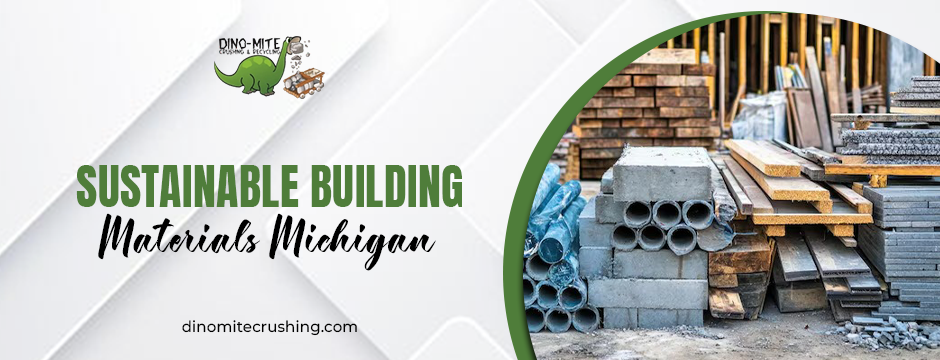
Sustainable Building Materials Michigan: The Future of Eco-Friendly Construction

The construction industry is changing rapidly. Builders, developers, and property owners are no longer focused only on cost and speed. Today, sustainability plays a major role in how projects are planned and completed. As environmental concerns continue to grow, the demand for sustainable building materials Michigan companies can rely on is increasing across residential, commercial, and industrial sectors.

Modern construction now prioritizes durability, waste reduction, and energy efficiency. Consequently, many contractors are shifting toward greener alternatives that support long-term environmental goals without sacrificing structural performance. This transition is helping Michigan move toward a cleaner and more responsible construction future.

sustainable building materials michigan

Why Sustainable Construction Is Becoming Essential

Traditional construction methods often consume large amounts of natural resources. They also generate significant waste during demolition and rebuilding projects. However, the industry is beginning to recognize the long-term impact of these practices.

Using sustainable construction materials helps reduce landfill waste, lower carbon emissions, and preserve raw resources. Furthermore, many environmentally conscious projects now focus on recycling and reusing materials whenever possible.

Michigan has seen steady growth in green infrastructure projects over the last few years. From road construction to commercial development, builders are looking for smarter material solutions that balance environmental responsibility with practical performance.

This shift is not simply a trend. It reflects a broader movement toward sustainable urban development.

The Growing Demand for Sustainable Building Materials in Michigan

The rise in eco-conscious construction has increased the demand for sustainable building materials that Michigan contractors can use for modern projects. Builders now want materials that offer both strength and environmental value.

Several factors are driving this demand:

  • Rising environmental awareness
  • Increasing construction waste regulations
  • Higher interest in recycled materials
  • Long-term cost savings
  • Improved building efficiency

Additionally, many developers understand that sustainable construction can improve public perception and increase property value. Eco-friendly projects often attract businesses and homeowners who care about responsible development.

As a result, Michigan’s construction sector is evolving toward greener practices across multiple industries.

Common Types of Sustainable Materials Used in Construction

Modern projects use a wide range of eco-friendly materials. Each option offers unique benefits depending on the type and scale of construction.

Recycled Concrete Aggregates

Recycled concrete is becoming increasingly popular in infrastructure and road projects. Old concrete from demolition sites can be crushed and processed into reusable aggregates. This reduces the need for newly mined materials.

Moreover, recycled aggregates help lower transportation and disposal costs while supporting waste reduction goals.

Reclaimed Asphalt

Reclaimed asphalt pavement is widely used in paving and roadway improvements. It allows contractors to reuse existing materials instead of relying entirely on fresh asphalt mixtures.

This process conserves resources and improves project sustainability.

Energy-Efficient Insulation

Buildings that use advanced insulation systems often consume less energy over time. Consequently, property owners experience lower heating and cooling costs.

Efficient insulation also supports better indoor comfort and reduced environmental impact.

Recycled Metal Materials

Steel and aluminum can often be recycled multiple times without losing structural integrity. Because of this, recycled metal products remain valuable in commercial and industrial construction projects.

Environmental Benefits of Sustainable Building Practices

One major advantage of using sustainable building materials Michigan developers prefer is environmental preservation. Construction projects traditionally create massive amounts of debris. Sustainable practices help minimize that burden significantly.

For example, recycling construction waste keeps usable materials out of landfills. Furthermore, repurposing concrete and asphalt reduces the need for excessive quarrying and mining activities.

Lower resource consumption also means reduced greenhouse gas emissions during production and transportation. Over time, these improvements contribute to cleaner air and healthier communities.

Importantly, sustainable construction supports long-term environmental resilience rather than short-term convenience.

Economic Advantages for Contractors and Developers

Sustainability is not only beneficial for the environment. It also provides measurable financial advantages.

Many builders initially assume green construction materials are expensive. However, recycled and repurposed materials often reduce disposal and sourcing costs. In some cases, they also improve project efficiency.

Using sustainable construction materials can help contractors:

  • Reduce material transportation expenses
  • Lower landfill dumping fees
  • Improve operational efficiency
  • Meet environmental compliance standards
  • Increase long-term project value

Additionally, sustainable buildings frequently require less maintenance over time. This creates ongoing savings for property owners and facility managers.

Consequently, eco-friendly construction is becoming both a practical and profitable solution.

How Recycling Supports Modern Construction

Recycling has become one of the most important pillars of sustainable construction. Instead of discarding demolition debris, many companies now process old materials into reusable products.

This creates a circular construction model where waste becomes a valuable resource.

For instance, crushed concrete can be reused in roads, parking lots, drainage systems, and structural base layers. Similarly, recycled asphalt can support new paving projects without compromising durability.

The use of sustainable building materials Michigan projects also helps reduce pressure on natural resources.

Furthermore, recycling operations support cleaner construction sites and more efficient waste management systems.

The Role of Technology in Sustainable Construction

Technology continues to improve the effectiveness of green construction practices. Advanced crushing equipment, material sorting systems, and recycling machinery allow companies to process waste more efficiently than ever before.

Modern equipment can separate reusable materials with greater precision. This improves material quality while reducing contamination.

Additionally, digital planning tools help contractors estimate waste reduction opportunities before projects even begin. Better planning leads to improved sustainability outcomes across the entire construction process.

As innovation continues, the future of eco-friendly construction looks increasingly promising.

Challenges Facing Sustainable Construction

Although the industry is progressing, some challenges still remain.

Certain contractors may hesitate to adopt sustainable practices because of limited awareness or outdated assumptions about recycled materials. Others may struggle with supply chain limitations in specific regions.

However, education and improved recycling infrastructure are gradually helping overcome these barriers.

Many recycled products now meet strict quality standards and perform exceptionally well in demanding environments. As confidence grows, adoption rates are expected to increase further across Michigan.

Choosing the Right Sustainable Material Supplier

Not all suppliers offer the same level of quality or environmental commitment. Builders should carefully evaluate providers based on reliability, recycling capabilities, and material standards.

A dependable supplier should offer:

  • Consistent material quality
  • Transparent recycling processes
  • Timely delivery services
  • Environmentally responsible operations
  • Customized project support

Reliable sourcing plays a major role in achieving sustainability goals successfully.

Additionally, working with experienced recycling and aggregate specialists can improve both project performance and environmental outcomes.

Building a Greener Future with Dino-Mite Crushing

At Dino-Mite Crushing, we believe sustainable construction starts with smarter material solutions. We provide high-quality recycled aggregates, eco-friendly construction materials, and advanced recycling services that help reduce waste and conserve natural resources. Furthermore, our team focuses on reliable delivery, responsible waste management, and efficient material processing for projects of every size.

By combining innovation with environmental responsibility, we help contractors, developers, and communities build stronger infrastructure while supporting a cleaner and more sustainable future across Michigan.

sustainable construction materials

Conclusion

The future of construction is shifting toward smarter and greener solutions. Builders today understand that sustainability is no longer separate from performance or profitability. Instead, both goals now work together.

The increasing use of sustainable building materials Michigan contractors and developers prefer reflects a major transformation within the industry. From recycled aggregates to energy-efficient systems, modern construction is becoming more responsible, efficient, and environmentally aware.

Moreover, the growing adoption of sustainable construction materials is helping reduce waste, conserve resources, and create stronger infrastructure for the future.

For businesses seeking environmentally responsible construction and recycling solutions, Dino-Mite Crushing continues to support projects with innovative material processing and sustainable construction services across Michigan.

Frequently Asked Questions

1. What are sustainable building materials?

Sustainable building materials are eco-friendly products that reduce environmental impact through recycling, energy efficiency, and resource conservation.

2. Why are recycled aggregates important in construction?

Recycled aggregates help reduce landfill waste, lower material costs, and decrease the need for newly mined resources.

3. Can sustainable materials improve project durability?

Yes, many sustainable materials offer excellent strength, long-term performance, and improved efficiency for modern construction projects.

4. How does recycling support eco-friendly construction?

Recycling transforms old construction debris into reusable materials, helping reduce waste and conserve natural resources.

5. Why are Michigan builders choosing sustainable construction practices?

Michigan builders are adopting sustainable practices to lower environmental impact, improve efficiency, and meet growing demand for greener infrastructure solutions.

material transportation services michigan

Material Transportation Services in Michigan: The Backbone of Modern Construction Logistics

The construction industry depends heavily on material transportation services Michigan to keep projects moving without delay. From raw aggregates to processed building materials, timely delivery shapes every stage of development. Without efficient movement of materials, even the best-planned projects face setbacks.

Today, contractors demand speed, safety, and reliability. Consequently, logistics has become a core part of construction planning rather than a support function. In this blog, we explore how material transportation services in Michigan support modern construction workflows, improve efficiency, and help projects stay on schedule.

material transportation services michigan

Material Transportation Services in Michigan and Their Growing Importance

Modern construction sites operate under tight deadlines and strict coordination. Material transportation services play a central role in ensuring that materials arrive exactly when needed, reducing idle time on-site and improving productivity.

Furthermore, these services bridge the gap between suppliers, recycling centers, and construction zones. Whether it is gravel for foundations or recycled aggregates for roadwork, precise delivery matters.

In addition, material transportation services in Michigan help reduce operational chaos by organizing movement schedules, preventing congestion, and supporting smoother project execution.

Strategic Logistics Planning in Construction Projects

Every successful build begins with planning, and logistics is a major part of it. Efficient scheduling ensures materials are delivered in the right sequence.

Professionals offering material transportation services focus on route optimization, fuel efficiency, and time-sensitive deliveries. This reduces delays and prevents material wastage at construction sites.

Moreover, advanced planning reduces dependency gaps between the supply and execution phases. As a result, contractors can maintain a continuous workflow without interruptions.

Another important aspect is coordination with recycling and processing units. Here, the integration of on-site material crushing service becomes valuable, as it reduces the need for transporting raw demolition waste off-site.

Fleet Management, Safety, and Operational Control

A strong transportation system relies on a well-managed fleet. Trucks, loaders, and heavy carriers must be maintained and operated with precision.

In material transportation services in Michigan, safety protocols are strictly followed to protect both workers and cargo. Drivers are trained for heavy-load handling, and vehicles are regularly inspected to meet compliance standards.

Additionally, scheduling systems ensure that equipment is utilized efficiently without unnecessary downtime. This improves cost control and enhances delivery consistency.

The use of on-site crushing service further reduces transport load by processing materials directly at the construction location, minimizing unnecessary hauling operations.

Integration of On-Site Processing in Modern Logistics

Construction waste management has evolved significantly. Instead of moving debris to distant facilities, many projects now use on-site material crushing service to process materials directly at the source.

This approach reduces transportation cycles and improves material reuse. Crushed concrete and asphalt can be reused instantly for road base or structural fill.

Furthermore, material transportation services in Michigan become more efficient when paired with on-site processing because fewer outbound trips are required. This leads to lower fuel consumption and reduced operational costs.

Another advantage of on-site concrete crushing service is faster site clearance, allowing new construction phases to begin without delay.

Sustainability and Cost Efficiency in Transportation Systems

Environmental responsibility has become a key focus in construction logistics. Modern material transportation services in Michigan prioritize fuel-efficient routing, reduced emissions, and optimized load management.

By minimizing unnecessary trips, companies reduce their carbon footprint while improving profitability. Consequently, sustainability and cost savings go hand in hand.

Additionally, on-site crushing service supports eco-friendly construction practices by recycling demolition waste instead of sending it to landfills. This contributes to resource conservation and reduces environmental impact.

Efficient logistics planning also ensures that materials are not over-ordered or wasted, further supporting green construction goals.

Practical Applications in Real Construction Projects

Different construction projects rely on logistics in unique ways. Road construction, residential development, and industrial expansion all require coordinated material flow.

In roadwork, material transportation services in Michigan ensure a continuous supply of aggregates and asphalt, preventing work stoppages. Similarly, large-scale housing projects depend on scheduled deliveries of cement, sand, and structural materials.

The integration of on-site aggregate crushing service is particularly useful in demolition-based redevelopment projects. Materials from old structures are processed and reused immediately, reducing procurement needs.

Furthermore, material transportation services support infrastructure expansion by handling the large-scale movement of construction inputs across multiple sites efficiently.

Challenges Solved by Efficient Transportation Systems

Construction logistics often face challenges such as traffic delays, material shortages, and scheduling conflicts. However, structured material transportation services in Michigan help overcome these issues through advanced coordination.

Real-time tracking systems ensure that deliveries remain on schedule. Additionally, backup routing plans reduce risks associated with road disruptions.

Another challenge is waste accumulation at construction sites. Here, in-place crushing service plays a crucial role by processing debris instantly, preventing clutter, and improving site safety.

Moreover, material transportation services help balance supply and demand by ensuring that materials are delivered in controlled quantities based on project progress.

Future of Construction Logistics in Michigan

The future of construction logistics is moving toward automation, sustainability, and integration. Smart tracking systems, AI-based route planning, and automated fleet management are becoming more common.

In this evolving landscape, material transportation services in Michigan will continue to act as the backbone of construction efficiency. Their role will expand beyond delivery to full-scale logistics management.

Additionally, on-site crushing service will become more widely adopted as companies focus on reducing waste and improving material reuse efficiency.

Together, these advancements will redefine how construction projects are executed in the coming years.

Dino-Mite Crushing: Powering Reliable Construction Solutions

In today’s fast-paced construction environment, dependable logistics and material handling make all the difference. That’s where expert support becomes essential. With a strong focus on efficiency, safety, and sustainability, professional services help contractors complete projects faster and with greater precision.

Whether it’s material movement, recycling support, or on-site processing, having a trusted partner ensures smoother operations and reduced downtime. Modern construction demands smart solutions that balance cost control with environmental responsibility.

For contractors seeking consistent performance and reliable execution, Dino-Mite Crushing offers comprehensive support across transportation, recycling, and material processing needs. Their approach ensures every project benefits from streamlined operations and long-term value.

On-Site Crushing service

Conclusion

Efficient construction depends on reliable logistics, and material transportation services in Michigan remain at the center of this system. From delivering essential materials to supporting waste management, they ensure smooth project execution at every stage.

When combined with innovations like on-site crushing service, the entire construction workflow becomes faster, cleaner, and more cost-effective. As the industry evolves, these services will continue to play a critical role in shaping modern infrastructure development.

FAQs

What are material transportation services in Michigan used for?

They are used to move construction materials like sand, gravel, cement, and aggregates safely and efficiently to project sites, ensuring smooth workflow.

How do these services improve construction projects?

They reduce delays, ensure timely delivery, and help maintain continuous work by coordinating supply and site requirements effectively.

What role does on-site crushing play in logistics?

On-site crushing helps process construction waste directly at the site, reducing transport needs and improving material reuse efficiency.

 Are these transportation services suitable for large projects?

Yes, they are designed for both small and large-scale projects, including roadwork, residential, and commercial construction developments.

Do these services support sustainability?

Yes, they reduce fuel usage, minimize waste, and promote recycling, making construction operations more eco-friendly and cost-efficient.

sustainable construction materials

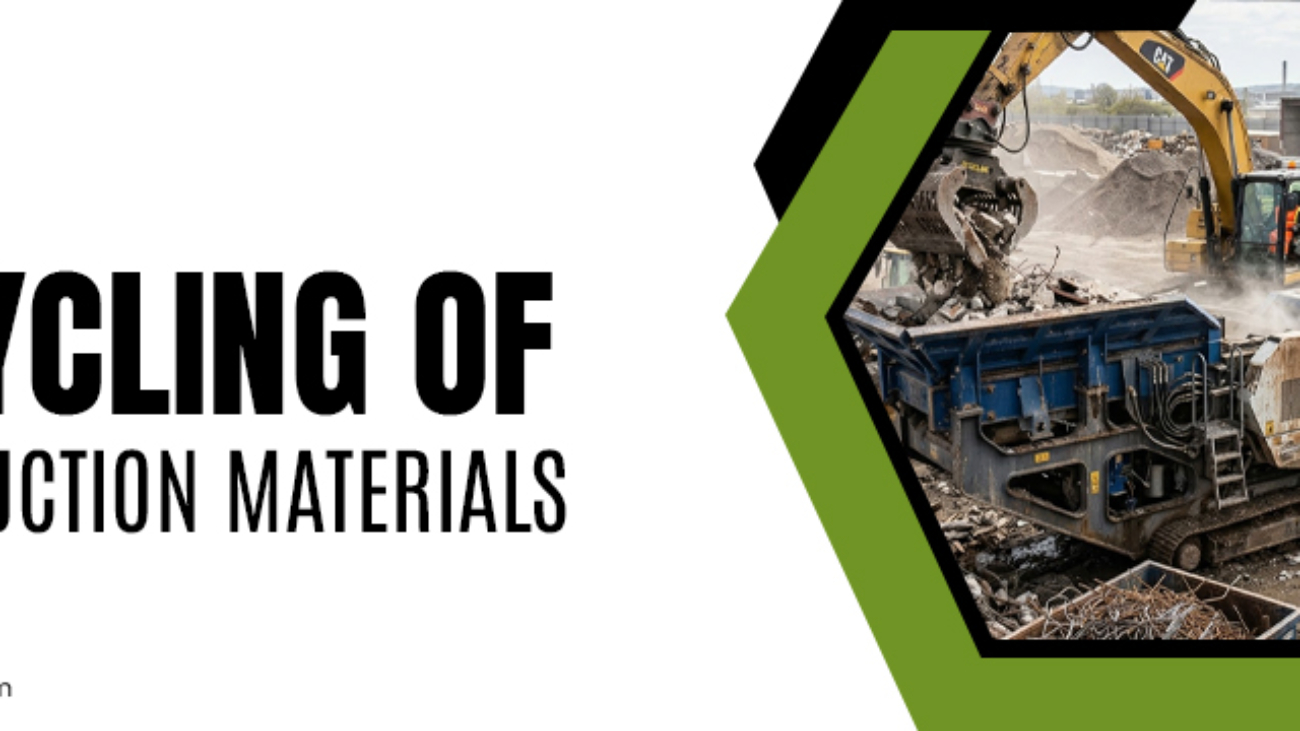
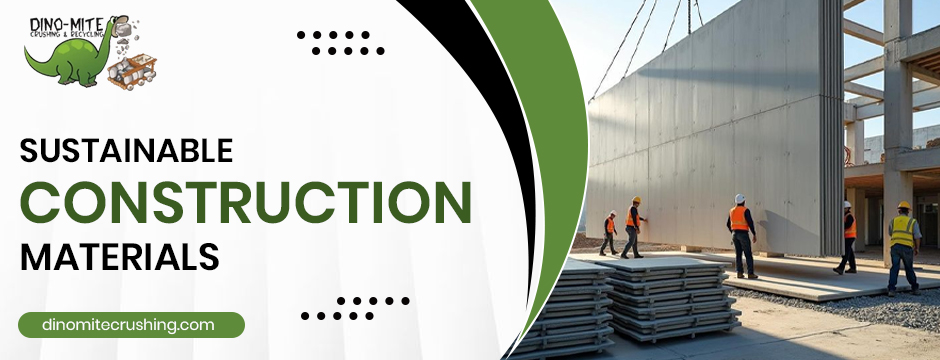
From Waste to Resources: The Role of Sustainable Construction Materials in Construction Projects

Modern construction is rapidly evolving, and environmental responsibility has become a core priority for builders and developers. One of the biggest shifts in the industry is the growing use of sustainable construction materials to reduce waste and improve efficiency on project sites. These materials not only help lower environmental impact but also improve long-term durability and cost control in construction work.

Today, companies are rethinking how resources are sourced, used, and reused across projects. Instead of treating waste as a burden, it is now being transformed into valuable input for new development. This shift is changing how contractors plan, design, and execute projects of all sizes. As a result, sustainability is no longer optional—it is becoming a standard practice in modern construction planning.

Why Sustainable Materials Matter in Modern Construction

The construction industry consumes a massive amount of raw materials every year. This demand puts pressure on natural resources and increases environmental strain. Sustainable construction materials help address this issue by promoting responsible sourcing and efficient usage.

Furthermore, these materials are designed to last longer and reduce maintenance needs. This means fewer replacements and lower lifecycle costs for builders. In many cases, recycled inputs also perform just as effectively as traditional options.

Consequently, developers are now prioritizing materials that balance performance with environmental responsibility. This shift is not only improving project efficiency but also supporting greener urban development.

From Construction Waste to Reusable Resources

Construction sites generate large volumes of debris, which can either be discarded or repurposed. A growing trend is converting this waste into usable materials through structured systems. In this process, a waste disposal company in Michigan plays a key role in collecting and managing construction debris responsibly.

At the same time, recycling of construction materials ensures that concrete, asphalt, and metals are processed into reusable aggregates instead of being dumped into landfills. This reduces environmental pressure and supports circular resource flow.

waste disposal company in michigan

In this transformation cycle, sustainable construction materials emerge as a direct result of effective waste recovery systems. Instead of relying only on virgin resources, builders can now integrate recovered materials into new projects. Additionally, environmentally friendly construction materials help reduce dependency on raw extraction, making construction more resource-efficient.

Role of Recycling Systems and Material Recovery

Recycling is at the heart of modern construction sustainability. Advanced systems now allow materials to be processed, cleaned, and reused in multiple applications. The recycling of construction materials ensures that valuable components are not lost during demolition or renovation projects.

Furthermore, these systems support consistent material quality, which is essential for structural reliability. When processed correctly, recycled outputs can match or even exceed traditional material performance.

Sustainable construction materials benefit greatly from these recycling methods, as they are often derived from recovered waste streams. This reduces production costs and supports eco-friendly building practices. In addition, eco-friendly construction materials contribute to reducing landfill pressure and lowering carbon emissions across construction operations.

Equipment and Operational Efficiency in Sustainable Projects

Efficient construction depends not only on materials but also on the right machinery. Access to construction equipment rental services allows contractors to use modern tools without heavy ownership costs. This flexibility improves project scalability and reduces idle equipment waste.

Moreover, rented machinery supports better resource allocation across multiple job sites. It ensures that equipment is used only when needed, which increases operational efficiency.

In this workflow, sustainable construction materials are easier to handle and process using advanced machinery. The combination of modern equipment and eco-friendly inputs leads to smoother project execution. Additionally, construction equipment rental solutions help contractors adapt quickly to changing project demands without unnecessary investment.

Smart Planning for Long-Term Project Sustainability

Long-term construction success depends on careful planning and resource optimization. Contractors are now integrating environmental strategies into early project stages to reduce waste generation. A waste disposal company in Michigan often supports this process by ensuring proper waste segregation and responsible handling from the beginning.

Similarly, equipment rental of construction services allows project managers to scale operations efficiently without overcommitting capital. This flexibility ensures better financial control across project phases.

Sustainable construction materials also play a major role in long-term planning. They provide consistent quality while reducing environmental impact over time. Furthermore, renewable construction materials help developers meet regulatory standards and green building certifications more easily.

Key Benefits for Contractors and Builders

The adoption of eco-friendly construction practices delivers multiple advantages for industry professionals. Cost savings, improved efficiency, and reduced environmental risks are some of the most significant outcomes.

Sustainable construction materials help contractors build stronger, more efficient structures while lowering long-term maintenance needs. They also support compliance with environmental regulations, which is becoming increasingly important in modern construction markets.

In addition, better waste management and recycling of construction materials improve site organization and reduce disposal costs. When combined with efficient equipment usage, projects become more streamlined and predictable.

recycling of construction materials

Overall, sustainable building materials provide a practical balance between performance and responsibility, making them essential for future-ready construction projects.

Future of Eco-Friendly Construction Industry

The future of construction is moving strongly toward sustainability and innovation. New technologies are making it easier to recover, process, and reuse materials at scale. As environmental awareness grows, demand for smarter building solutions will continue to rise.

Sustainable construction materials will remain central to this transformation, shaping how cities and infrastructure are developed. In the coming years, more projects will rely on recycled inputs and energy-efficient processes.

Furthermore, collaboration between contractors, recyclers, and service providers will strengthen the circular economy model. This will reduce waste and improve resource efficiency across the industry.

Ultimately, circular economy construction materials represent a long-term shift toward responsible construction practices that benefit both the environment and the economy.

Building Smarter with Dino-Mite Crushing Solutions

At Dino-Mite Crushing, we bring construction efficiency and sustainability together through reliable material supply, recycling services, and equipment support. We specialize in recycling concrete, asphalt, dirt, and construction debris into usable resources through advanced on-site crushing. We also provide convenient dumping solutions and transportation assistance to streamline your workflow. 

In addition, we offer construction equipment rental, including sweeping units and water trucks, to support project needs. Our goal is to make every construction project cleaner, faster, and more resource-efficient with end-to-end solutions.

Conclusion

Sustainability is no longer a trend in construction—it is a necessity. By integrating recycling systems, efficient machinery, and responsible waste handling, the industry is moving toward a more balanced and eco-conscious future.

In conclusion, adopting smarter material strategies and operational practices ensures better project outcomes and long-term environmental benefits. Dino-Mite Crushing supports this transformation by offering reliable solutions that help builders embrace efficiency, sustainability, and innovation in every stage of construction.

sustainable construction materials

Why Sustainable Building Materials Michigan Are Redefining Construction Standards

Michigan’s building sector is experiencing a powerful revolution. For decades, builders prioritized strength and durability, but today there is something more: sustainability. Developers, contractors, and homeowners are all stepping up to take intentional measures to ensure environmentally sound practices without compromising on building strength and long-term lifespan. At the forefront of this revolution are sustainable building materials Michigan—the innovation that is revolutionizing modern construction practices.

sustainable building materials Michigan

Building Responsibly for the Future

If we were going to build ten years ago, cost and convenience were always at the forefront. But that is not the case anymore. Today, clients and contractors understand that what we accomplish today has a direct impact on tomorrow. Every brick, every beam, every detail comes with an environmental aspect. Through the use of sustainable building materials in Michigan, we reduce waste, save resources, and leave a positive impact in the communities we live in.

Sustainability is not about giving up strength or beauty. It is about reimagining where our materials come from, how they are manufactured, and how they impact energy use and waste in the long run. These new materials not only meet the structural requirements but also facilitate greener and more efficient buildings.

How Are These Materials Sustainable?

When we talk of sustainable building materials, we are dealing with materials that are either made from renewable resources, recycled materials, or are reusable without imposing additional loads on the natural systems. Some include:

  • Recycled concrete and road base aggregates
  • Renewable or recycled fiber insulation
  • Pavers and bricks are manufactured from energy-efficient manufacturing processes
  • Timber from sustainably managed forests

Such innovations allow us to minimize landfill waste while maintaining structures that meet decades-long longevity.

Benefits of Choosing Green Materials in Michigan

1. Environmental Benefits

Through going green, we’re basically saving on carbon emissions, conserving non-renewable resources, and keeping Michigan’s scenery intact. With every ton of recycled aggregate or recycled steel, we’re preventing raw extraction from nature.

2. Energy Efficiency

Most environmentally friendly building materials Michigan have attributes that control temperature naturally. An example is insulated panels or high-performance glazing products, which can reduce heating and cooling costs. Over the lifetime of a building, this translates to significant cost savings while minimizing greenhouse emissions.

3. Long-Term Durability

Sustainability also means longevity. Materials that are recycled and treated last longer, withstand wear and tear better, and need less repair or replacement. Sustainable can thus also mean stronger.

4. Market Value and Reputation

Today’s customers, such as developers and builders who value sustainability. Eco-friendly materials enhance a project’s worth and even the worth of a property. Commercial buildings are a key selling point when attempting to attract tenants or investors.

The Role of a Dependable Supplier

Although sustainable material demand is high, the real challenge is sourcing them from a trusted source. A good construction materials supplier Michigan has a duty to balance proper quality and environmental stewardship.

construction materials supplier Michigan

As builders, we rely on the suppliers who understand that each material must undergo rigorous tests prior to landing on site. From testing aggregates for strength through to ensuring recycled content complies with modern building standards, a commercial supplier takes all technicalities into account so we can focus on realizing the best results. 

How Sustainable Materials Are Redefining Standards

The application of sustainable materials has evolved from trendy to business standard. Some of the means through which it’s changing the manner in which projects are conceived and built are listed below:

Smarter Planning

Sustainable designing encourages smarter planning. Builders and architects now consider lifecycle impacts, including how materials won’t just function while being built but when they’re in use for a lifetime.

Innovation in Material Use

We’re seeing a rise in materials like recycled concrete, reclaimed timber, and advanced composites that use fewer resources while improving performance. This innovation drives new techniques and encourages us to think outside the box.

Greater Collaboration

The push for sustainability is encouraging more teamwork. Builders, engineers, and suppliers are working closely to ensure every step of the sustainable construction materials process reduces waste and maximizes efficiency.

Examples of Where Sustainable Materials Make a Difference

  • Residential Homes: Using green insulation, low-VOC paint, and recycled roofing.
  • Commercial Buildings: Recycled content prefabricated panels to hasten construction while reducing site waste.
  • Infrastructure: Roads and sidewalks built from recycled aggregates and concrete.

Big or small, sustainable building materials Michigan are proving to be versatile enough for every type of project.

Why Michigan is ahead

Michigan boasts a strong industrial heritage, and that also includes innovation in building techniques. As there is growing interest in living green, the majority of companies are now allocating their resources to making or selling items that lead to less burden on the environment.

We as constructors can feel the difference everywhere—be it small-town residential areas or large city developments. Customers no longer insist on building things that last for generations; they are insisting on buildings that respect the planet.

Final Thoughts

Sustainability in construction isn’t a buzzword anymore. It’s a mandate. Sustainable building materials Michigan give us the power to conserve our natural resources and still create quality buildings that will endure. It’s a victory for the environment, a victory for the industry, and a victory for future generations.As builders, designers, and homeowners, it’s up to us to take the next step forward. If you’re searching for a partner who values quality and eco-conscious solutions, look for a supplier who understands the importance of innovation and accountability. That’s exactly why many builders trust Dino-Mite Crushing. With a commitment to high standards and a wide range of eco-friendly materials, Dino-Mite Crushing makes it easier for us all to choose wisely and build responsibly.

material transportation services michigan

How Contractors in Michigan Can Cut Costs Through On-Site Crushing and Recycling

In the world of construction and demolition, cost efficiency is paramount. Whether you’re managing a large infrastructure project or overseeing the demolition of an aging commercial building, every dollar saved matters. One often-overlooked method for cutting costs—and contributing to sustainability—is on-site crushing and recycling.

In this blog, we’ll explore how contractors across Michigan can benefit financially and operationally by adopting on-site recycling practices, and how partnering with a trusted waste management service in Michigan can streamline your project. We’ll also cover the broader benefits of responsible waste disposal, the role of modern crushing technology, and how Dino-Mite Crushing leads the charge in environmentally responsible construction support.

waste management service in Michigan

Why Construction Waste Costs More Than You Think

The construction and demolition (C&D) industry generates millions of tons of waste annually in the United States, with concrete, asphalt, brick, and metal making up a majority of the material. Traditionally, this waste is either:

  • Hauled off to a landfill,
  • Sent to a remote recycling facility, or
  • Left unmanaged until the project ends.

Each of these approaches comes with a cost—and not just financial. Contractors face:

  • High hauling and transportation fees
  • Rising landfill tipping costs
  • Delays in material sourcing and waste clearance
  • Environmental penalties for non-compliance with disposal regulations

In Michigan, where infrastructure is constantly evolving and urban redevelopment is on the rise, these challenges are only intensifying. That’s why smart contractors are turning to on-site crushing and recycling as an efficient alternative.

What Is On-Site Crushing and Recycling?

On-site crushing and recycling refers to the process of breaking down construction materials—like concrete and asphalt—directly at the job site using mobile crushing equipment. Once crushed, these materials can be reused as:

  • Fill or base for new construction
  • Roadbed or subbase material
  • Aggregate for fresh concrete or asphalt mixes

Rather than shipping heavy debris to an off-site facility or paying a third-party vendor to process the waste, you’re reusing your material immediately, saving time, money, and valuable resources.

Key Financial Benefits of On-Site Crushing for Contractors

Let’s break down how this process translates into tangible cost savings:

1. Elimination of Hauling and Transportation Costs

One of the most significant costs on any construction project is transportation—especially when it comes to moving heavy waste material to a remote processing facility or landfill. Hiring transportation services in Michigan for such jobs can be expensive, particularly for high-volume materials like concrete and asphalt.

On-site crushing removes the need for multiple trips, drastically reducing fuel costs, labor hours, vehicle wear and tear, and carbon emissions. You retain the value of the materials without moving them off-site.

2. Reduced Need for New Aggregates

Instead of purchasing fresh aggregates for backfill, road base, or other uses, you can create your own recycled aggregates on-site. Michigan contractors often spend thousands sourcing virgin aggregates when viable recycled options are already available in the debris being cleared.

On-site crushing ensures immediate access to low-cost, high-quality material, giving you more control over your budget and timelines.

3. Lower Landfill and Dumping Fees

Landfills across Michigan are becoming increasingly selective and expensive. Not only do you pay tipping fees, but you may also need to comply with additional regulatory documentation and timelines.

Recycling material on-site means less waste sent to the landfill, reducing these costs substantially. In many cases, you may avoid landfill fees altogether.

4. Faster Project Timelines

Time is money. By processing material on-site, you eliminate delays caused by third-party transport schedules and facility processing times. This streamlines your workflow and helps meet project milestones without costly hold-ups.

Environmental and Regulatory Benefits

Besides cost savings, contractors must also think about environmental compliance and sustainability—especially as Michigan’s environmental regulations grow more robust.

Compliance with Michigan DEQ and Local Ordinances

The Michigan Department of Environment, Great Lakes, and Energy (EGLE) encourages responsible waste management through recycling, reduced landfill reliance, and emissions controls. Contractors who utilize on-site crushing and partner with an eco-conscious waste disposal company in Michigan often find it easier to meet these regulatory requirements.

waste disposal company in Michigan

LEED Certification and Green Building Credits

Many projects today strive for LEED (Leadership in Energy and Environmental Design) certification, which awards points for recycled content, waste reduction, and sustainable sourcing. On-site crushing contributes directly to these goals and may improve your project’s environmental standing.

Reduced Carbon Emissions

By minimizing vehicle trips and reusing materials locally, contractors help lower the carbon footprint of their projects. This resonates not only with regulators but with clients and communities increasingly focused on sustainability.

Materials Ideal for On-Site Crushing

Not all construction debris is created equal—but many common materials can be efficiently processed with mobile crushing units, including:

  • Concrete slabs, footings, and foundations
  • Asphalt from roads and driveways
  • Brick and block from building demolitions
  • Reinforced concrete (after metal extraction)

These materials can be crushed down to a variety of sizes to suit different needs—from coarse fill to fine base layers.

Equipment and Technology Behind On-Site Crushing

Modern crushing equipment has evolved significantly. Mobile crushers used today are:

  • Designed to be compact and easily movable between job sites.
  • Built to process high quantities of material with ease and speed.
  • Equipped with magnetic separators to extract rebar or metals
  • Environmentally friendly with reduced noise and dust emissions

Whether you’re working on a downtown commercial teardown or a rural road resurfacing project, mobile crushers offer the flexibility and power to handle it all.

How to Get Started with On-Site Crushing in Michigan

If you’re considering this strategy, here’s how to begin:

  1. Assess Your Material Volume
    Determine how much concrete, asphalt, or other debris will be generated.
  2. Partner with a Waste Management Expert
    Work with a waste management service in Michigan that offers mobile crushing or equipment rental.
  3. Evaluate Site Conditions
    Ensure there’s enough space and accessibility for the crushing equipment.
  4. Create a Recycling Plan
    Decide where and how the recycled material will be reused on the same project.
  5. Track Your Savings
    Keep detailed logs of avoided transportation costs, reduced material purchases, and tipping fee reductions.

Why Choose Dino-Mite Crushing?

At Dino-Mite Crushing, we specialize in helping contractors in Michigan maximize cost-efficiency and sustainability through on-site crushing and recycling.

We understand the unique challenges of the construction industry and offer:

  • Mobile crushing units that come directly to your site
  • Tailored recycling plans to fit your project scope
  • Decades of experience in crushing, waste management, and material handling
  • Full compliance with Michigan’s environmental regulations
  • Transparent reporting so you know exactly how much waste is recycled
  • Affordable pricing to ensure your budget stays on track

As a trusted waste disposal company in Michigan, we also offer comprehensive material and waste transportation services in Michigan, making us a one-stop partner for your site cleanup and recycling needs.

We’re not just here to crush concrete—we’re here to crush costs, improve efficiency, and help you build a cleaner, greener Michigan.

Conclusion: On-Site Crushing Is a Smart Investment for Michigan Contractors

The numbers don’t lie—on-site crushing and recycling is one of the smartest investments a Michigan contractor can make. With rising landfill fees, stricter environmental regulations, and growing demand for green building practices, there’s no better time to shift toward sustainable and cost-effective material management.

By partnering with an experienced waste management service in Michigan like Dino-Mite Crushing, contractors can reap the financial rewards of:

  • Lower transportation and disposal costs
  • Reuse of valuable construction material
  • Faster project completion times
  • Enhanced environmental compliance

So, the next time you’re planning a demolition, renovation, or new construction project, consider keeping your material on-site, crushing it, and recycling it. It’s good for your budget—and even better for the planet.Contact Dino-Mite Crushing today to learn how we can help you crush costs and boost sustainability with our on-site recycling services.

Crushing & Recycling service in Michigan

Why Concrete Pipe is a Cost-Effective Choice for Drainage Projects in Michigan

Drainage projects are critical to Michigan’s infrastructure. With its diverse terrain and unpredictable weather patterns, the state demands reliable, long-lasting, and cost-efficient solutions to manage water flow, prevent flooding, and ensure public safety. One of the cornerstones of these infrastructure efforts is the use of concrete pipe—a material that has long been trusted by engineers and contractors across Michigan.

Concrete pipes are not just durable; they offer a powerful combination of structural integrity, longevity, and cost-effectiveness. In this detailed guide, we explore why concrete pipe remains the go-to choice for drainage projects in Michigan. We also delve into the current concrete pipe price in Michigan, its environmental benefits as part of sustainable building materials in Michigan, and the role of local Crushing & Recycling services in Michigan in enhancing affordability and sustainability.

concrete pipe price in Michigan

Understanding the Role of Concrete Pipes in Drainage Projects

Drainage systems are more than just channels for water to flow; they form the veins of any city’s or region’s infrastructure. They manage runoff, protect foundations, and reduce erosion. The efficiency of a drainage system depends heavily on the quality and type of pipes used.

Concrete pipes are designed to withstand extreme loads, both from soil pressure and above-ground weight. As a result, they are well-suited for use in:

  • Stormwater management systems
  • Culverts and underpasses
  • Sewer networks
  • Agricultural drainage

These pipes offer consistent performance over decades, reducing the need for frequent maintenance or replacement—a factor that directly contributes to their cost-effectiveness.

Concrete Pipe Price in Michigan (2025)

One of the primary reasons contractors and municipal agencies opt for concrete pipe is its affordability over the life cycle of a project. As of 2025, the concrete pipe price in Michigan stands at $30.00 per piece.

This pricing reflects not only the raw material cost but also the manufacturing quality that ensures high performance in various conditions. The cost remains highly competitive considering the lifespan of concrete pipe, which often exceeds 70 to 100 years when installed correctly.

Additional pricing considerations relevant to drainage projects include:

  • Concrete Structures: $110.00 per piece
  • No Charge for Clean Concrete Dumping: A significant cost-saving feature for contractors replacing or upgrading systems
  • State-Certified Scale: Ensures accurate load measurement for billing and project planning

With this consistent pricing, project managers can better estimate budgets and avoid unexpected cost escalations.

Why Concrete Pipe is a Smart Investment for Michigan Contractors

The total cost of using concrete pipe goes beyond the initial purchase price. Let’s explore the factors that make it a smart investment:

1. Long-Term Durability

Concrete pipes are built to endure. They resist corrosion, abrasion, and environmental degradation better than many alternative materials. This means:

  • Fewer replacements over time
  • Minimal maintenance requirements
  • Lower total cost of ownership

In Michigan, where the freeze-thaw cycle can wreak havoc on infrastructure, this resilience translates into real financial savings.

2. Structural Integrity

Concrete pipe maintains its shape and strength under pressure, making it suitable for deep burial and high-traffic zones. Its load-bearing capacity eliminates the need for additional reinforcements in most cases, reducing labor and material costs.

3. Compatibility with Local Construction Practices

Because concrete piping has been used for decades, local contractors and engineers are familiar with its specifications, installation procedures, and maintenance. This familiarity reduces the risk of project delays or costly installation errors.

Environmental Benefits: A Key Factor in Sustainable Development

With growing awareness of climate change and resource conservation, many construction projects in Michigan are now emphasizing the use of sustainable building materials. Concrete pipe aligns with this goal in several ways:

sustainable building materials in Michigan

Recyclability and Reuse

Concrete is one of the most recyclable construction materials. Old or damaged concrete pipe can be processed through Crushing & Recycling services in Michigan, turning it into aggregate for roads, foundations, or new concrete products.

This process not only reduces landfill use but also cuts down on the need for virgin materials, lowering the project’s carbon footprint.

Local Sourcing and Reduced Transportation Emissions

Michigan-based suppliers like Dino-Mite Crushing produce and supply concrete pipes locally, reducing the environmental impact associated with long-distance transportation. This contributes to a more sustainable construction ecosystem across the state.

Energy Efficiency in Production

Compared to plastic alternatives that rely on petroleum-based manufacturing, concrete pipes can be produced using a more energy-efficient process, especially when recycled content is used.

Cost Savings Through Crushing & Recycling Services in Michigan

The integration of Crushing & Recycling services in Michigan is a major factor in reducing the overall cost of drainage projects. Dino-Mite Crushing, for example, offers recycling of clean concrete at no charge, which is a rare and valuable offering.

Key Advantages:

  • Dumping clean concrete is free, significantly reducing disposal fees.
  • Crushed concrete can be repurposed into other materials like:
    • 21AA Crushed Concrete ($12.00/Ton)
    • 1″ x 3″ Crushed Concrete ($15.50/Ton)
    • Concrete Sand ($11.50/Ton)

These recycled materials are commonly used in road construction, base layers, and other infrastructure elements, offering further cost savings.

Eco-Friendly Operations

Recycling concrete supports Michigan’s commitment to sustainability while also lowering material costs. It closes the loop between demolition and new construction, promoting a circular economy.

Dino-Mite Crushing: Your Local Partner in Affordable Drainage Solutions

At Dino-Mite Crushing, we understand the importance of durable, cost-effective materials for Michigan’s infrastructure projects. That’s why we offer high-quality concrete pipes at a consistent, affordable rate of $30.00 per piece.

As a trusted local supplier, we go beyond just selling materials. We provide:

  • No-charge dumping for clean concrete
  • Crushed concrete and recycled aggregate at competitive prices
  • Special bulk pricing and 24/7 dumping by request
  • Certified scales (MDOT Pit #82-035) for accurate load measurement

Need delivery? We also coordinate train and semi deliveries to ensure your project stays on schedule.

By combining top-tier materials with dependable logistics and environmental stewardship, we help contractors and municipalities complete their drainage projects on time and on budget.

Conclusion

Concrete pipe remains the benchmark for durability, longevity, and cost-efficiency in Michigan’s drainage projects. With a stable concrete pipe price in Michigan and multiple advantages over other materials, it offers unmatched value for contractors, municipalities, and developers alike.

When sourced from responsible, community-focused suppliers like Dino-Mite Crushing, concrete pipe becomes more than a construction component—it becomes a cornerstone of sustainable infrastructure. With added benefits from local Crushing & Recycling services in Michigan, the material’s lifecycle becomes both economical and environmentally friendly.

For projects that demand strength, reliability, and responsible sourcing, concrete pipe is the clear, cost-effective choice in Michigan.