
A construction project can have a solid plan and a skilled crew, yet still lose time when materials arrive late, debris piles up, or essential equipment is unavailable. Reliable support services help contractors keep work moving, manage resources, and maintain an organised job site.
The construction industry in Michigan relies on more than building materials and machinery. Projects also need material recycling, on-site crushing, responsible debris disposal, transportation, and effective dust control. Choosing these services early can help contractors avoid preventable disruptions and plan their budgets more confidently.
Whether you manage a commercial development, road improvement, or residential build, understanding these essential services makes it easier to choose the right support for your project.
1. What Construction Materials Does a Michigan Project Need?
Construction material suppliers help contractors obtain the aggregates, topsoil, and other materials needed for site preparation and building work. Choosing the right materials, quantities, and delivery schedule helps keep work on track and limits unnecessary stockpiling.
How should contractors plan material orders?
Start by matching material specifications to the project’s requirements. Aggregates may be needed for suitable base layers and site preparation, while topsoil is commonly used for landscaping and finishing outdoor areas.
Before placing an order, confirm:
- Material specifications: Check that the product suits its intended application.
- Required quantities: Estimate demand to avoid shortages or excess stock.
- Delivery timing: Coordinate arrivals with the construction schedule.
- Site access: Make sure delivery vehicles can reach the unloading area safely.
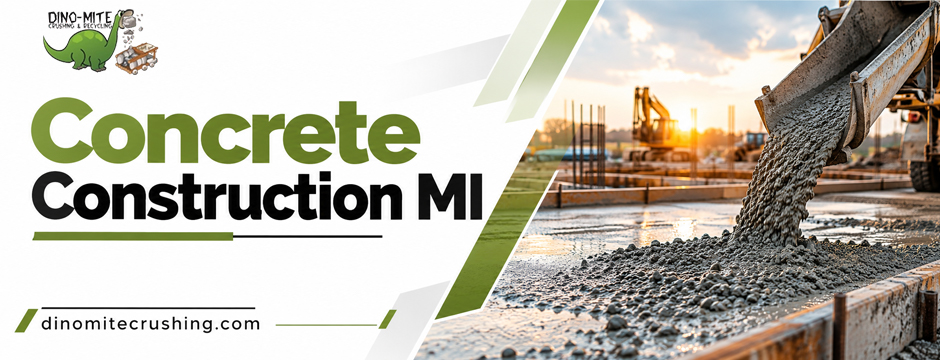
For projects involving concrete construction MI, suitable aggregate selection and well-timed deliveries can help prevent interruptions during preparation and placement. Always follow the project’s engineering specifications rather than choosing materials on price alone.
2. How Can Construction Recycling Reduce Material Waste?
Construction recycling allows suitable materials from demolition and site work to be processed for potential reuse instead of being discarded. Concrete, asphalt, dirt, and topsoil may be accepted, depending on their condition and the recycling facility’s requirements.
Which materials can contractors recycle?
Common candidates include broken concrete, removed asphalt, and certain soil or topsoil loads. However, acceptance depends on contamination, material composition, and the facility’s operating rules.
Recycling can offer several practical benefits:
- Reduces the amount of suitable material sent for disposal.
- Supports more efficient use of construction resources.
- Helps keep demolition and material-handling areas organised.
- May lower overall waste-management costs, depending on transport, processing, and disposal fees.
Contractors should separate materials where required and confirm acceptance criteria before arranging transport. Contaminated soil and potentially hazardous waste may need specialised assessment or handling.
For businesses across the construction industry in Michigan, a clear recycling plan helps make material recovery part of project planning rather than an afterthought.
3. When Is On-Site Construction Crushing Worth Considering?
Mobile crushing processes crush concrete and asphalt at the project location, reducing larger pieces into smaller material for approved reuse or further handling. It can be useful when demolition generates substantial quantities of recyclable material and transporting every load off-site would create logistical challenges.
What should contractors assess before crushing?
Consider a redevelopment project where an old concrete slab must be removed before new work begins. On-site crushing may reduce the need to haul all the demolished material to a separate processing location.
Before booking the service, assess:
- The volume and condition of the material.
- Available space for crushing equipment and stockpiles.
- Access for machinery and delivery vehicles.
- Required output sizes and intended material use.
- Dust, noise, safety, and other site restrictions.
For concrete construction MI, coordinating crushing with demolition and material handling can simplify the workflow. However, crushed material should only be reused when it meets the relevant project specifications and applicable requirements.
4. Where Can Contractors Dispose of Construction Debris?
A designated construction dumping site provides a place to take accepted waste, including broken concrete, asphalt, bricks, dirt, and other construction debris. Checking disposal requirements before a load leaves the site helps prevent rejected deliveries, unnecessary trips, and avoidable delays.
What should you check before sending a load?
First, confirm which materials the facility accepts. Then check its operating hours, unloading procedures, fees, and any separation requirements.
If your company lacks suitable hauling vehicles, ask whether pickup services are available. This option can help smaller contractors manage debris removal without maintaining their own transport fleet.
Keep potentially contaminated or restricted materials separate and arrange appropriate handling when necessary. Never assume that every dumping facility accepts mixed construction waste.
Responsible disposal also supports a cleaner job site, where workers and equipment can move around with fewer obstructions.
5. How Do Transportation Services Keep Construction Projects Moving?
Another important part of the construction industry in Michigan is executing reliable transportation services. Construction transportation services help move materials between suppliers, job sites, recycling facilities, and disposal locations. Coordinated pickup and delivery arrangements reduce the burden on site teams and help contractors plan material movements around active work.
For example, aggregates may need to arrive before ground preparation, while demolition debris must leave before the next phase begins. Planning these movements together helps avoid conflicts between incoming deliveries and outgoing loads.
When comparing transportation providers, check vehicle capacity, site access, delivery windows, loading arrangements, and total costs. Confirm who is responsible for securing the load and coordinating unloading.
Good scheduling matters most when multiple trades share restricted access or when deliveries must fit within a narrow work window.
6. Which Construction Equipment Should You Rent?
Construction equipment rental gives contractors access to machinery for specific tasks without requiring them to purchase every piece of equipment. The right rental can help match equipment capacity to the job, project duration, and site conditions.
Which machines support common construction tasks?
Equipment selection depends on the work being performed and the conditions on-site.
- Excavators: Used for digging, trenching, and removing material.
- Loaders: Move aggregates, soil, and other loose materials.
- Sweeping units: Clear loose debris from suitable paved surfaces.
- Water trucks: Apply water for dust suppression and other approved site needs.
Before renting, confirm the machine’s capacity, availability, delivery arrangements, maintenance responsibilities, and operating requirements. Also check whether a qualified operator is included or must be arranged separately.
The best choice is equipment that fits the task without creating unnecessary expense or taking up more space than the site allows.
7. How Do Sweeping Units Help Maintain Construction Site Safety?
Sweeping units remove loose debris and accumulated material from suitable paved areas, including access roads, loading zones, and vehicle routes. Regular sweeping helps maintain orderly work areas and reduces the chance that loose material will interfere with site traffic.
Where should sweeping be prioritised?
Focus on entrances, haul routes, loading areas, and places where trucks regularly track dirt or aggregate onto paved surfaces. Schedule cleaning around heavy vehicle movements so that debris does not build up between work shifts.
Sweeping should form part of a broader site housekeeping plan. It does not replace specialised cleanup for hazardous materials or dust-control measures needed during crushing, excavation, and other high-dust activities.
8. When Do Construction Sites Need Water Trucks?
Water trucks help control airborne dust by applying water to suitable work areas, unpaved roads, and material stockpiles. They can be particularly useful during dry weather or when excavation, crushing, grading, and vehicle movement generate dust.
However, water must be applied carefully. Overuse can create muddy surfaces, affect ground conditions, and cause runoff. Contractors should adjust water use to site conditions and follow applicable restrictions designed to protect nearby drains and waterways.
Before scheduling a water truck, consider the work area’s dust levels, access conditions, water availability, and daily operating requirements. Coordinating water application with active work helps teams manage dust without creating additional site problems.
9. How Can Contractors Coordinate Construction Services Efficiently?
Coordinating materials, machinery, transport, recycling, and site maintenance through one practical plan helps contractors in the construction industry in Michigan avoid scheduling conflicts. The goal is to make each service available when the work requires it, without creating unnecessary delays or costs.
Use this checklist before construction begins:
- Confirm material requirements. Finalise specifications, quantities, and delivery dates.
- Plan recycling and crushing. Identify suitable materials for recovery and determine whether on-site processing is practical.
- Arrange debris disposal. Confirm accepted materials, transport needs, and facility requirements.
- Schedule equipment and deliveries. Match machinery availability and vehicle movements to the work sequence.
- Organise site maintenance. Plan sweeping and dust suppression according to site activity and weather.
- Review the schedule regularly. Adjust arrangements when site conditions, material volumes, or delivery dates change.
For contractors working across the construction industry in Michigan, this coordinated approach can make resource use more predictable and help keep different stages of a project moving in the right order.
Your Trusted Partner in Michigan’s Construction Industry
When your project demands reliable materials, efficient processing, and dependable support, Dinomite Crushing helps simplify construction operations. Serving the needs of the construction industry in Michigan, the company offers construction materials, concrete and asphalt recycling, mobile on-site crushing, debris disposal, and convenient transportation with pickup options. Contractors can also access equipment rentals, including sweeping units and water trucks, to support cleaner, more organised job sites. Partner with Dinomite Crushing for practical, cost-conscious solutions tailored to your project needs.
Conclusion: Which Services Does Your Construction Project Need?
Successful construction depends on having the right resources available at the right time. Material supply, recycling, on-site crushing, debris disposal, transportation, equipment rental, sweeping, and water trucks each support a different part of the construction industry in Michigan.
Start by identifying your project’s material requirements, waste streams, equipment needs, and site conditions. Then coordinate the services around your work schedule and verify each provider’s capabilities before making arrangements.
If you need support with construction materials, recycling, mobile crushing, debris disposal, transportation, or equipment rentals, Dino-Mite Crushing is worth contacting to discuss the needs of your next Michigan project.
Frequently Asked Questions
What services do construction projects in Michigan commonly need?
Construction projects may require material supply, recycling, mobile crushing, debris disposal, transportation, equipment rental, sweeping units, and water trucks. The exact combination depends on the project’s size, location, materials, and schedule.
Can concrete and asphalt be crushed on-site?
Yes, mobile crushing can process suitable concrete and asphalt at a project location. Contractors should assess site access, material volume, equipment space, dust controls, and the specifications for any intended reuse.
Is renting construction equipment better than buying it?
Rental can be practical when equipment is needed for a limited period or a specific task. Buying may make more sense for machinery used frequently across multiple projects. Contractors should compare total costs, utilisation, maintenance, and availability before deciding.
How can contractors manage construction debris responsibly?
Identify the materials being removed, separate waste where required, and confirm which materials an authorised or appropriate facility accepts. Arrange suitable transportation and special handling for contaminated or restricted waste.
Leave A Comment