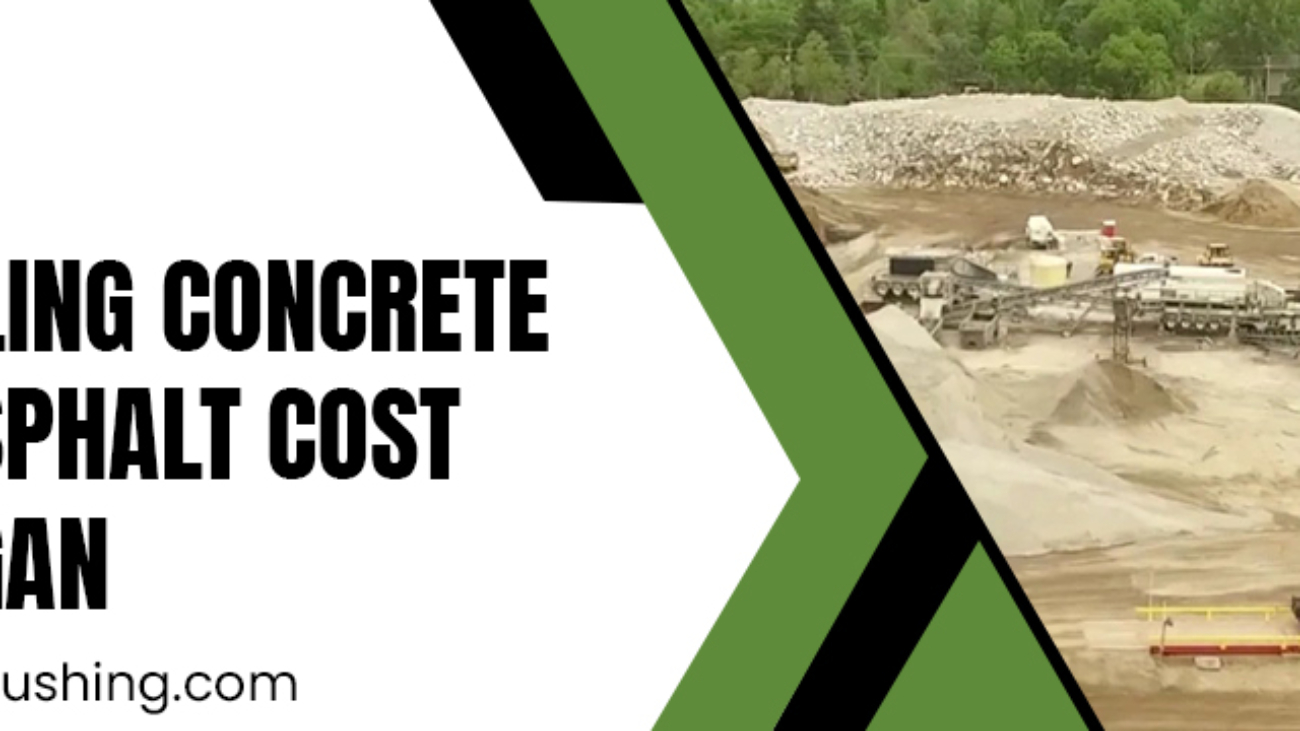
recycling concrete and asphalt cost michigan

Why Recycling Concrete and Asphalt Cost Michigan Matters for Sustainability

Construction shapes Michigan’s growth, yet material choices define its environmental future. Sustainable practices now influence every responsible project decision. Recycling concrete and asphalt cost Michigan plays a critical role in balancing budgets with environmental responsibility. At the same time, demand for sustainable building materials Michigan continues to rise across residential and commercial developments. Builders now seek solutions that reduce waste, conserve resources, and support long term sustainability goals. Therefore, understanding recycled material value matters more than ever.

The Environmental Impact of Construction Waste

Construction creates large volumes of debris every year. Concrete and asphalt often end up in landfills unnecessarily. Recycling reduces this waste significantly. Recycling concrete and asphalt cost Michigan directly influences how often builders choose reuse over disposal. Moreover, recycling limits land degradation and lowers carbon emissions associated with raw material extraction.

Cost Efficiency Supports Sustainable Choices

Sustainability thrives when affordability supports action. Recycling reduces transportation and disposal expenses. As a result, recycling concrete and asphalt cost becomes attractive for budget-conscious projects. Lower costs encourage wider adoption of recycled materials. Consequently, sustainable construction practices gain momentum statewide.

Strength and Reliability of Recycled Materials

Recycled concrete and asphalt deliver proven durability. Proper processing ensures consistent quality and performance. Many projects now rely on sustainable building materials for structural applications. These materials meet industry standards while supporting eco-conscious goals. Therefore, sustainability no longer requires performance compromises.

Resource Conservation Strengthens Michigan Infrastructure

Natural aggregates remain finite resources. Recycling preserves these materials for future generations. Recycling concrete and asphalt cost supports resource conservation across the state. Additionally, recycled aggregates reduce demand for quarrying. This approach protects landscapes and ecosystems over time.
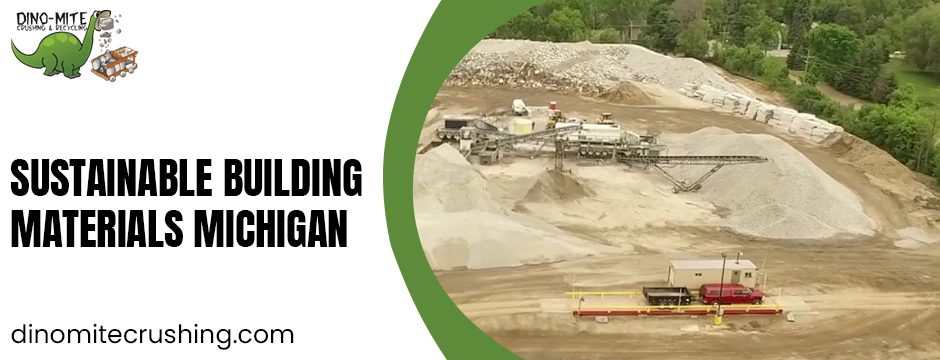
Sustainable building materials Michigan

Supporting a Circular Construction Economy

Recycling transforms waste into value. Old concrete becomes new foundations. Asphalt returns to roadways with renewed purpose. Sustainable building materials Michigan enable this circular economy. Consequently, Michigan’s construction sector grows responsibly. Material production releases significant emissions. Recycling reduces energy consumption during manufacturing. Recycling concrete and asphalt costs in Michigan align with emission reduction goals. Therefore, recycling contributes directly to environmental well-being.

Meeting Modern Construction Standards

Green building standards continue evolving. Developers must meet sustainability benchmarks to stay competitive. Sustainable building materials help projects achieve certification goals. Recycled aggregates support compliance without inflating budgets. This balance benefits developers and communities alike.

Efficient Logistics Improves Project Timelines

Recycled materials often come from local sources. Shorter transport distances reduce delays and costs. Recycling concrete and asphalt cost Michigan reflects these logistical efficiencies. Faster material access keeps projects on schedule. Moreover, local recycling supports regional economies.

Waste Reduction Benefits Communities

Landfills strain community resources and space. Recycling diverts heavy debris from disposal sites. Waste management service in Michigan plays a key role in organized recycling efforts. Cleaner communities result from responsible construction practices. Residents benefit from reduced environmental impact.

Economic Growth Through Sustainable Practices

Recycling creates jobs and supports local businesses. Processing facilities, logistics teams, and suppliers all benefit. Recycling concrete and asphalt cost contributes to economic sustainability. This approach strengthens Michigan’s construction workforce and industry resilience.

Long Term Savings for Builders

Initial material costs influence project decisions. However, lifecycle savings matter more. Recycled materials reduce maintenance and replacement needs. Sustainable building materials support durable construction outcomes. Over time, builders save money while protecting the environment.

Innovation Drives Sustainable Construction

Technology continues improving recycling processes. Advanced crushing and screening enhance material quality. Sustainable construction materials evolve alongside innovation. Builders now trust recycled products for demanding applications. Innovation ensures sustainability remains practical and profitable.
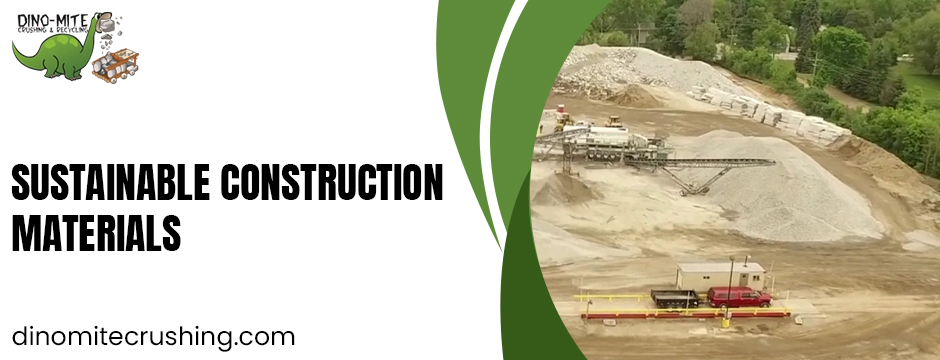
sustainable construction materials

Climate challenges demand immediate action. Recycling concrete and asphalt cost represents responsible decision making. Builders who choose recycling contribute to a healthier future. Sustainability today shapes tomorrow’s infrastructure.

Building Trust Through Responsible Sourcing

Clients value transparency and ethics. Sustainable sourcing builds trust and credibility. Sustainable building materials Michigan demonstrate commitment to environmental responsibility. This trust strengthens client relationships and brand reputation.

Where Sustainable Supply Meets Expertise

At the foundation of responsible construction stands Dino-Mite Crushing. We focus on quality, consistency, and sustainability. Our team supports builders with reliable recycled materials and expert guidance. At Dino-Mite Crushing, we believe our commitment to sustainable supply strengthens Michigan’s construction future.

Final Thought

Sustainability in construction begins with informed material choices. Recycling concrete and asphalt transforms waste into opportunity. Recycling concrete and asphalt cost Michigan influences how often builders choose responsible solutions over disposal. Affordable recycling encourages wider adoption across projects. Moreover, recycled materials protect natural resources and reduce environmental impact. Builders gain durability, cost efficiency, and environmental credibility. Communities benefit from cleaner surroundings and reduced landfill pressure. Over time, sustainable practices strengthen Michigan’s infrastructure and economy. Choosing sustainable building materials Michigan reflects a commitment to long-term growth and environmental care. When construction aligns with sustainability, progress becomes responsible. Thoughtful recycling decisions today help create stronger, greener communities for future generations.

FAQs

1. Why does recycling concrete and asphalt matter for sustainability?

Recycling reduces landfill waste and preserves natural resources. It lowers emissions from material production and transportation. Moreover, recycled materials support eco friendly construction without sacrificing strength. This approach helps communities protect land and air quality while supporting responsible development.

2. How does recycling concrete and asphalt reduce construction costs?

Recycling minimizes disposal fees and material transportation expenses. Locally sourced recycled aggregates often cost less than virgin materials. As a result, builders control budgets better while meeting sustainability goals. Long-term savings also come from durable performance.

3. Are recycled construction materials reliable for major projects?

Yes, recycled materials undergo processing and quality checks. Many infrastructure and commercial projects successfully use recycled concrete and asphalt.
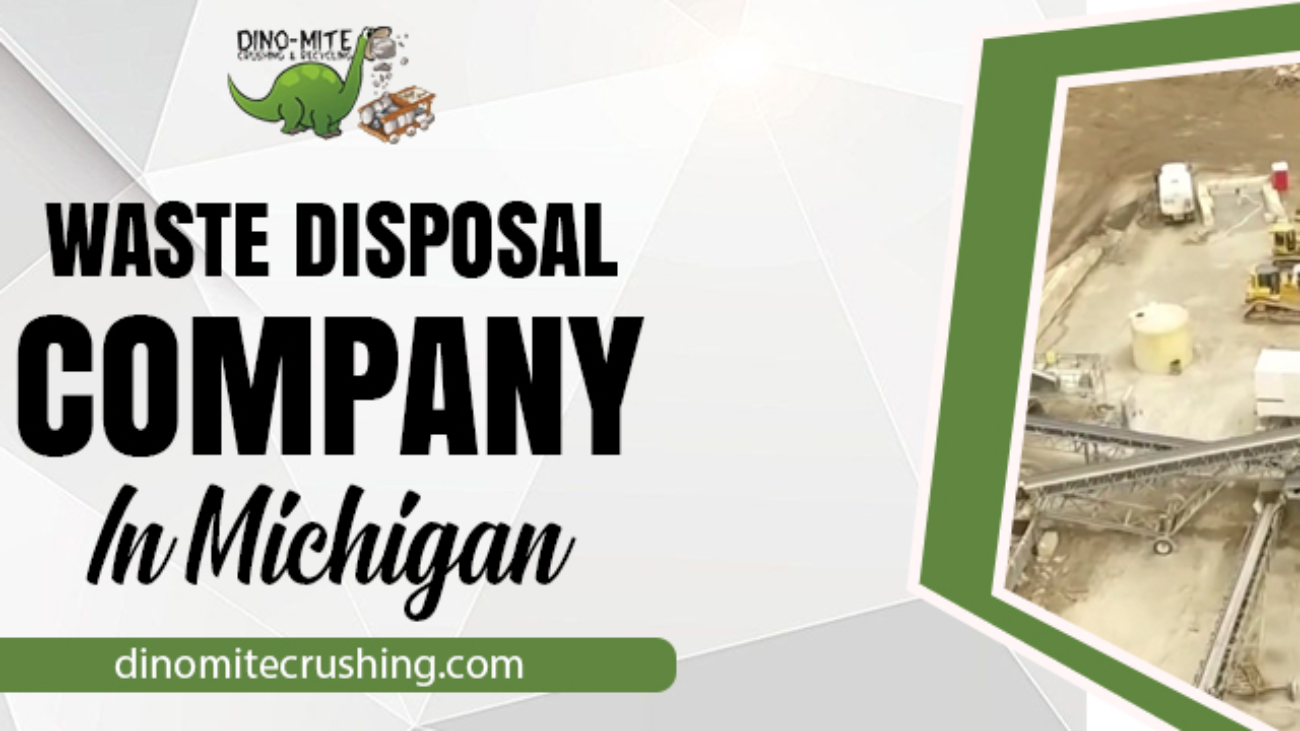
waste disposal company in michigan

Home Waste Reduction Tips Inspired by Michigan Zero-Waste Movers

Walk through any Michigan neighborhood on trash day and you will notice something interesting. Some homes have overflowing bins every week. Others barely set out a single container. The difference is not income or house size. It is mindset.

Across Michigan, a growing group of homeowners, builders, and local businesses are quietly changing how they think about waste. They are not chasing perfection or trendy labels. They are simply making smarter choices that reduce clutter, cut disposal costs, and protect local land and water.

At Dino-Mite Crushing, we work closely with contractors, renovators, and homeowners who care about what happens after materials leave their property. As a trusted waste disposal company in Michigan, we have seen firsthand how small changes at home can create a big impact. The best part is that these habits are practical and easy to maintain.

If you are looking for realistic ways to reduce household waste without turning your life upside down, these tips are inspired by Michigan residents who are already doing it right.

Why Waste Reduction Matters More in Michigan Than You Think

Michigan is defined by its lakes, forests, and working communities. Waste does not disappear when the truck drives away. It ends up in landfills, processing facilities, or recycling centers that sit right here in our state.

Landfill space is limited. Disposal costs continue to rise. Communities are tightening regulations around dumping and construction debris. Homeowners who ignore waste reduction often pay more over time, whether through hauling fees, renovation costs, or local penalties.

Reducing waste at home is not about guilt. It is about control. Control over clutter. Control over costs. Control over how your household impacts the place you live.

Tip One: Start With the Trash You Create Most Often

Zero-waste movers in Michigan do not begin by buying fancy containers or tracking every banana peel. They start by noticing patterns.

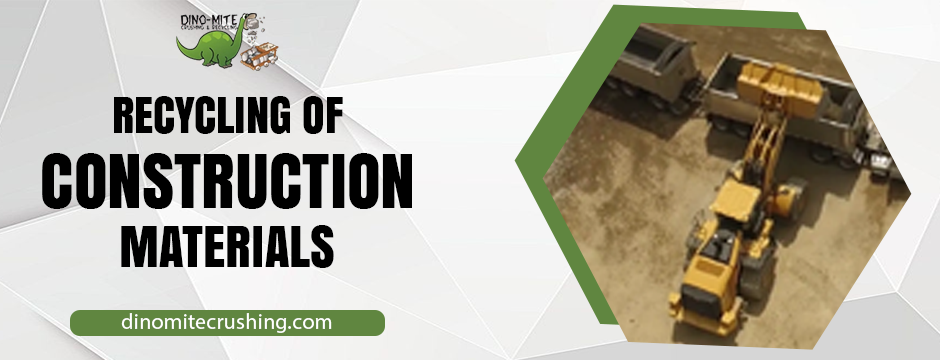
recycling of construction materials

Take one week and pay attention to what fills your trash bin fastest. In most homes, it is a mix of packaging, food waste, and renovation leftovers.

Once you see the pattern, decisions become easier. Bulk buying reduces packaging. Simple meal planning cuts food waste. Responsible handling of home improvement debris prevents unnecessary dumping.

Waste reduction starts with awareness, not rules.

Tip Two: Make Recycling Simple and Visible

Recycling works best when it is easy. Michigan households that recycle consistently keep bins in places where waste naturally happens. Kitchens, garages, and basements are common problem spots.

Label bins clearly. Do not rely on memory. Keep instructions nearby so guests and kids know what goes where. When recycling feels complicated, people stop doing it.

For larger projects, especially home upgrades, proper recycling of construction materials becomes critical. Concrete, asphalt, brick, and certain metals can often be processed instead of dumped. Homeowners who work with experienced providers avoid costly mistakes and keep usable material out of landfills.

Tip Three: Rethink Home Renovation Waste Before You Start

Renovation waste is one of the biggest contributors to landfill overload in Michigan. What most homeowners do not realize is that much of this material can be managed responsibly with the right plan.

Before demolition begins, take inventory of what will be removed. Concrete slabs, old driveways, brick walls, and clean fill can often be crushed and reused.

Working with professionals who understand material recovery helps you save money while reducing waste. Many smart renovators pair disposal planning with construction equipment rental so materials are handled efficiently from start to finish.

This approach minimizes trips, cuts hauling costs, and keeps your project compliant with local standards.

Tip Four: Compost What Michigan Soil Can Give Back

Michigan soil is rich for a reason. Food scraps, yard clippings, and leaves do not belong in the trash when they can return nutrients to the ground.

Even small yards can benefit from basic composting. You do not need a complex system. A simple bin or designated pile works for many households.

Zero-waste movers focus on consistency over perfection. They compost what they can and adjust as seasons change. The result is less trash, healthier soil, and fewer bags heading to the curb.

Tip Five: Buy With Disposal in Mind

One habit that separates waste-conscious households from the rest is how they shop. Michigan residents who reduce waste long-term think about disposal before they buy.

They choose durable items instead of disposable ones. They avoid products with excessive packaging. They consider whether something can be repaired, donated, or recycled later.

This mindset matters most for larger purchases like furniture, appliances, and building materials. When you know how something will be disposed of eventually, you make better choices upfront.

Tip Six: Partner With the Right Local Experts

Waste reduction does not mean doing everything yourself. In fact, the most effective households know when to bring in professionals.

construction equipment rental

A reliable waste disposal company in Michigan understands local regulations, material recovery options, and cost-saving strategies. Whether you are clearing out a garage or managing a major remodel, expert guidance prevents expensive errors.

At Dino-Mite Crushing, we work with homeowners who want smart solutions, not shortcuts. Crushing, recycling, and responsible handling of materials allow projects to move faster while keeping waste to a minimum.

Tip Seven: Teach Kids That Waste Has a Destination

Michigan families leading the zero-waste movement involve their children early. Kids are naturally curious and quick to learn routines.

Explain where trash goes. Show them recycling bins. Let them help compost or sort materials. These habits stick and reduce waste without constant reminders.

When waste reduction becomes part of family culture, it stops feeling like work.

Tip Eight: Reduce Waste From Seasonal Projects

Michigan seasons bring predictable waste spikes. Spring cleanouts, summer landscaping, fall leaf removal, and winter repairs all create debris.

Planning ahead makes a difference. Instead of multiple trips to dump sites, coordinate disposal once. Separate recyclable materials. Use crushing and processing services when available.

Seasonal planning saves time and keeps neighborhoods cleaner.

Tip Nine: Support Local Businesses That Reduce Waste

Zero-waste movers in Michigan pay attention to who they work with. They choose contractors, haulers, and service providers who value recycling and responsible disposal.

Supporting companies that prioritize material recovery strengthens local infrastructure and keeps waste management sustainable long-term.

It also sends a clear message that homeowners care about how projects are handled beyond the job site.

Tip Ten: Focus on Progress, Not Perfection

No Michigan household produces zero waste. The goal is not to eliminate trash entirely. The goal is to reduce what you can, when you can, in ways that make sense for your life.

Small changes add up. Fewer landfill trips. Lower disposal costs. Cleaner communities.

The most successful waste reduction stories are not dramatic. They are steady, practical, and sustainable.

How Dino-Mite Crushing Helps Michigan Homes Waste Less

At Dino-Mite Crushing, we believe waste reduction should be straightforward. Our work supports homeowners, contractors, and builders who want responsible solutions without unnecessary hassle.

By focusing on recycling of construction materials, efficient processing, and smart logistics, we help Michigan residents turn waste into opportunity. Whether it is concrete crushing, site cleanup, or guidance on handling materials correctly, our approach is built around long-term value.

Being a dependable waste disposal company in Michigan means more than hauling material away. It means helping communities manage resources wisely.

Final Thoughts

Waste reduction at home does not require extreme lifestyle changes. It starts with awareness, planning, and the right partnerships.

Michigan zero-waste movers are not chasing trends. They are making practical choices that protect their land, reduce costs, and support responsible local businesses.

If you are ready to rethink how waste is handled at your home or project site, Dino-Mite Crushing is here to help. Smart waste management today builds a cleaner Michigan tomorrow.

Frequently Asked Questions

1. Why is home waste reduction important in Michigan?

Michigan has limited landfill space and strict disposal regulations. Reducing household waste helps protect local land and water while lowering disposal and hauling costs.

2. What types of materials can be recycled during home renovations?

Common recyclable materials include concrete, asphalt, brick, clean fill, and certain metals. Proper recycling of construction materials prevents unnecessary landfill use.

3. How can homeowners reduce waste during remodeling projects?

Planning ahead, separating materials, and working with a waste disposal company in Michigan helps reduce debris, control costs, and stay compliant with local rules.

4. Do I need special equipment to manage renovation waste?

Larger projects often benefit from proper tools and planning. Coordinating waste handling with construction equipment rental can make material removal safer and more efficient.

5. How does Dino-Mite Crushing help homeowners reduce waste?

Dino-Mite Crushing provides responsible material processing, crushing, and recycling services that help Michigan homeowners manage waste efficiently and sustainably.